How to Prep Your Home for Fall Storm Season
Fall storm season in the Central Valley brings heavy rain, gusty winds, and sudden power outages that catch many homeowners off guard. Your electrical system takes the brunt of this weather, and small weaknesses that went unnoticed all summer can turn into serious hazards once the first storm rolls through. Preparing your home before the season starts is far cheaper than repairing storm damage after the fact. A little planning now protects your appliances, your electronics, and most importantly your family. Homes in Patterson, Modesto, Turlock, and surrounding areas see grid stress every fall as demand shifts and weather turns. Power surges, downed lines, and flooded outdoor circuits are the most common problems electricians respond to during this time of year. This guide walks you through the exact steps to get your home storm ready. Follow it now, and you will spend the season comfortable instead of scrambling in the dark.
Fall Storm Season Electrical Safety Checklist for Your Home
An electrical safety checklist gives you a clear plan before fall storms arrive. The goal is simple: find weak points in your system before the weather finds them for you. Start with the parts of your home most exposed to rain and wind, then work inward to your panel and your surge protection. Many storm season failures trace back to small issues like a cracked outdoor outlet cover or a corroded breaker that could have been fixed in an afternoon. Insurance claims for electrical storm damage often get complicated, so prevention is the smarter financial move. Set aside one weekend in early fall to run through the items below. If anything on the list looks beyond your comfort level, call a licensed electrician instead of guessing. Want a professional set of eyes on your system? Click here for our electrical inspection service.
Inspect Outdoor Outlets and Wiring Before Fall Storm Season
Outdoor outlets are the first casualties of fall storm season because they sit directly in the path of wind driven rain. Walk the exterior of your home and examine every outlet, checking for cracked covers, loose faceplates, and any signs of rust or corrosion inside the receptacle. Every exterior outlet should have a weatherproof cover rated for use while a cord is plugged in, not just a flip cap that only protects an empty outlet. Water intrusion into an exterior receptacle can trip breakers, damage the circuit, and in the worst cases start a fire inside your wall. Look closely at the caulking around each outlet box; gaps allow moisture to seep behind the siding where you cannot see it. Test each outdoor outlet with a plug in tester to confirm proper wiring and grounding. GFCI protection is required by code for all exterior outlets, and fall is the right time to confirm yours actually works. Press the test button, confirm the power cuts off, then press reset and verify power returns.
Exterior wiring deserves the same attention as the outlets it feeds. Follow any visible conduit or cable runs along your eaves, fences, and outbuildings, looking for sagging sections, cracked insulation, or connections that have pulled loose over the summer. UV exposure during hot Central Valley summers degrades wire insulation faster than most homeowners realize, and fall storms exploit every weak spot. Check the point where your service line attaches to the house, known as the weatherhead, and make sure it stands upright with no frayed cables. Tree branches rubbing against overhead lines are a leading cause of storm outages, so trim anything within ten feet of your service drop. Never trim branches touching the main utility lines yourself; call your utility company for that work. Low voltage landscape lighting wires should be buried or secured so flowing rainwater cannot expose them. Ten minutes of walking your property can reveal problems that would take out your power during the first big storm.
Detached structures need their own inspection before storm season hits. Garages, sheds, workshops, and gazebos often run on circuits installed years ago that have quietly deteriorated. Check the wiring entering each structure and confirm the connections remain sealed against moisture. Underground circuits feeding these buildings can fail when saturated fall soil shifts and stresses old conduit. If lights in your shed flicker or a garage outlet has stopped working, do not ignore it as a quirk; that is a symptom of a failing circuit. Extension cords are not a substitute for permanent wiring, and running them across a wet yard during storm season is genuinely dangerous. Any structure with water exposure, including pool equipment and hot tub hookups, must have functioning GFCI protection. Fixing these issues in October is easy; fixing them in a downpour in November is not.

Test GFCI Protection as Part of Fall Storm Season Prep
GFCI outlets are your primary defense against shock during fall storm season, and testing them takes less than a minute each. A ground fault circuit interrupter monitors the flow of electricity and shuts off power in a fraction of a second when it detects current leaking to ground, often through water or through a person. Storm season multiplies the ways water and electricity can meet, from wet garage floors to rain soaked patios. Locate every GFCI in your home, including bathrooms, kitchen counters, the garage, the laundry area, and all exterior outlets. Press the test button on each one; the power should cut off immediately with an audible click. Plug in a lamp or tester to confirm the outlet is truly dead, then press reset to restore power. A GFCI that fails to trip, or fails to reset, must be replaced before the storms arrive. These devices wear out over time, and manufacturers recommend monthly testing that almost nobody actually performs.
Older homes across Patterson, Ceres, and Oakdale frequently lack GFCI protection in areas where modern code requires it. Homes built before the 1980s may have none at all, while homes from the 1990s often protect bathrooms but skip the garage and exterior. Fall storm season is exactly when these gaps become dangerous, because wet conditions turn a minor wiring fault into a shock hazard. Upgrading standard outlets to GFCI outlets is one of the most affordable safety improvements available, and a licensed electrician can complete a whole home upgrade in a single visit. GFCI breakers installed at the panel are another option that protects the entire circuit rather than a single outlet. Any outlet within six feet of a water source should have this protection. If you are unsure what your home has, an electrician can map your protection in minutes. Need GFCI outlets installed before the storms hit? Click here for our GFCI outlet installation service.
Pay special attention to GFCI outlets that trip repeatedly during rainy weather. Frequent nuisance tripping is not actually a nuisance; it is the device telling you moisture is reaching somewhere it should not. Common culprits include water inside an exterior outlet box, a damaged underground circuit, or a failing appliance plugged into the protected circuit. Resetting the outlet over and over without finding the cause leaves the underlying hazard in place. Some homeowners respond by replacing the GFCI with a standard outlet, which removes the warning system entirely and creates real danger. The correct response is diagnosis, tracing the circuit to find where water is intruding. This is especially important for circuits feeding pool pumps, fountains, and outdoor kitchens. Storm season will stress these circuits harder than any other time of year, so resolve the tripping now.
Schedule a Panel Checkup Before Fall Storm Season Begins
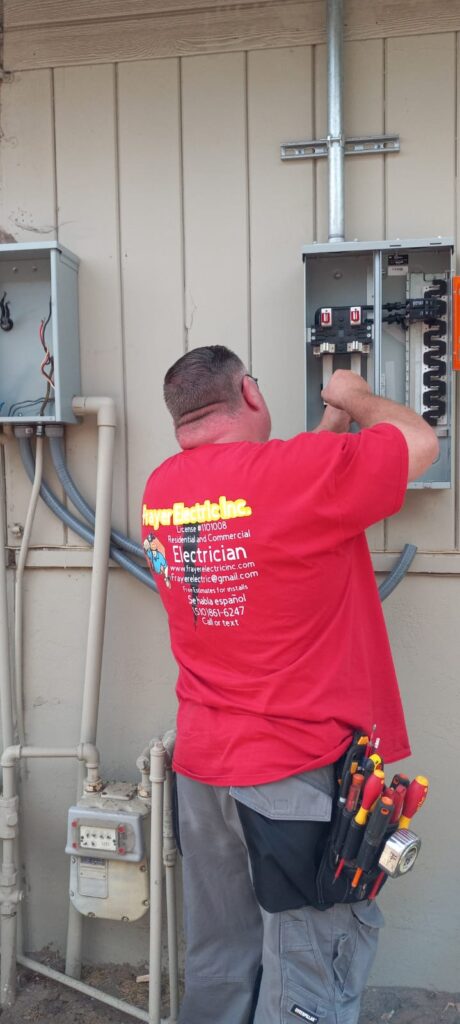
Your electrical panel is the heart of your home electrical system, and fall storm season puts it under real stress. Every surge, outage, and restoration cycle forces breakers to do their job, and worn breakers do that job poorly. Open your panel door and look for warning signs: rust streaks, scorch marks, a burning smell, or breakers that feel hot to the touch. Corrosion inside a panel often comes from roof leaks or condensation that homeowners never noticed. Listen for buzzing or crackling sounds, which indicate loose connections arcing inside the panel. Any of these symptoms means you should stop and call a professional rather than investigate further yourself. Panels contain live components that can deliver a fatal shock even with the main breaker off. A licensed electrician can perform a full panel checkup, tightening connections, testing breakers, and thermal scanning for hidden hot spots.
Aging panels deserve extra scrutiny before storm season arrives. Panels over 25 years old, and certain known problem brands like Federal Pacific and Zinsco, have documented failure rates that get worse under storm conditions. A breaker that fails to trip during a fault does not protect your wiring; it lets the wire overheat inside your walls. Storm surges and repeated outage cycles are exactly the conditions that expose these weaknesses. If your home still runs on a 100 amp service while powering modern HVAC, an EV charger, and a kitchen full of appliances, the panel may already be running near capacity. Overloaded panels trip more during storms and recover less reliably afterward. An upgrade to a modern 200 amp panel adds capacity, improves safety, and creates room for future additions like generator hookups. Fall is the ideal season to schedule this work, before winter demand and holiday loads arrive.
Labeling and accessibility matter more during storms than any other time. When the power goes out at 11 PM in driving rain, you need to identify the right breaker fast, not play a guessing game with a flashlight in your teeth. Take an afternoon to map every circuit and write clear labels inside the panel door. Test your main breaker location so every adult in the house knows how to shut off power in an emergency. Clear at least three feet of working space in front of the panel; storage boxes stacked against it slow you down when seconds matter. Keep a working flashlight mounted near the panel, because the light you normally use will be out too. Photograph your labeled panel and save the image to your phone for reference. These small steps cost nothing and make every storm event easier to manage.
Whole House Surge Protection and Backup Power for Fall Storms
Surge protection and backup power are the two upgrades that matter most once fall storms actually arrive. A checklist prevents existing problems, but surges and outages are external threats your home needs dedicated equipment to handle. Lightning, downed lines, and grid switching all send voltage spikes through your wiring that can destroy everything plugged in. The average home contains tens of thousands of dollars in electronics, appliances, and HVAC equipment, all of it vulnerable. Outages carry their own costs, from spoiled food to lost work hours to medical equipment going dark. Central Valley outages during fall storms can stretch from hours into days when crews are overwhelmed. The right protection turns a regional emergency into a minor inconvenience at your house. The sections below cover exactly what to install and why.
Why Whole House Surge Protection Matters During Fall Storm Season
Whole house surge protection defends every circuit in your home from voltage spikes, and fall storm season is when those spikes come fastest. A surge protective device installs at your electrical panel and intercepts excess voltage before it travels into your branch circuits. Lightning does not need to strike your house to cause damage; a strike on a line a mile away can push a destructive spike through the grid and into your home. Utility grid switching during storm response creates smaller surges that accumulate damage over time. Power restoration after an outage is itself a surge event, and that spike hits every device left plugged in. Modern homes are more vulnerable than older ones because nearly everything now contains sensitive circuit boards, from refrigerators to garage door openers to LED lighting. A single unprotected surge can wipe out an HVAC control board that costs more to replace than the surge protector itself. Panel mounted protection is a one time installation that works silently for years.
Power strips alone cannot protect your home the way panel level protection does. A plug in strip only shields the devices connected to it, leaving your hardwired equipment completely exposed. Your air conditioner, water heater, oven, dishwasher, and ceiling fans all connect directly to circuits with no strip in the path. Cheap strips also degrade with every surge they absorb, and most give no indication when their protection is spent. The best approach is layered: a whole house device at the panel handles the big spikes, and quality point of use protectors guard sensitive electronics like computers and televisions. This two layer strategy is what electricians install in their own homes. Surge protectors have joule ratings and clamping voltages that determine their capability, and a licensed electrician can size the right device for your service. Installation at the panel takes only a few hours. Ready to protect every circuit before the first storm? Click here for our whole house surge protection service.
Grounding is the foundation that makes any surge protection work. A surge protector functions by diverting excess voltage to ground, so a weak or corroded grounding system leaves even the best device unable to do its job. Many older Central Valley homes have grounding electrodes that have deteriorated underground where nobody can see them. Some homes rely on old water pipe grounds that were interrupted when plastic plumbing sections were installed during repairs. An electrician can test your grounding system resistance and confirm it meets current standards before installing surge protection. Bonding between your electrical system, gas piping, and communication lines also matters, because surges seek every available path. Proper grounding protects against shock hazards year round, not just during storms. Think of it this way: surge protection is the goalkeeper, and grounding is the goal it defends.
Backup Generator Readiness for Fall Storm Season Power Outages
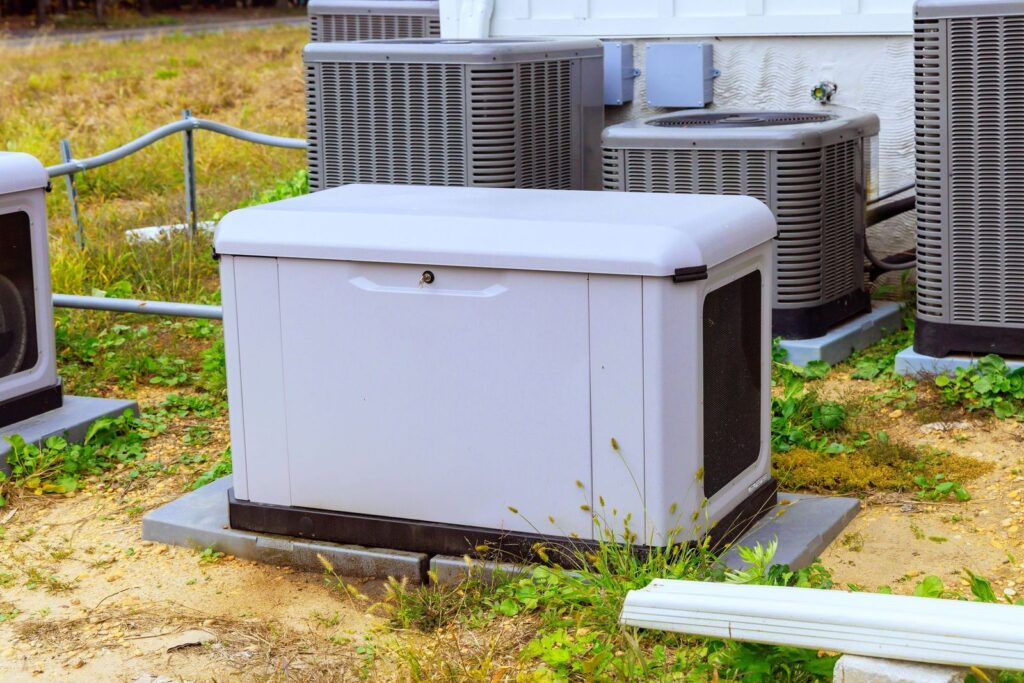
A backup generator turns a multi day outage into a manageable event, but only if it is ready before the storm arrives. Fall is the time to service your portable generator, not the night the lights go out. Start by running the unit for twenty minutes under load to confirm it starts easily and holds steady power. Change the oil if it has been sitting since last season, and inspect the spark plug and air filter. Stale fuel is the number one reason generators fail to start; drain old gasoline and refill with fresh fuel treated with stabilizer. Check that you have enough fuel stored safely to run through at least two days of outage. Inspect your heavy duty extension cords for cracked insulation and damaged plugs. Test the generator with the actual appliances you plan to power, because refrigerators and pumps draw far more at startup than their running rating suggests.
Safe generator operation matters as much as generator readiness. Carbon monoxide from generators kills people every storm season, and the deaths are entirely preventable. Run your generator outdoors only, at least twenty feet from the house, with the exhaust pointed away from windows, doors, and vents. Never run a generator in a garage, even with the door open; carbon monoxide accumulates faster than ventilation can clear it. Install battery powered carbon monoxide alarms on every level of your home and test them this fall. Keep the generator dry under a canopy or purpose built cover, because operating electrical equipment in rain creates shock risk. Let the unit cool before refueling, since gasoline spilled on a hot engine can ignite. Plan your cord routing in advance so you are not improvising through a cracked window during a downpour.
The single most important generator upgrade is a properly installed transfer switch or generator inlet. Backfeeding a generator through a dryer outlet is illegal and lethal; it energizes the utility lines outside your home and can electrocute the lineworkers trying to restore your power. A manual transfer switch installed by a licensed electrician lets you power selected circuits safely through your panel. This means your furnace fan, refrigerator, well pump, and key lighting run normally without extension cords snaking through the house. An interlock kit is a budget friendly alternative that accomplishes the same safety goal. Sizing matters too, and an electrician can calculate which circuits your generator can realistically carry. Homes that lose power frequently may benefit from a standby generator that starts automatically. Want your generator connected safely before storm season? Click here for our portable generator service.
Emergency Lighting and Outage Planning for Fall Storm Season
Emergency lighting planning keeps your household safe and calm when fall storms knock out power after dark. Outages during fall hit during longer nights, which means more hours navigating your home in darkness. Stock at least one reliable flashlight per family member, plus spare batteries stored in a known location. LED lanterns are safer and far more effective than candles, which cause house fires every storm season. Plug in rechargeable nightlights that switch on automatically during an outage are inexpensive and brilliant for hallways, stairs, and bathrooms. Keep one flashlight mounted beside your electrical panel and another in the kitchen. Test everything now, because dead batteries discovered during an outage help nobody. Charge portable power banks for phones before every forecasted storm so you can reach family and monitor utility updates.
A written outage plan removes panic from the equation. Decide in advance which foods you will eat first, and know that a closed refrigerator holds safe temperatures for about four hours while a full freezer holds for about 48. Fill a few jugs of water if your home relies on a well pump, since no power means no water. Write down your utility outage reporting number and keep a paper copy, because your phone battery is a finite resource. Identify neighbors who may need help, especially seniors and anyone dependent on powered medical equipment. Unplug sensitive electronics during the outage so the restoration surge cannot damage them. Leave one lamp switched on so you know the moment power returns. Review the plan with every member of the household before the season starts.
Know the difference between an outage you wait through and an electrical emergency that demands immediate professional help. A neighborhood wide blackout is a utility problem; a burning smell, smoking outlet, or sparking panel inside your home is not. Buzzing from your panel, breakers that will not reset, or partial power where some rooms work and others do not all indicate a problem inside your system. A downed line in your yard requires you to stay far away and call the utility and 911, never approach it. If floodwater reaches your outlets or panel, do not enter the standing water; energized water is invisible danger. After any storm damage, have your system inspected before assuming everything is fine. Frayer Electric answers emergency calls around the clock during storm season. Facing an electrical emergency right now? Click here for our 24/7 emergency electrician service.
Why You Need a Licensed Electrician for Fall Storm Preparation
Storm preparation involves your panel, your grounding system, and circuits that carry lethal voltage, and this is not the place for guesswork. A licensed electrician brings training, testing equipment, and code knowledge that no online tutorial can replace. Professional storm prep also creates documentation that protects you with your insurance company if damage occurs later. DIY electrical mistakes are a leading cause of house fires, and the mistakes often hide in walls for years before igniting. The cost of one professional visit is small compared to the cost of one avoidable failure. Central Valley homeowners who prepare in early fall get scheduling flexibility that disappears once the first storm hits and phones start ringing.
Professional Fall Storm Season Electrical Inspections Catch Hidden Problems
A professional electrical inspection finds the problems a homeowner walkthrough cannot. Electricians use thermal imaging to spot overheating connections behind panel covers and inside junction boxes. They test grounding resistance with meters that measure what your eyes never could. Voltage drop testing reveals circuits with loose or corroded connections before those connections fail under storm load. Every one of these hidden issues gets worse under the stress of surges and outage cycles. Catching them in October costs a service call; catching them in December costs an emergency repair.
Inspections also verify that past work in your home was done correctly. Many homes carry wiring from previous owners, handyman shortcuts, and additions that never saw a permit. These unknowns are exactly where storm failures originate, because improper connections cannot handle fault conditions. An electrician traces circuits, checks box fill, and confirms wire gauges match their breakers. The inspection report gives you a prioritized list instead of vague worry. You fix what actually matters first, on your budget and your schedule.
Documentation from a licensed inspection carries real weight. Insurance companies respond better to claims backed by professional maintenance records. Home sales move faster when you can show a recent clean inspection. Older homes in Patterson, Newman, Gustine, and across the Valley benefit most, since aging systems fail without warning. An annual inspection each fall builds a record of your system health over time. It is the cheapest insurance your electrical system will ever have.
Fall Storm Season Repairs and Upgrades Done Right the First Time
Storm prep repairs done correctly hold up when the weather hits; repairs done poorly fail at the worst possible moment. Licensed electricians pull permits where required, follow the National Electrical Code, and use materials rated for the application. A weatherproof cover installed wrong still leaks; a GFCI wired backward still shocks. Professionals test every repair under load before leaving. That verification step is what separates real protection from the appearance of it. Frayer Electric stands behind every repair with workmanship you can rely on.
Upgrades sized and installed by a professional deliver full value. A surge protector matched to your service rating, a transfer switch sized to your generator, and a panel upgrade planned for your actual loads all require calculations, not guesses. Undersized equipment fails; oversized equipment wastes money. An electrician evaluates your whole system so each upgrade works with everything else. You get one coordinated plan instead of a pile of disconnected purchases. The result is a home that rides out storms instead of suffering through them.
Timing your work before storm season also means better scheduling and no emergency pricing. Early fall appointments are easy to book and completed without weather pressure. Once storms arrive, every electrician in the Valley is running emergency calls, and routine upgrades wait weeks. Materials are on hand now; supply gets tight after a major weather event. Preparation is always cheaper than reaction. Book your storm prep in early fall and skip the rush entirely.
Why Choose Frayer Electric for Fall Storm Season Preparation
Frayer Electric is locally owned and operated, serving Patterson and the surrounding Central Valley with integrity. We live where you live, and we know exactly how fall storms hit this region. Our team is fully licensed and insured, so every job meets code and every homeowner is protected. We provide straightforward quotes with no hidden fees, before any work begins. You approve the price, then we do the work. That is how business should operate.
We are committed to getting it done right every time, and storm preparation is where that commitment matters most. Our electricians handle everything on your storm readiness list, from whole house surge protection to generator hookups to full electrical inspections. We take the time to explain what your system needs and what can safely wait. No pressure, no upselling, just honest recommendations from professionals who care. Veteran, senior, and first responder discounts are available on our services. Your trust is earned one job at a time.
When storms do hit, Frayer Electric answers with 24/7 emergency service. A live call at 2 AM gets a real response, not a voicemail. We serve Patterson, Modesto, Turlock, Tracy, Manteca, Merced, and communities across the Central Valley. One call handles your prep now and your emergencies later. Reach us at (209) 961-3867 or info@frayerelectricinc.com to schedule your fall storm preparation. Get ready before the season does it for you.