
How to Add Outdoor Outlets the Safe Way
Summer is the season when outdoor outlets earn their keep in the Central Valley. Homeowners are running pool pumps, plugging in patio fans, powering string lights, and charging yard tools all season long. Adding an outdoor outlet sounds simple, but electricity and weather are a risky combination when the work is done wrong. Water, dust, and triple digit Patterson heat all put stress on exterior wiring and devices. The National Electrical Code has strict rules for outdoor receptacles, and those rules exist because outdoor shock hazards are real. A safe installation requires the right outlet type, the right protection, and the right wiring method. This guide walks you through how to add outdoor outlets the safe way, from planning the circuit to protecting the finished outlet from rain and sprinklers. When you understand what a code compliant installation looks like, you can make smart decisions for your home and know when to call a professional.
Planning a Safe Outdoor Outlet Installation
Every safe outdoor outlet installation starts with a plan, not a drill. You need to decide where the outlet will go, what it will power, and which circuit will feed it before you touch a single wire. Location matters because code requires outdoor receptacles to be readily accessible and mounted at a safe height above grade. Load matters because a pool pump, a hot tub, or a large air compressor can overload a circuit that already serves indoor rooms. The wiring path matters because exterior walls, stucco, and underground runs each demand specific materials and methods. Skipping the planning stage is how homeowners end up with tripping breakers, corroded outlets, and failed inspections. A little homework up front saves money and prevents hazards later. Here is what proper outdoor outlet installation planning involves.
Choosing the Right Location for an Outdoor Outlet Installation
Location is the first decision in any outdoor outlet installation, and it affects both safety and convenience. The National Electrical Code requires at least one receptacle at the front and back of most homes, mounted no more than six feet six inches above grade. Placing outlets near patios, decks, and grilling areas keeps extension cords short, and short cords mean fewer trip hazards and less voltage drop. You should avoid locations directly in the path of sprinklers, roof runoff, or pooling water. Mounting the outlet at least a foot above the ground protects it from splashback and landscaping equipment. Think about future needs too, like holiday lighting, an electric smoker, or a future EV charger location. Outlets installed behind shrubs or in tight corners become useless because nobody wants to fight thorns to plug in a trimmer. A well placed outlet gets used safely for decades.
Sun exposure is another factor that Central Valley homeowners often overlook during outdoor outlet installation. Patterson summers regularly push past 100 degrees, and direct afternoon sun can bake a plastic cover until it becomes brittle and cracks. A cracked cover lets in dust and moisture, which corrodes contacts and creates shock risk. Whenever possible, place outlets on north or east facing walls, under eaves, or beneath deck framing where they get shade. Shade also keeps the receptacle itself cooler, which extends the life of the internal contacts and the GFCI electronics. If a sunny wall is the only option, choose a heavy duty cover rated for UV exposure. Metal in use covers hold up far better than bargain plastic ones in our climate. Small choices like these determine how long your installation stays safe.
You also need to think about what is behind the wall before starting an outdoor outlet installation. The easiest installations tap into an interior outlet on the opposite side of the exterior wall, keeping the wire run short and simple. Before cutting, you must confirm the existing circuit has capacity for the new load and is not a dedicated circuit for an appliance. Drilling blindly through stucco or siding can hit plumbing, gas lines, or existing wiring, and each of those mistakes is expensive or dangerous. A stud finder and a careful inspection of the panel schedule help you map what is inside the wall. In older Patterson and Modesto homes, you might find aluminum wiring, ungrounded circuits, or brittle insulation that needs correction first. Those discoveries change the scope of the project significantly. This is often the point where a professional assessment pays for itself.
Sizing the Circuit for Your Outdoor Outlet Installation
Circuit sizing determines how much your new outlet can safely power, so it deserves real attention during outdoor outlet installation. A standard 15 amp circuit handles small loads like phone chargers, radios, and string lights without trouble. A 20 amp circuit with 12 gauge wire is the better choice for outdoor use because yard equipment draws serious current. Pressure washers, air compressors, and shop vacs can each pull 12 to 15 amps on their own. If you plug one of those into a shared 15 amp circuit that also feeds bedroom outlets, the breaker will trip constantly. Constant tripping is more than an annoyance; it is a sign the circuit is overloaded and the wiring is running hot. Heat degrades insulation over time and raises fire risk. Sizing the circuit correctly from the start avoids all of it.
Dedicated circuits are the gold standard for heavy outdoor loads, and they are required for certain equipment. Hot tubs, pool pumps, and many spa packages must have their own dedicated circuits with specific breaker sizes set by the manufacturer. Even for general use outlets, a dedicated 20 amp outdoor circuit gives you freedom to run power tools without dimming lights inside the house. Adding a dedicated circuit means running new wire from the panel, which requires an open breaker slot and enough panel capacity. Many older homes in the Central Valley have panels that are already maxed out. In those cases, an electrical panel upgrade becomes part of the project. It sounds like scope creep, but an overloaded panel is a genuine safety issue. Solving it properly protects every circuit in the house, not just the new one.
Voltage drop is the quiet problem that ruins long outdoor circuit runs, and smart outdoor outlet installation accounts for it. Electricity loses a little voltage over every foot of wire, and long runs to a detached shed, gazebo, or back fence can lose enough to matter. Motors are especially sensitive; a pool pump or compressor running on low voltage draws more current, runs hotter, and fails early. The fix is upsizing the wire gauge for long runs, such as using 10 gauge wire on a 20 amp circuit that travels more than 100 feet. Wire costs a bit more up front, but it protects the equipment plugged in at the far end. An electrician calculates voltage drop as a standard part of circuit design. DIY installers almost never do, and their far yard outlets underperform for years. Getting the math right the first time is the safe way.
Selecting Weather Rated Materials for Outdoor Outlet Installation
Materials separate a safe outdoor outlet installation from one that fails within a couple of seasons. Every receptacle installed outdoors must be weather resistant, marked with a WR stamp on the face. WR receptacles use corrosion resistant contacts and UV stabilized plastic that stand up to moisture, dust, and sunlight. Standard indoor outlets corrode quickly outside, and corroded contacts arc, overheat, and eventually fail. Tamper resistant shutters are also required, which protect curious kids from inserting objects into the slots. The receptacle is a small part of the total project cost, so this is no place to save five dollars. Buying the correct WR and TR rated device is the baseline for safety. Everything else builds on top of that foundation.
The cover is just as important as the outlet itself in any outdoor outlet installation. Code requires an in use cover, sometimes called a bubble cover, for outlets in wet locations. An in use cover keeps rain out even while a cord is plugged in, which matters for landscape lighting, fountains, and holiday displays that stay connected for weeks. Flat flip covers only protect the outlet when nothing is plugged in, so they fail the moment you leave a cord connected in the rain. Extra duty rated covers are the current code standard for wet locations and resist impact and UV damage. The gasket behind the cover seals the box against the wall, blocking wind driven rain and irrigation spray. Skipping the gasket or reusing a cracked one invites water straight into the electrical box. Water in the box is how outdoor outlets become shock hazards.
Boxes, conduit, and wire must all be rated for the environment they live in, and this is where outdoor outlet installation gets technical. Exterior boxes should be weatherproof rated, and any exposed wiring needs protection inside conduit approved for wet locations. Underground runs require either UF rated cable buried at proper depth or individual conductors pulled through buried conduit. Burial depth rules vary by wiring method, and getting them wrong means a shovel or a garden stake can find your wire later. All connections must stay inside accessible boxes; buried splices and taped connections in open air are code violations and fire risks. Stainless or corrosion resistant screws and fittings prevent rust streaks and seized hardware down the road. Every one of these details is invisible when the job is done. Their absence only shows up when something goes wrong.
GFCI Protection Requirements for Outdoor Outlets
GFCI protection is the single most important safety element of any outdoor outlet, and it is required by code with no exceptions for standard residential receptacles. A ground fault circuit interrupter monitors the current flowing out and back through the circuit. When it detects even a tiny imbalance, as small as five milliamps, it shuts the power off in a fraction of a second. That imbalance often means current is flowing through something it should not, like water or a human body. Outdoors, where wet hands meet power tools and sprinklers meet receptacles, GFCI protection prevents electrocutions every year. Installing an outdoor outlet without it is illegal and genuinely dangerous. Need GFCI outlets installed or tested? Click here for our GFCI outlet installation service. Here is what homeowners should understand about GFCI requirements outside.
Why Code Requires GFCI Protection for Outdoor Outlets
The code requirement for GFCI protection on outdoor outlets exists because of decades of documented shock injuries and deaths. Before GFCIs became standard, contact with a faulty tool or a wet extension cord routinely caused fatal electrocutions in backyards. Water dramatically lowers the body’s resistance, so a fault that might cause a small jolt indoors can be lethal on wet grass. The NEC first required GFCI protection for outdoor receptacles in the 1970s, and the requirements have expanded in every code cycle since. Today, all 125 volt receptacles installed outdoors at dwellings must have GFCI protection. That includes outlets on patios, in eaves for holiday lights, at pool equipment pads, and on detached structures. There are no grandfather clauses when new outlets are installed. New work must meet current code, period.
Understanding how a GFCI protects you makes the outdoor outlet requirement feel less like red tape and more like insurance. Normal current flows out on the hot conductor and returns on the neutral in equal amounts. If insulation fails inside a drill, or water bridges the contacts in a receptacle, some current escapes to ground. Your body can become that path to ground if you are touching the faulty equipment. The GFCI senses the mismatch between outgoing and returning current and trips within milliseconds, far faster than a standard breaker. Standard breakers only respond to large overloads and short circuits; they will not save you from a ground fault. That is why a GFCI is required even on circuits with a properly working breaker. The two devices protect against completely different failures.
GFCI protection for outdoor outlets can be provided in more than one way, and placement matters. A GFCI receptacle installed at the outdoor location protects itself and can protect additional outlets wired downstream from its load terminals. Alternatively, a GFCI breaker in the panel protects the entire circuit from end to end, including the wiring in the walls. A third option is a GFCI receptacle installed indoors upstream, feeding the outdoor outlets through its load side. Each method is code compliant when wired correctly, but each has tradeoffs in cost and convenience. An outdoor GFCI is easy to reset at the point of use, while a panel breaker keeps the electronics out of the weather. Miswiring the line and load terminals is a common DIY mistake that leaves outlets unprotected while appearing to work. Testing after installation is the only way to confirm real protection.

Testing and Maintaining GFCI Outdoor Outlets
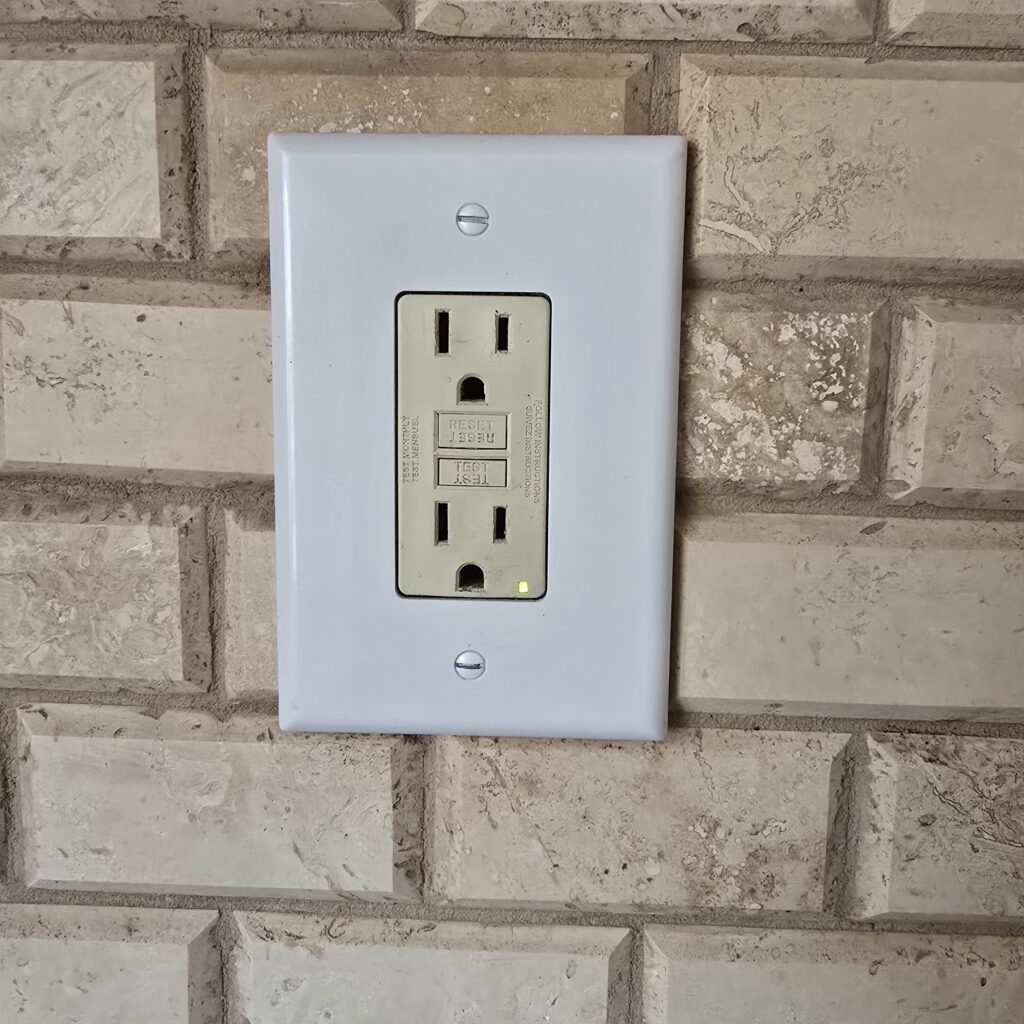
GFCI outdoor outlets need regular testing because their internal electronics can fail, especially in harsh outdoor conditions. Every GFCI has a test button and a reset button on its face for exactly this purpose. Pressing test should immediately kill power to the outlet; pressing reset should restore it. Manufacturers recommend testing monthly, and outdoor units deserve that schedule more than any indoor outlet. Heat, humidity, dust, and power surges all degrade the sensing circuitry over time. A failed GFCI often keeps passing power while providing zero protection, which is the worst possible failure mode. You cannot tell a dead GFCI from a working one just by plugging something in. Thirty seconds with the test button is the only reliable check a homeowner can perform.
Nuisance tripping is the most common complaint with GFCI outdoor outlets, and it usually has a real cause worth finding. Moisture inside the box, a cracked cover gasket, or a corroded receptacle can create small ground faults that trip the device. Long circuits with many devices accumulate tiny leakage currents that add up past the trip threshold. Damaged extension cords and old power tools with worn insulation are frequent culprits as well. Some homeowners respond to repeated tripping by swapping the GFCI for a standard outlet, which removes the symptom by removing the protection. That is a dangerous mistake that turns a warning sign into a hidden hazard. The right response is diagnosing why the GFCI trips. A tripping GFCI is doing its job and telling you something is leaking current.
Age and surge damage are the other maintenance realities for GFCI outdoor outlets in the Central Valley. GFCI receptacles typically last 10 to 15 years, and hot outdoor locations shorten that lifespan. Lightning, utility switching, and large motor loads send voltage spikes through home wiring that stress GFCI electronics. Modern GFCIs are self testing and will indicate failure with a light or by refusing to reset, but older units simply die silently. If your outdoor GFCI will not reset, trips instantly with nothing plugged in, or shows burn marks or a stuck button, replace it. Whole house surge protection at the panel shields GFCIs and every other sensitive device from spike damage. Replacing a worn GFCI costs little compared to what it protects. Treat these devices as consumable safety equipment, not permanent fixtures.
Common GFCI Mistakes in DIY Outdoor Outlet Projects
The most common DIY mistake with GFCI outdoor outlets is reversing the line and load terminals. Line terminals receive power from the panel; load terminals send protected power downstream to other outlets. Wire them backward and the GFCI may still deliver power while providing no ground fault protection at all. Modern GFCIs are designed to refuse power when miswired, but older stock and certain wiring errors can still slip through. Homeowners who never press the test button never discover the problem. Another frequent error is feeding an outdoor outlet from the load side of a GFCI that also serves a refrigerator or freezer indoors. When the outdoor circuit trips during a rainstorm, the freezer dies with it, and food spoils silently in the garage. Circuit layout deserves as much thought as the connections themselves.
Grounding errors are another hazard hiding in DIY outdoor outlet work. A GFCI will function without an equipment ground, and code allows GFCI protection as a replacement for grounding in specific retrofit situations with required labeling. Many DIY installers take that as permission to ignore grounding everywhere, which is wrong for new circuits. New outdoor circuits must include a proper equipment grounding conductor bonded correctly at the panel. Grounds also must never be connected to neutrals anywhere except the main service disconnect. Bootleg grounds, where someone jumps the neutral to the ground screw, create shock hazards that fool cheap plug in testers. Metal boxes and conduit outdoors must be bonded too, or the enclosure itself can become energized. These are exactly the invisible defects a licensed electrician is trained to catch.
Weatherproofing failures complete the list of common GFCI outdoor outlet mistakes. Installers reuse old flat covers instead of installing required in use covers, and the first rainy holiday season floods the device. Caulking is skipped around the box, so irrigation spray wicks behind the siding and into the wall cavity. Some DIYers mount boxes directly in low spots where water ponds after every storm. Others run indoor rated NM cable through exterior conduit, not realizing it is prohibited in wet locations because conduit outdoors is considered a wet environment. Each of these shortcuts eventually delivers water to live parts. Water plus electricity produces corrosion, tripping, arcing, and shock risk in that order. If your existing outdoor outlets trip constantly or show corrosion, get them evaluated. Want an expert to check your outdoor wiring? Click here for our electrical inspection service.
Why You Need a Professional for Outdoor Outlet Installation
Outdoor outlet installation touches nearly every part of the electrical code: circuit sizing, GFCI protection, grounding, weatherproofing, and sometimes trenching and panel work. A licensed electrician handles all of it in one visit and stands behind the result. Professional installation also means pulled permits where required, which protects you during home sales and insurance claims. The cost of hiring a pro is small compared to the cost of a fire, a shock injury, or ripped open stucco to fix hidden mistakes. Summer is peak season for outdoor power needs across Patterson, Modesto, Turlock, and the surrounding Central Valley. Getting the work done right now means a safe, convenient backyard for many summers to come.
The Safety Benefits of Professional Outdoor Outlet Installation
Professional outdoor outlet installation eliminates the guesswork that makes DIY electrical work risky. A licensed electrician verifies circuit capacity at the panel before adding any load. Every connection is torqued properly, every ground is bonded correctly, and every GFCI is tested after installation. Professionals carry the meters and testers needed to confirm protection is actually working, not just assumed. They also recognize hidden problems like aluminum branch wiring, double tapped breakers, and deteriorated insulation in older Central Valley homes. Catching those issues during a small project prevents much bigger emergencies later.
Code compliance is a safety benefit, not paperwork, and professional outdoor outlet installation guarantees it. The NEC updates every three years, and requirements for outdoor receptacles, covers, and GFCI protection have tightened repeatedly. Licensed electricians train on current code and know the local amendments enforced by Stanislaus, San Joaquin, and Merced county inspectors. Permitted work gets inspected by a third party, adding another layer of verification. Unpermitted electrical work can void insurance coverage after a fire and complicate any future home sale. Doing it by the book protects your family and your investment at the same time.
Professional installation also protects everything you plug in outdoors. Correct wire sizing prevents voltage drop that burns out pump motors and power tools. Proper GFCI and surge coordination keeps sensitive equipment like smart irrigation controllers and outdoor TVs alive. Weatherproof terminations keep moisture off contacts, so outlets deliver full power without arcing. A professionally installed circuit simply works, season after season, without tripping mysteries. That reliability is worth as much as the safety.
How Professional Outdoor Outlet Installation Saves Money
Professional outdoor outlet installation saves money by preventing expensive failures before they start. An overloaded or corroded outdoor outlet can arc inside the wall, and electrical fires cause tens of thousands of dollars in damage on average. Water intrusion from a badly sealed box rots framing and invites mold remediation costs. Redoing failed DIY work costs more than doing it right once, because demolition and repair get added to the bill. Insurance companies can deny claims tied to unpermitted electrical work. One clean professional installation avoids that entire chain of expenses.
There are efficiency savings too, and they add up over years of use. Correctly sized circuits run cooler and waste less energy as heat in undersized wires. Tools and equipment fed with full voltage draw less current and last longer, delaying replacement costs. A dedicated outdoor circuit also stops nuisance breaker trips that interrupt work and shorten breaker life. Bundling projects saves money as well; adding outdoor lighting or a hot tub circuit during the same visit shares trip charges and trenching costs. Planning outdoor lighting this summer? Click here for our outdoor lighting installation service.
Time is the final saving, and it matters more than most homeowners expect. A licensed electrician completes a typical outdoor outlet installation in a few hours, including testing and cleanup. The same project consumes a DIY weekend, plus multiple hardware store trips for parts you did not know you needed. Permits, when required, move faster when a contractor who knows the local process handles them. Your summer weekends go back to barbecues and pool time instead of fighting stucco and fishing wire. That trade alone justifies the service call for most families.
Why Choose Frayer Electric for Outdoor Outlet Installation
Frayer Electric is locally owned and operated in Patterson, and we serve the entire Central Valley with integrity. We are licensed and insured, so every outdoor outlet installation we perform meets California code and carries real accountability. Our team gives straightforward quotes with no hidden fees, meaning the price we state is the price you pay. We offer veteran, senior, and first responder discounts because we value the people who serve our community. We are committed to getting it done right every time, and our work reflects that standard. From a single patio outlet to a full backyard power plan, we treat every job with the same care.
Our service area covers Patterson and the surrounding communities, including Modesto, Turlock, Tracy, Manteca, Ceres, Los Banos, Newman, and beyond. We know Central Valley homes, from older neighborhoods with aging panels to new construction with modern demands. Our electricians handle GFCI outlet installation, outdoor lighting, underground circuits, hot tub wiring, and pool wiring under one roof. That range means your outdoor project gets planned as a whole, not patched together piece by piece. We show up on time, communicate clearly, and leave the work site clean. Local ownership means our reputation lives in the same neighborhoods we serve.
Electrical problems do not keep business hours, so Frayer Electric offers 24/7 emergency service. If an outdoor outlet sparks, smokes, or trips your main breaker on a Saturday night, we answer the call. For planned projects, we schedule around your summer, not the other way around. Call us at (209) 961-3867 or email info@frayerelectricinc.com to get your straightforward quote. Visit us at 432 Peregrine Dr, Patterson, CA 95363. Let Frayer Electric add your outdoor outlets the safe way this summer.