
What to Check Before Plugging In Your AC This Summer
Summer heat in the Central Valley pushes air conditioners to their limits, and the electrical system behind your AC does most of the heavy lifting. Before you flip that switch or plug in a window unit, a quick safety check can prevent tripped breakers, damaged compressors, and even electrical fires. Many homeowners skip this step and pay the price in the form of mid-July breakdowns. Your AC pulls more current than nearly any other appliance in your home. A little preparation now saves hundreds in repair costs later. Knowing what to inspect gives you peace of mind during the hottest months.
How to Inspect Your AC Electrical Connections Before Summer
A proper pre-season AC electrical inspection starts with the basics and works outward from there. You want to look at the outlet, the cord, the breaker panel, and the disconnect box near your outdoor condenser unit. Each of these parts carries heavy electrical loads when your system runs. Problems in any one spot can shut down your entire cooling system or create a fire hazard. Catching these issues early keeps your summer comfortable and your family safe. If something looks off, call a licensed electrician right away.
Check the AC Outlet and Plug Before Summer Use
Window and portable AC units plug directly into a wall outlet, and that outlet needs close attention before summer use. Look for any discoloration, scorch marks, or melted plastic around the receptacle. These signs point to arcing or overheating inside the wall, which is a serious fire risk. Feel the outlet with the back of your hand after the AC has run for a few minutes; warmth is normal, but hot is dangerous. Any cracked faceplates or loose outlets should be replaced before you plug anything in.
The plug on your AC unit also deserves a thorough look. Bent prongs, loose connections, or frayed insulation near the base of the plug all signal trouble. A damaged plug can spark, short out, or trip your breaker repeatedly during use. Never use an extension cord with a window AC unit, as most cords cannot safely carry the current these units demand. The plug should fit snugly in the outlet without wiggling or falling out.
GFCI protection matters for any AC unit near water or in a garage setting. If your outlet has a reset button, press the test button and make sure it trips properly. A GFCI that fails to trip no longer protects you from ground faults. Need help with outlet safety? Click here for our GFCI outlet installation service. Replacing a bad outlet is a quick job for a licensed electrician, and it pays off in safety every summer.
Inspect Your Breaker Panel Before Summer AC Use
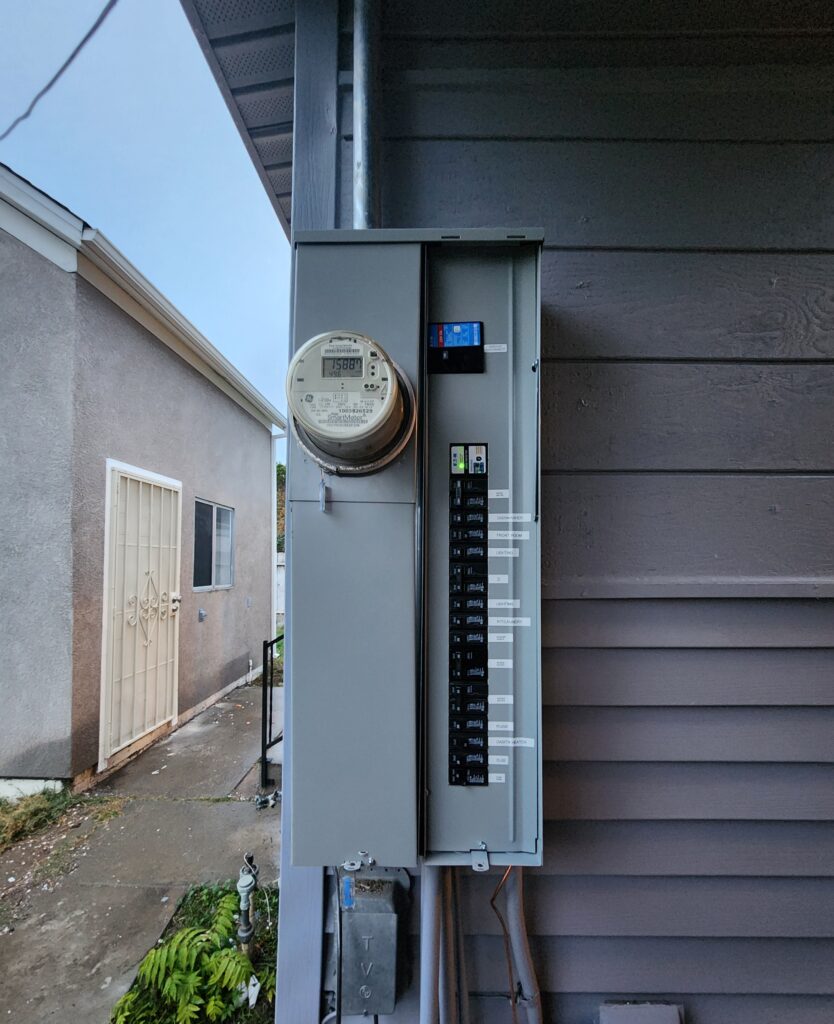
Your breaker panel controls the power flowing to your AC, so start there before the first heat wave hits. Open the panel door and look at the breaker labeled for your air conditioner. It should sit firmly in the on position without any signs of rust, corrosion, or discoloration. If the breaker feels loose, warm to the touch, or shows a black mark on the plastic, stop and call an electrician. These symptoms suggest the breaker is failing and could cause a fire.
Listen carefully near the panel for buzzing, humming, or crackling sounds. A healthy breaker panel runs silently under normal load. Any unusual noises mean loose connections, arcing, or overheating inside the panel. Smell the panel too; a burning plastic odor is an emergency that needs immediate professional attention. Shut off the main breaker and call for help if you notice any of these warning signs.
Older homes sometimes have panels that cannot handle the load of a modern central AC system. If your breaker trips repeatedly when the AC kicks on, your panel may be undersized or outdated. Some brands like Federal Pacific and Zinsco are known to fail and should be replaced. Click here for our electrical panel upgrade service if you suspect your panel needs attention. A panel upgrade protects every appliance in your home, not just your AC.
Test the AC Disconnect Box Before Summer
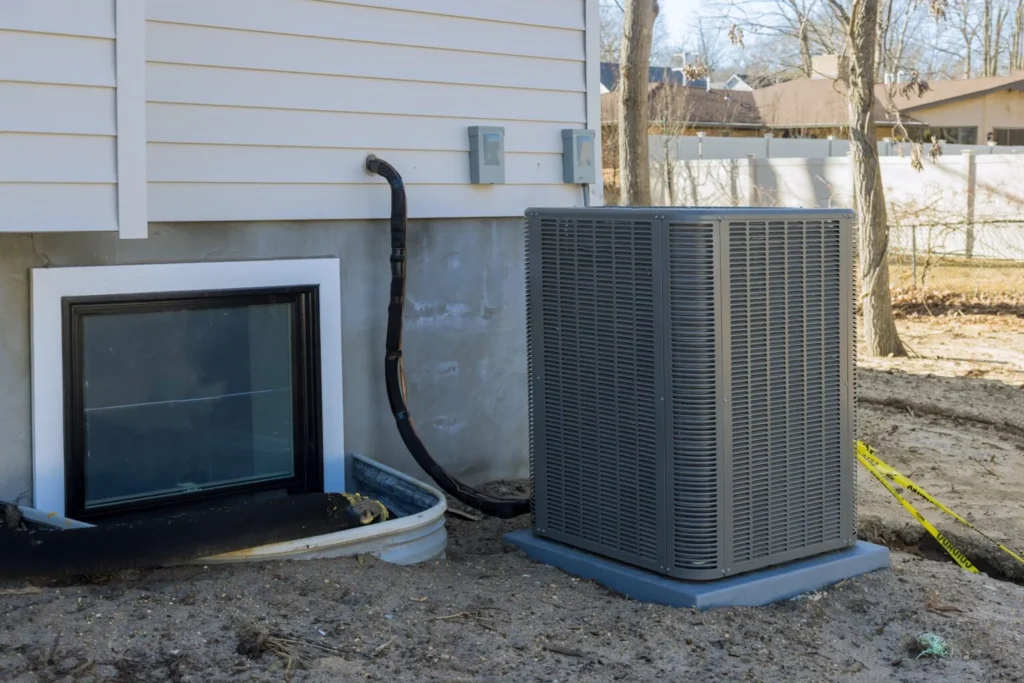
The disconnect box sits on the exterior wall near your outdoor condenser unit, and it serves as a local shutoff for safety. Start by making sure the box cover is secure and free from damage. Wasps, mice, and weather can all wreak havoc inside these boxes over the winter months. Open the cover carefully and check for nests, debris, rust, or water intrusion. Any moisture inside the box can cause corrosion on the terminals and create dangerous shorts.
Inside the disconnect, you will find either a pull-out fuse block or a switch. Give it a visual inspection for burn marks, pitted contacts, or melted plastic. The wires entering the box should have tight, clean connections with intact insulation. Frayed wiring, exposed copper, or loose lugs all need professional repair before you run the AC. Never attempt to tighten connections yourself; the terminals inside a disconnect remain live even when the switch is off.
The conduit running from the disconnect to the condenser unit should be intact and properly sealed. Gaps in the conduit let water, pests, and debris reach the wiring. Check that the whip (the flexible conduit connecting the disconnect to the unit) is not cracked or damaged. If anything looks wrong, shut off the breaker at the main panel and call a licensed electrician. The disconnect is a critical safety device, and it needs to work right every time.
Common AC Electrical Problems to Watch for This Summer
Even with a thorough pre-season check, summer brings unique stress to your electrical system. Knowing the warning signs helps you catch trouble early before small problems become expensive repairs. Your AC uses more power than any other appliance in your home, and that heavy draw reveals weak spots in your wiring. Pay attention to how your system behaves during the first few hot days. Strange behavior now points to bigger issues later in the season. A quick response can save your compressor and your wallet.
Tripping Breakers Are a Common Summer AC Problem
A tripping breaker is one of the most common AC complaints during summer. The breaker trips because it senses too much current, which protects your wiring from overheating. Sometimes the problem is simple, like dust buildup causing the compressor to work harder. Other times, the issue points to a failing capacitor, a short in the wiring, or a weak breaker. If your breaker trips more than once, do not keep resetting it. Repeated trips mean something is wrong, and continued resets can damage the breaker itself.
A breaker that trips immediately when you turn on the AC usually indicates a dead short or a failed compressor. This type of trip needs professional diagnosis before any further action. A breaker that trips after the AC has run for a while often signals an overload, a bad capacitor, or a breaker that no longer holds its rated current. Breakers do wear out over time, especially when exposed to heat cycling and heavy summer use. Replacing a weak breaker is simple and affordable.
Sometimes the problem is not the AC at all but the breaker serving it. A properly sized breaker should handle the AC load without issue. Click here for our circuit breaker repair service if you notice repeated tripping. A licensed electrician can test the breaker, check the wiring, and verify the AC is drawing the correct amperage. Ignoring the problem risks damage to your compressor, your panel, and your home.
Dimming Lights Are a Common AC Summer Warning Sign
Lights that dim briefly when your AC kicks on can be normal, but persistent or severe dimming is a red flag. A small dip in brightness during startup happens because the compressor pulls extra current for a second or two. This should stop as soon as the compressor reaches running speed. If your lights dim noticeably every time the AC starts, or if they stay dim while it runs, something is wrong. The problem usually traces back to loose connections, undersized wiring, or a failing capacitor in the AC.
Loose connections in your main panel or at the meter can cause voltage drops throughout the house. These connections heat up under load, and summer makes the problem worse. Over time, a loose connection can burn through the wire or melt the breaker. You cannot see these connections without opening the panel, which is a job for a licensed electrician. Annual panel inspections catch these problems before they become dangerous.
A failing hard-start capacitor in your AC also causes dimming. The capacitor gives the compressor the boost it needs to start, and a weak one makes the motor draw extra current for longer. This prolonged current draw dims lights across your home. Replacing a bad capacitor is an HVAC repair, but the symptoms often appear electrical at first. Having a pro diagnose the issue ensures you fix the right component the first time.
Hot Wires and Burning Smells Are a Summer AC Emergency
A burning smell near your AC, panel, or outlets is an emergency that needs immediate action. Turn off the AC at the thermostat and shut off the breaker before anything else. Burning smells mean something is hot enough to damage insulation, and that means fire risk. Plastic, rubber, or electrical insulation have distinct smells when they overheat, and none of them belong in a working system. Do not try to find the source yourself if you smell smoke or see sparks.
Warm wires, outlets, or panel covers during heavy AC use also indicate trouble. A wire carrying normal current stays cool or slightly warm to the touch. A wire that feels hot is overloaded, undersized, or has a loose connection somewhere along its length. The insulation breaks down under heat, and eventually the wire can arc or short. This is how electrical fires start, often inside walls where you cannot see the damage until it is too late.
Any burning smell or hot wire calls for immediate professional attention. Click here for our emergency electrician service if you notice these warning signs. Frayer Electric offers 24/7 emergency response across Patterson and the surrounding Central Valley. Waiting even a few hours with a hot wire in your wall is a serious risk. Fast action protects your family and your home.
Why You Need a Professional AC Electrical Inspection Before Summer
A professional inspection catches problems you cannot see, and it gives you confidence heading into the hottest months of the year. Electrical issues hide inside walls, panels, and disconnect boxes where homeowners should not look. A licensed electrician has the tools, training, and experience to spot trouble fast. Central Valley summers regularly push temperatures past 100 degrees, and your AC needs to work every single day. Spending a little on prevention saves a lot on repairs.
A Professional Electrician Catches Hidden AC Issues Before Summer
Licensed electricians use thermal imaging, multimeters, and torque tools to check connections you cannot see. A thermal camera reveals hot spots in panels, outlets, and wiring that the eye cannot detect. These hot spots are early warning signs of failing components. Tightening a lug with the correct torque prevents the arcing that causes most panel fires. Homeowners rarely own these tools and cannot safely use them inside a live panel.
An inspection also verifies your AC is wired according to current electrical code. Code requirements change over the years, and older installations may no longer meet standards. A grandfathered installation is legal but may not be safe under modern loads. Your electrician can spot undersized wires, missing ground connections, or improper disconnects. These issues often trace back to DIY work or shortcuts taken by previous homeowners.
The inspection report gives you a clear picture of your electrical health. You learn what is working, what needs attention soon, and what is urgent. This lets you plan repairs on your schedule rather than react to emergencies. An inspection also helps with insurance claims and home sales. Buyers and insurers both value documented proof that your electrical system is safe.
A Pre-Summer Electrical Inspection Extends Your AC Lifespan
Your AC compressor is the most expensive component in the cooling system, and it hates electrical problems. Low voltage, dirty connections, and weak capacitors all shorten compressor life. A compressor that should last 15 years can fail in 5 under poor electrical conditions. Replacement costs run into the thousands, and a pre-season inspection is a tiny fraction of that price. Catching electrical issues early pays for itself many times over.
Proper voltage and clean connections also help your AC run more efficiently. An AC struggling against voltage drop pulls more current to do the same job. Higher current means higher power bills and more heat inside the components. This cycle accelerates wear on every part of the system. Good electrical health keeps your AC cool, efficient, and long-lasting.
Inspections also reveal whether your electrical service can handle a system upgrade. Many homeowners plan to install a more efficient AC or add a mini-split for a bedroom. Knowing your panel capacity and wiring condition in advance makes upgrades smoother. Click here for our electrical inspection service to schedule yours before summer arrives. A quick visit now prevents the scramble for service when your AC quits in July.
Why Choose Frayer Electric for Your Pre-Summer AC Inspection
Frayer Electric is locally owned and operated in Patterson, and we serve the entire Central Valley with integrity. Our team understands the demands summer places on your electrical system because we live here too. We are fully licensed, insured, and committed to getting the job done right the first time. Every inspection comes with a straightforward quote and no hidden fees. You know what you are paying for before any work begins.
We offer discounts for veterans, seniors, and first responders because we value the people who serve our community. Our electricians arrive on time, treat your home with respect, and explain every finding in plain language. You never feel pressured to buy services you do not need. We show you the problem, explain the fix, and let you decide how to move forward. That honesty is why so many Central Valley families trust us year after year.
Frayer Electric also provides 24/7 emergency service for those moments when summer heat meets electrical failure. A bad breaker or failed AC circuit on a 105-degree day cannot wait until Monday. Call us anytime at(209) 961-3867 and we will be there. Our team covers Patterson, Modesto, Turlock, Tracy, Manteca, and the surrounding communities. Schedule your pre-summer electrical inspection today and face the heat with confidence.