Why Invest in an EV Charger at Your Home
The transition to an electric vehicle is one of the most significant changes a driver can make. It alters the daily routine of vehicle ownership entirely. You no longer have to stop at a gas station on your way to work or stand in the cold pumping fuel. Instead, fueling becomes a passive activity that happens while you sleep. For residents in Patterson, where commuting is a daily reality, the electric vehicle offers a promise of efficiency and lower operating costs. However, that promise is only fully realized when you control your own fuel source. Relying on public infrastructure works for occasional road trips, but for daily life, it introduces friction and uncertainty. The single most effective upgrade you can make to your driving experience is the installation of a dedicated Level 2 charging station at your home. This investment changes the car from a gadget you have to manage into a seamless part of your lifestyle. It provides freedom, financial savings, and the security of knowing you are always ready to drive.
The public charging network is growing, yet it remains imperfect. You have likely seen the lines at popular charging stations or experienced the frustration of pulling up to a charger only to find it out of order. When you rely on public charging, you are at the mercy of availability and functionality that is out of your control. You lose time waiting for a plug to open up and then spend more time waiting for the battery to fill. This turns fueling into a chore that dictates your schedule. Installing a home charger eliminates this variable completely. You become the owner of your own fueling station. It is open twenty four hours a day, seven days a week, and there is never a line. You simply plug in when you arrive home, go about your evening, and wake up to a vehicle with a full range. This convenience is transformative. It removes the concept of a fuel gauge from your daily mental load. You start every single day with a full “tank,” ready for any commute or unexpected errand.
The Financial Advantage of Home Charging
One of the primary drivers for switching to an electric vehicle is the potential for cost savings. Electricity is generally cheaper per mile than gasoline, but where you buy that electricity matters immensely. Public charging stations are businesses. They have to cover their installation costs, rent, maintenance, and profit margins. As a result, the cost per kilowatt-hour at a public fast charger can be significantly higher than the residential rate you pay at home. In some cases, frequent use of commercial high speed chargers can cost nearly as much as buying gas. Charging at home allows you to bypass these markups entirely. You pay the direct rate from your utility provider, which is almost always the most improved price available.
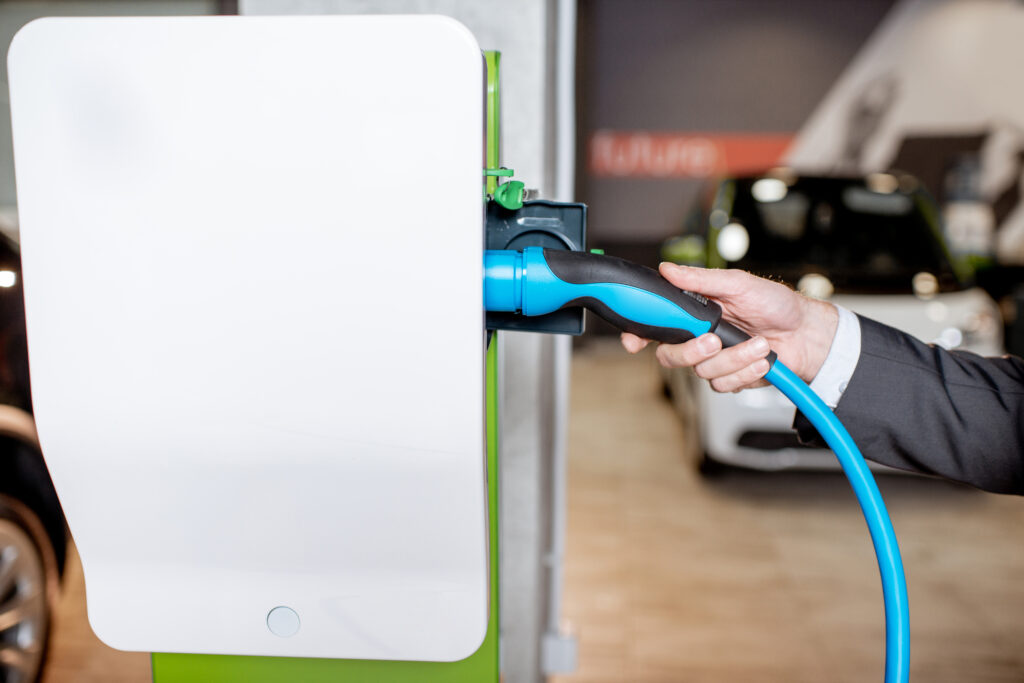
The savings become even more substantial when you consider Time of Use rate plans. Many utility companies in California offer special rates for EV owners or general plans that incentivize off-peak usage. Electricity is often cheapest late at night when demand on the grid is low. This aligns perfectly with home charging habits. You can plug your car in when you get home at 6:00 PM, but program the charger or the car to wait until midnight to start drawing power. This allows you to fill your battery using the absolute cheapest energy available. Over the life of the vehicle, the difference between paying premium public rates and off-peak residential rates can amount to thousands of dollars in savings. The cost of installing the charger is essentially paid back over time through these operational efficiencies.
Furthermore, installing a home charger protects you from the volatility of fuel prices. Gas prices fluctuate wildly based on global events and seasonal demand. Public charging rates can also change. Your home electricity rates are regulated and tend to be far more stable. This predictability allows for better household budgeting. You know exactly what it costs to power your commute, and you have the tools to lower that cost by simply shifting when you charge. This level of financial control is impossible with a gasoline vehicle or reliance on third party charging networks.
Preserving Your Vehicle’s Battery Health
Your electric vehicle is a significant financial investment, and the most expensive component within it is the battery pack. Preserving the health of this battery is critical for maintaining the car’s range and resale value over time. How you charge the battery has a direct impact on its longevity. Public DC fast chargers are incredible technology. They can push massive amounts of energy into the battery in a short time, getting you back on the road quickly during long trips. However, this speed comes at a cost. Fast charging generates significant heat and stress within the battery cells. Frequent reliance on DC fast charging can accelerate the degradation of the battery, reducing its total capacity faster than standard charging.
Need an EV charger install? Click here for our EV charger installation service.
Level 2 home charging is the “Goldilocks” solution for battery chemistry. It uses 240 volt AC power, which is faster than a standard wall outlet but much gentler than a commercial fast charger. It fills the battery at a steady, manageable rate that allows the car’s thermal management system to easily keep the cells at an optimal temperature. This slow and steady approach is far healthier for the battery chemistry in the long run. Think of it like a human meal. DC fast charging is like force feeding, while Level 2 charging is a steady, nutritious meal. By doing the vast majority of your charging at home on a Level 2 station, you are actively extending the life of your vehicle’s most critical component.
Home charging also allows you to easily follow manufacturer recommendations for daily charging limits. Most automakers suggest charging to only 80 percent or 90 percent for daily driving to reduce stress on the battery, saving the 100 percent charge for long trips. Managing this is simple with a home charger. You set the limit in your car or on the charger app, plug it in, and forget it. You do not have to monitor a public charging session or rush back to move your car to avoid idle fees. You simply let the car sip power gently overnight, ensuring it remains in peak condition for years to come.
Safety and Electrical Reliability
Safety is a paramount concern when dealing with the high power requirements of an electric vehicle. Some new owners attempt to get by using the Level 1 charger that came with the car. This is the cord that plugs into a standard household outlet. While this can work in a pinch, it is often inadequate for daily use and can introduce safety risks if not managed correctly. A Level 1 charger draws a continuous load that pushes a standard household circuit to its limit. If that circuit is shared with other devices, like a freezer or garage lights, it can easily lead to tripped breakers or overheated wiring. Furthermore, because Level 1 charging is so slow, the charger is running for much longer periods, increasing the thermal stress on your outlets.
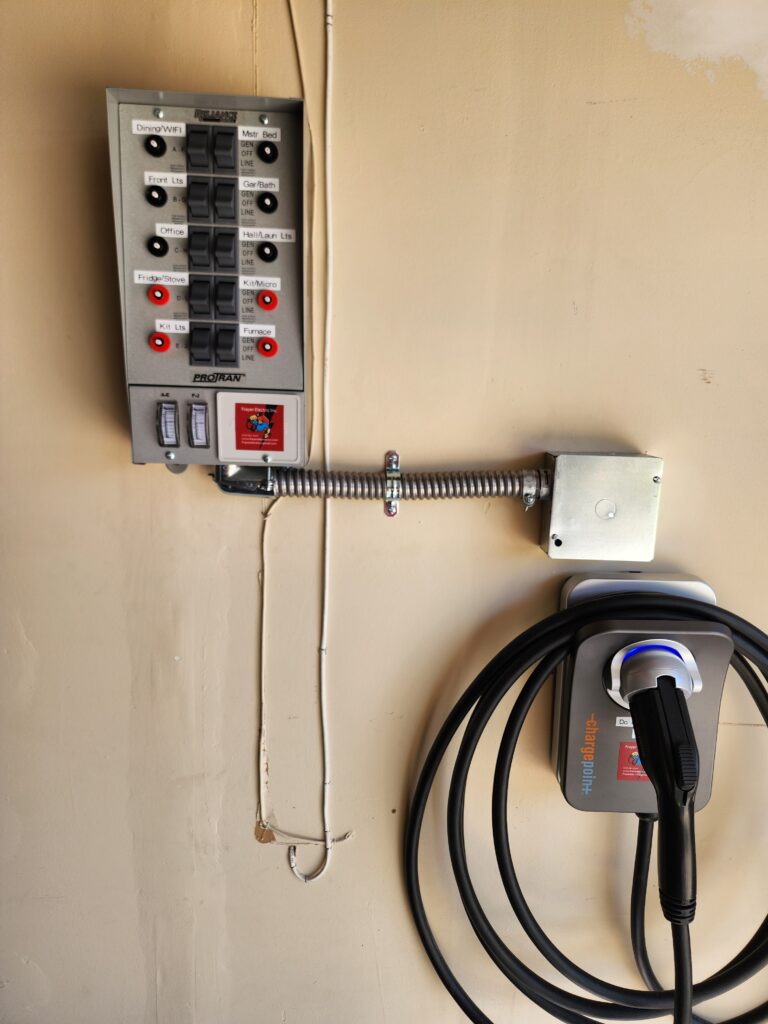
Installing a dedicated Level 2 home charger involves running a new, high amperage circuit directly from your main electrical panel. This is a robust, permanent electrical upgrade. A licensed electrician will ensure that the wire gauge is correctly sized to handle the continuous load without overheating. They will install the proper conduit to protect the wiring and ensure the system is grounded according to the National Electrical Code. This dedicated circuit means your car is not competing for power with your toaster or your power tools. It isolates the heavy load of the EV, making your entire home electrical system safer and more stable.
Using extension cords with EV chargers is a common but dangerous workaround that home charging eliminates. Extension cords are rarely rated for the continuous, high amperage draw of an electric vehicle. They adds resistance, cause voltage drop, and create a significant fire hazard. A professionally installed wall mounted charger eliminates the need for extension cords entirely. The unit is hardwired or plugged into a commercial grade receptacle designed specifically for this purpose. The heavy duty charging cable is attached to the unit, providing a safe, cool, and reliable connection to your vehicle every single time. This peace of mind is invaluable. You should never have to worry if charging your car is risking a house fire.
Increasing Property Value and Appeal
The automotive market is shifting undeniably toward electrification. As more manufacturers commit to electric lineups and California moves toward zero emission mandates, the demand for EV ready homes is skyrocketing. An installed Level 2 EV charger is no longer just a niche accessory for tech enthusiasts. It is becoming a standard expectation for modern home buyers, much like central air conditioning or a dishwasher. Installing a charger is an investment in your property’s infrastructure that adds tangible value.
Want to know how to prepare for an EV charger installation? Click here for more information.
When you eventually decide to sell your home, a pre-installed EV charger is a powerful selling point. It signals to potential buyers that the home is modern and updated. For a buyer who already owns an EV, it means the home is “turn-key.” They do not have to worry about finding an electrician, pulling permits, or waiting for an installation before they can move in. They can pull into the driveway on day one and charge their car. This convenience can be a deciding factor that sets your home apart from a similar property down the street that lacks this capability.
Even for buyers who do not yet own an EV, the presence of a 240 volt outlet or hardwired station in the garage demonstrates that the home’s electrical system is robust and capable of supporting future needs. It shows that the panel has capacity and that the garage is ready for the future. You are essentially future proofing your home. As the adoption of electric vehicles continues to accelerate in Patterson and the Central Valley, the value of this asset will only increase. It is a home improvement project that offers immediate utility to you while banking value for the future resale of the property.
Smart Control and Grid Integration
Modern home EV chargers are sophisticated pieces of technology. They are not just dumb outlets; they are smart devices that offer a high level of control and insight. Most Level 2 chargers connect to your home Wi-Fi network and interface with a smartphone app. This connectivity unlocks a suite of features that help you manage your energy usage more effectively. You can track exactly how much energy your car is consuming and calculate the precise cost of your driving. This data is incredibly useful for budgeting and for understanding your home’s overall energy footprint.
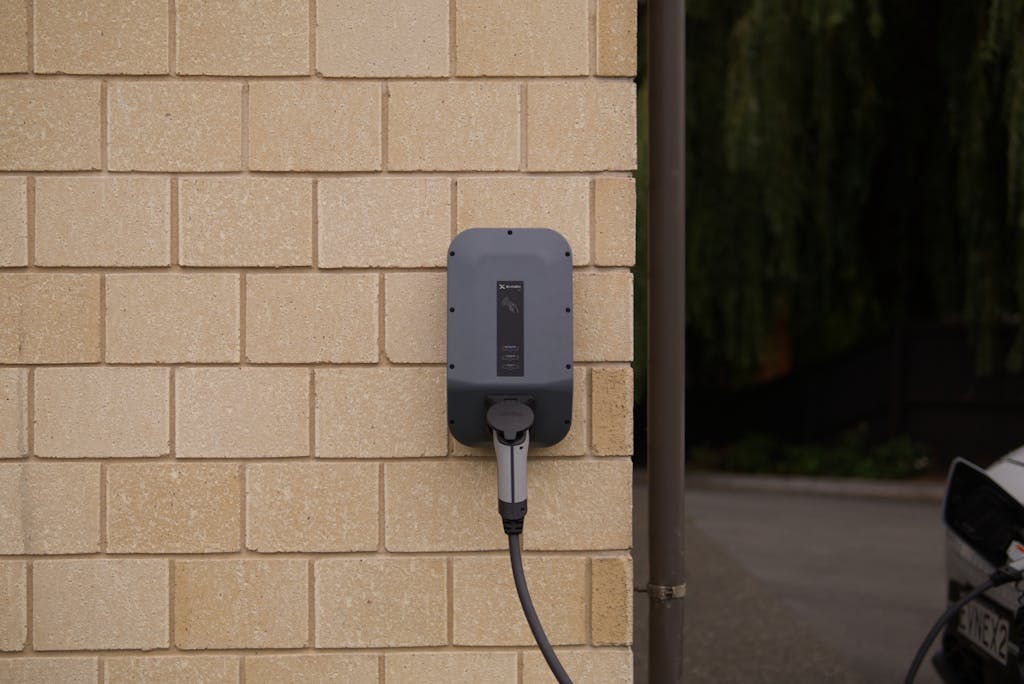
The smart features allow for remote control and monitoring. You can start or stop a charging session from your phone, no matter where you are. If you forget to plug in, you can check the app status without having to walk out to the garage. Some chargers can even integrate with your home’s solar panel system if you have one. They can be programmed to charge your car only when your solar panels are producing excess energy, effectively allowing you to drive on sunshine for free. This integration maximizes the return on investment for your solar system and further reduces your carbon footprint.
Grid integration is another emerging benefit. Utility companies are increasingly looking for ways to manage peak demand. Smart chargers can participate in demand response programs, where the utility might offer you credits or payments for allowing them to slightly throttle your charging speed during extreme heat waves or grid emergencies. This allows you to be part of the solution for grid stability while earning financial rewards. Having a smart, connected charger at home opens the door to these advanced energy management strategies that are simply not possible with a basic Level 1 cord or reliance on public infrastructure.
Investing in a home EV charger is the final step in truly embracing the electric vehicle experience. It bridges the gap between the car as a machine and the car as a seamless part of your life. The benefits are comprehensive. You gain the daily luxury of waking up with a full battery, eliminating the time and hassle of public charging stations. You unlock significant financial savings by accessing the lowest possible electricity rates and protecting your vehicle’s expensive battery from the wear and tear of fast charging. You enhance the safety of your home by utilizing a dedicated, professional grade electrical circuit rather than relying on temporary cords. Furthermore, you add a desirable, future proof asset to your property that increases its value and appeal to the next generation of buyers. The electric revolution is here in Patterson, and your home should be ready for it. Do not settle for a compromised experience. Contact Frayer Electric to discuss the installation of a high quality Level 2 charging station and take full control of your power.