
How We Handle High Ceiling Light Installs
A home with high ceilings offers a sense of grandeur and openness that is highly desirable in Patterson architecture. These soaring entryways and two story living rooms create a dramatic visual impact, allowing for natural light to flood the space and giving the home a luxurious feel. The challenge arises when that space needs to be illuminated. Installing or replacing a light fixture eighteen or twenty feet off the ground is not a standard home improvement task. It is a complex logistical operation that requires specialized equipment, unwavering safety protocols, and a deep understanding of electrical systems. Many homeowners look at a burnt out bulb or a dated chandelier in their foyer and feel a sense of dread. They know that reaching it is beyond the capability of a household stepladder.
Frayer Electric approaches these high elevation projects with a specific methodology designed to ensure safety and precision. We understand that working at heights introduces a layer of risk that does not exist with standard eight foot ceilings. Gravity is unforgiving. A slip or a dropped tool from that height can cause severe injury or damage to the expensive flooring below. Furthermore, the electrical boxes in these high spaces are often difficult to access and may require reinforcement to support modern, heavy fixtures. Our team is trained to handle these unique challenges. We do not just bring a taller ladder. We bring a complete system of access and protection that allows us to perform the installation with the same quality and care as if we were standing on the ground.
Access Equipment and Safety Logistics
The primary hurdle in a high ceiling install is simply getting to the electrical box. Standard extension ladders are often insufficient or unsafe for this type of work. Lean a ladder against a wall is fine for painting, but installing a chandelier requires the electrician to be positioned directly under the box, often in the center of the room where there is no wall support. To bridge this gap, we utilize specialized access equipment. For many residential foyers, this involves the setup of interior scaffolding. Scaffolding provides a stable, flat platform for the electrician to stand on. It allows for two handed work, which is essential when wiring a complex fixture or supporting a heavy chain.
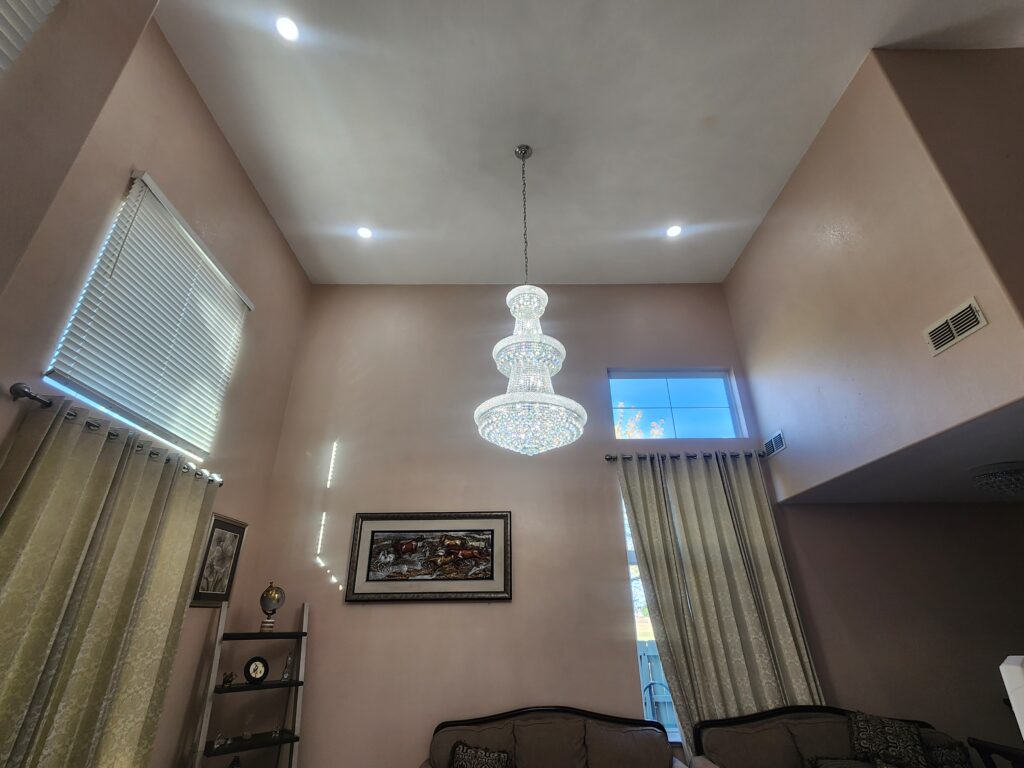
Setting up scaffolding inside a finished home requires a delicate touch. We cannot simply drag steel frames across your hardwood or tile floors. We begin by laying down heavy duty protective coverings to shield your flooring from scratches and pressure damage. We then assemble the scaffolding carefully, piece by piece, ensuring that it is level and stable. For situations where scaffolding is not feasible due to stairs or furniture that cannot be moved, we use specialized A frame ladders. These are not the ladders you find at a hardware store. They are industrial grade, ultra stable, and designed to reach heights of sixteen to twenty feet while maintaining a wide, secure base.
Safety harness protocols are also part of our workflow for extreme heights. When working on a lift or high scaffolding, our electricians wear fall protection gear. This is not just about complying with regulations. It is about ensuring that every member of our team goes home safe at the end of the day. We also secure the area below the work zone. We establish a drop zone where no one is allowed to walk, preventing injury from the accidental fall of a screw or wire nut. This methodical approach to access takes time to set up, but it is the only way to guarantee a safe and successful installation.
Structural Support and Weight Management
The visual appeal of a high ceiling often calls for a large, statement piece fixture. Homeowners in Patterson frequently choose massive crystal chandeliers, large rustic iron lanterns, or multi tiered modern pendants to fill the vertical space. These fixtures are heavy. A standard plastic electrical box nailed to a ceiling joist is rated to hold roughly fifty pounds of static weight. A large foyer chandelier can easily exceed one hundred pounds, especially when you factor in the weight of the glass, the chain, and the bulbs. Hanging a fixture of this magnitude on a standard box is a recipe for disaster. The box can pull loose from the framing, sending the expensive fixture crashing to the floor.
Need an interior lighting install? Click here for our interior lighting installation service.
Before we even connect a wire, we inspect the existing electrical box and its mounting system. If the new fixture is heavier than the old one, or if the box shows signs of weakness, we reinforce the structure. This often involves installing a heavy duty fan brace or a box rated for heavy fixtures. These braces are expandable steel bars that span between two ceiling joists. They have teeth that drive into the wood, creating a connection that can support significantly more weight than a standard nail on box. We ensure the anchor point is rock solid.
For extremely heavy chandeliers, we may need to access the attic space above the ceiling to install additional wood blocking or steel supports. We treat the structural integrity of the mount as the most critical part of the job. The electrical connection is important, but the mechanical connection keeps the fixture from falling. We also inspect the chain and the mounting loop on the fixture itself. We ensure every link is closed and secure. We verify that the screw collar loop, which holds the canopy against the ceiling, is threaded correctly and capable of holding the load. There is no room for error when suspending a hundred pounds of glass and metal twenty feet in the air.
Managing Wire Length and Complexity
Wiring a fixture at high altitude presents unique electrical challenges. The most common issue we encounter is wire length. Many fixtures come with a standard length of wire that may be insufficient for a two story foyer. If the fixture needs to hang down five or six feet from a twenty foot ceiling, the wire must be long enough to travel through the chain, into the box, and make a secure connection. We often have to extend the wiring or order fixtures with custom wire lengths. Splicing wires inside the chain is unsightly and unsafe. We ensure the continuous run of wire from the socket to the junction box is intact and protected.
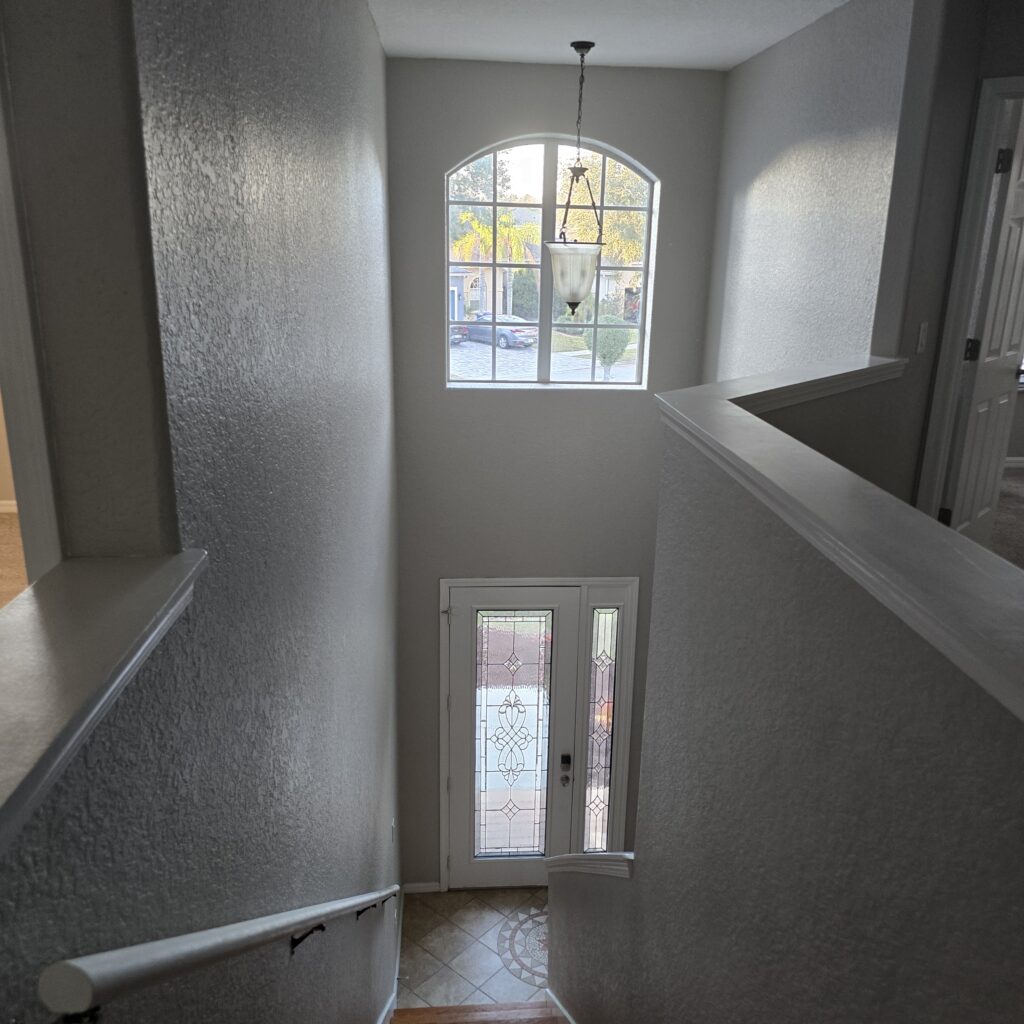
Complex fixtures often have multiple tiers of lights. A large chandelier might have twenty or thirty individual sockets. This creates a bundle of wires at the top of the fixture that must be managed and connected properly. We group these wires carefully, ensuring that the load is balanced and the connections are tight. A loose wire nut in a standard ceiling is a nuisance. A loose wire nut in a twenty foot ceiling is a major maintenance headache that requires setting up the scaffolding all over again. We double check every connection. We tug on the wires to ensure they are bitten firmly by the connector. We tape the connections for added security against vibration.
We also pay close attention to the grounding of the fixture. Large metal fixtures are prime candidates for becoming energized if a hot wire shorts out against the frame. We ensure the ground wire is continuous from the fixture frame all the way back to the panel. This triggers the breaker immediately in the event of a fault, protecting you from shock when you eventually have to clean the fixture or change a bulb. The electrical code dictates specific methods for grounding these suspended fixtures, and we adhere to them strictly.
The Importance of LED Technology
When we install a light in a high ceiling, our goal is to ensure you do not have to touch it again for a very long time. The era of incandescent bulbs in high foyers is over. The filaments in those bulbs are fragile. Vibration from walking on the floor above or simply the thermal expansion of the fixture can cause them to burn out quickly. Changing a bulb at twenty feet is not a simple task for a homeowner. It involves renting a ladder or hiring a service. To minimize this inconvenience, we strongly advocate for and install high quality LED bulbs.
Want to know the benefits of a LED lighting upgrade? Click here for more information.
LED technology has matured significantly. We can now provide LED bulbs that mimic the warm, inviting glow of incandescent filaments without the heat or the short lifespan. A quality LED bulb can last for fifteen or twenty thousand hours. In a foyer light used for a few hours a day, that translates to over a decade of service without a bulb change. We select bulbs that are rated for enclosed fixtures if necessary and verify that they are compatible with the dimmer switch on the wall.
Dimming is another critical factor. High ceiling lights are often very bright because they have so many bulbs. Being able to dim them creates ambiance and extends the life of the LEDs even further. However, LEDs require specific types of dimmers to function without flickering or buzzing. We often replace the existing wall switch with a dedicated LED dimmer during the install. We test the dimming range before we take down the scaffolding. We want to ensure the light is stable at low levels and that there is no audible hum from the fixture. This attention to the quality of the light ensures that your new fixture is a joy to look at, not a source of annoyance.
Chandelier Lifts for Ultimate Convenience
For homeowners who want the ultimate solution to high ceiling maintenance, we offer the installation of chandelier lifts. A chandelier lift is a motorized winch system installed in the attic or the ceiling space above the fixture. It allows you to lower the entire chandelier to floor level with the turn of a key or the press of a button. This technology transforms the maintenance of a high foyer light. You can clean the crystals, change the bulbs, and dust the frame while standing safely on your floor.

Installing a lift is a significant project that involves both electrical and structural work. We mount the motor unit securely to the joists in the attic. We run a dedicated electrical circuit to power the motor. We install the control panel in a convenient location, usually a closet or a discrete spot on the wall. The lift uses a steel cable to support the fixture. It also uses a special contact plate that disconnects the electricity to the fixture when it is lowered, ensuring you can work on it safely without risk of shock.
A lift is an investment, but for homes with massive, intricate chandeliers that require frequent cleaning, it pays for itself by eliminating the need to hire professional cleaners with scaffolding. We assess your attic space to see if a lift is a viable option. We check for clearance and accessibility. If your home structure allows it, a lift is the most functional upgrade you can add to a high ceiling space. It turns a logistical nightmare into a simple weekend chore.
Protecting Your Home During the Process
We understand that your home is not a construction site. It is your sanctuary. When we bring heavy equipment and ladders into your foyer, we treat your property with the utmost respect. We use clean drop cloths that are free of debris. We wear shoe covers to prevent tracking dirt from the outside. We are mindful of the walls and the door frames when moving long ladders and scaffolding components. We do not lean tools against your furniture. We establish a designated tool staging area on our protective mats.
Dust control is also a priority. Removing an old fixture often releases years of accumulated dust from the canopy. Installing a new box may involve cutting drywall, which creates gypsum dust. We use vacuums with HEPA filters to capture this dust at the source. We wipe down the new fixture to remove fingerprints and smudge marks before we hoist it into place. We want the crystal to sparkle and the metal to shine the moment you flip the switch.
Our team is also trained in communication. We explain the plan before we start. We let you know if we need to move a table or a rug. We advise you if the power needs to be turned off to a specific area of the house. We do not just come in and start moving things. We work with you to minimize disruption to your day. We understand that having contractors in your home can be stressful, and we aim to make the experience as smooth and professional as possible.
Installing a light fixture in a high ceiling is a task that demands respect for height, gravity, and electricity. It is not a job for a weekend warrior or a handyman with a shaky extension ladder. The risks to personal safety and property are simply too high. Frayer Electric brings the professional equipment, the structural knowledge, and the electrical expertise required to handle these projects safely. We ensure your new fixture is supported correctly, wired safely, and equipped with the best lighting technology available. We take the stress out of reaching those soaring heights so you can simply enjoy the beauty of your illuminated home. If you have a high ceiling project in Patterson that needs a professional touch, contact us to discuss how we can bring light to your space safely and effectively.