When to Replace Old Outlets
We interact with electrical outlets more than almost any other fixture in our homes. Every morning we plug in coffee makers and hair dryers. Every evening we charge phones and power televisions. Despite this constant use, the outlet itself is almost entirely ignored. It is simply a hole in the wall that provides power. Most homeowners assume that as long as the device turns on, the outlet is working perfectly. This assumption is a dangerous oversight. Electrical outlets are mechanical devices with moving parts inside. Like any mechanical device, they wear out over time. They suffer from physical abuse, heat cycles, and material degradation. When an outlet reaches the end of its life, it does not just stop working. It becomes a fire hazard.
The standard lifespan of a builder grade electrical outlet is roughly fifteen to twenty years. If your home in Patterson was built in the 1990s or earlier and still has the original receptacles, you are likely living with a compromised electrical system. The plastic faceplates become brittle and crack. The internal metal contacts lose their spring tension. The connections on the back loosen from years of thermal expansion and contraction. Recognizing the physical signs of a failing outlet is a critical home maintenance skill. Replacing them before they fail is one of the most cost effective ways to prevent residential electrical fires and protect your expensive electronics from damage.
The Loose Plug Phenomenon
The most common sign that an outlet needs to be replaced is a loose fit. You have likely experienced this frustration. You plug in a vacuum cleaner or a phone charger, and the plug simply falls out of the wall. Or perhaps it stays in, but the device flickers on and off unless you wiggle the cord just right. Many people dismiss this as a minor annoyance or try to fix it by bending the prongs of the plug outward to make it stick. This is not a fix. It is a sign of severe internal wear that requires immediate attention.
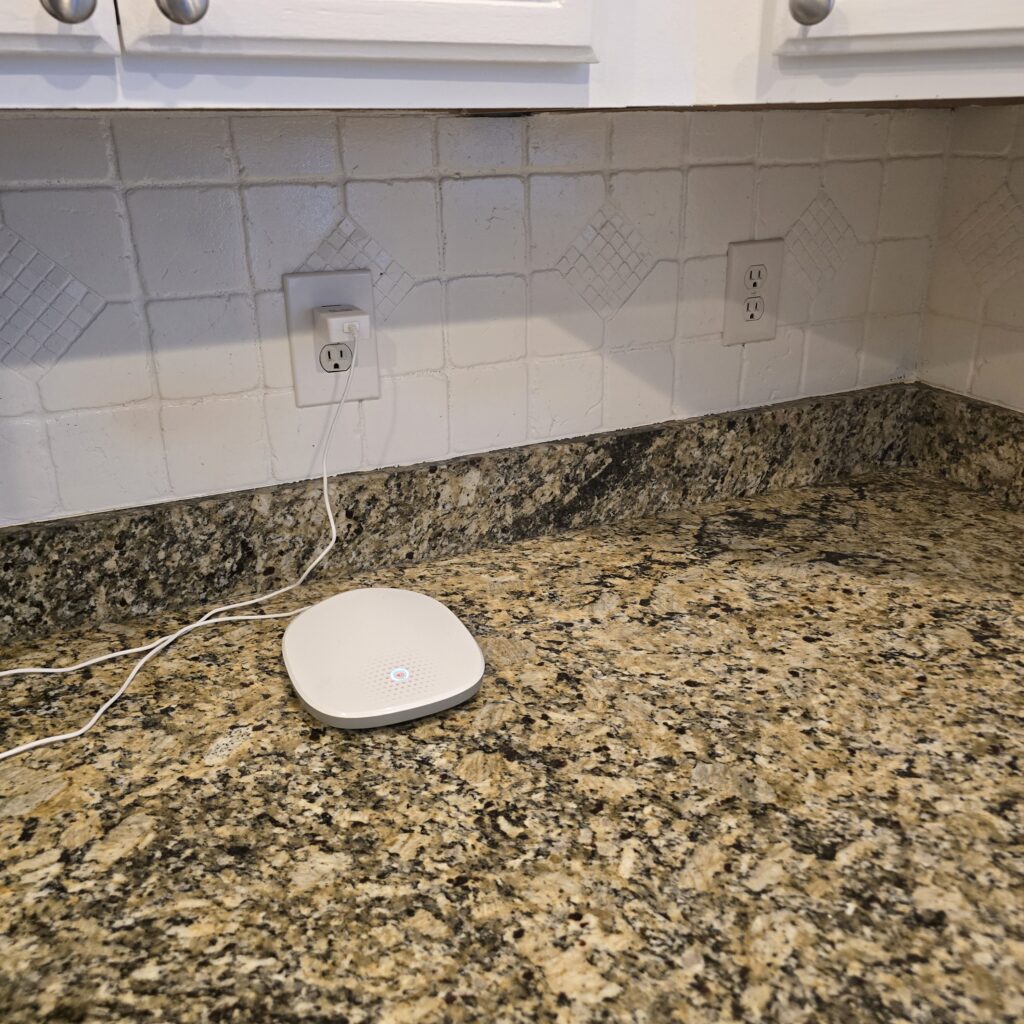
Inside an outlet, there are metal wiper blades that grip the prongs of the plug. These blades are designed to hold the plug firmly in place to create a solid electrical connection. Over years of use, plugging and unplugging devices wears these metal blades down. They lose their tension and spread apart. When the grip is lost, the electrical connection becomes weak. In the world of electricity, a weak connection creates resistance. Resistance generates heat.
When a plug is loose, the electricity has to arc, or jump, across the microscopic gaps between the plug and the outlet contacts. This arcing creates intense, localized heat. It causes the metal to oxidize and pit, which creates even more resistance and more heat. This cycle can cause the outlet to melt from the inside out. If you leave a space heater or a hair dryer plugged into a loose outlet, the heat generated by the poor connection can be enough to ignite the plastic faceplate or the dust inside the wall box. If your plugs do not snap firmly into place, the outlet is defective and must be replaced.
Visible Damage and Discoloration
Your eyes can tell you a lot about the health of your outlets if you know what to look for. One of the most urgent warning signs is discoloration. If you see brown or black scorch marks on the face of the outlet, specifically around the slots, you have an emergency. These marks are not dirt. They are evidence of thermal damage. They indicate that arcing has occurred inside the receptacle, generating temperatures high enough to burn the plastic. This is often accompanied by a faint smell of burning plastic or fish. If you see this, you must stop using that outlet immediately and call an electrician. The wiring behind the wall is likely damaged as well.
Need a GFCI outlet install? Click here for our GFCI outlet installation service.
Cracks in the faceplate or the body of the outlet are another reason for replacement. Patterson summers are hot and dry, and over decades, this environment dries out the cheap plastic used in standard outlets. The material becomes brittle and prone to cracking. A crack across the face of an outlet is not just a cosmetic issue. It exposes the live electrical parts inside to dust, moisture, and debris. It also destroys the structural integrity of the device. When you push a plug in, a cracked outlet can crumble, allowing the plug to push too far in and contact the side of the metal box or the ground wire, causing a massive short circuit.
You should also look for outlets that have been painted over. In many older homes, lazy painters simply rolled over the outlets rather than removing the covers. Paint can get into the slots, preventing the plug from making good contact. It can also seal the outlet to the wall, trapping heat. Paint is a contaminant that interferes with the safe operation of the electrical connection. Replacing these painted, abuse hardened outlets with fresh, clean receptacles is a safety upgrade that also instantly improves the look of the room.
The Danger of Ungrounded Outlets
If your home was built before the mid 1960s, you may still have two slot outlets. These are ungrounded receptacles. They lack the third, round hole that connects to the grounding system. Many homeowners view these as a nuisance because they cannot plug in their three prong laptop chargers or power strips. The danger, however, goes far beyond inconvenience. The ground wire is a critical safety path. Its purpose is to divert stray electricity into the earth if a fault occurs, protecting you from shock.

Without a ground, your body becomes the path of least resistance. If a wire comes loose inside a metal lamp plugged into a two slot outlet, the lamp becomes electrified. If you touch it, you will be shocked. Ungrounded outlets also offer zero protection for your electronics. Surge protectors rely on the ground wire to dump excess energy during a power spike. If you use a “cheater plug” or adapter to force a three prong plug into a two slot outlet, you are bypassing the safety mechanism entirely. Your surge protector becomes a simple extension cord, leaving your computer and TV vulnerable to destruction.
Replacing these outlets is not always as simple as swapping them for three prong versions. If there is no ground wire in the wall, installing a three prong outlet is a code violation and a lie to anyone who uses it. An electrician can solve this problem in two ways. They can rewire the circuit to add a ground, which is the best but most expensive option. Alternatively, they can install a GFCI (Ground Fault Circuit Interrupter) outlet. The electrical code allows a GFCI to replace an ungrounded outlet because the internal sensor provides shock protection even without a ground wire. This makes the outlet safe for people, although it still does not provide equipment ground protection for sensitive electronics.
Unverified or Backstabbed Connections
Not all outlet failures are due to the age of the outlet itself. Sometimes, the failure is caused by how it was installed. For decades, electricians and handymen used a wiring method known as “backstabbing.” On the back of a standard outlet, there are small holes. Instead of curling the wire around the side screws and tightening it down, the installer simply strips the wire and pushes it into the hole. A small metal spring inside grabs the wire and holds it in place.
While this method is fast, it is notoriously unreliable. The spring clamp inside the hole provides a very small surface area of contact with the wire. Over time, as the outlet heats up and cools down with use, the wire expands and contracts. This movement eventually fatigues the weak spring clamp, causing the wire to become loose. A loose backstabbed connection is a leading cause of flickering lights and dead outlets. It creates the same high resistance arcing hazard as a loose plug.
Want to know the signs you need a panel upgrade? Click here for more information.
When an electrician replaces your outlets, they will not use the backstab holes. They will use the side terminals. They curl the copper wire around the screw and tighten it down with a screwdriver. This creates a mechanical bond that is far stronger and more electrically sound than the push in method. If your lights flicker when you plug in the vacuum, it is highly likely you have failing backstabbed connections in your walls. Replacing these outlets with properly wired commercial grade receptacles eliminates this weak link in your electrical chain.
GFCI Protection Requirements
Ground Fault Circuit Interrupters, or GFCIs, are the outlets with the “Test” and “Reset” buttons in the middle. They are required by code in kitchens, bathrooms, garages, laundry rooms, and outdoor areas. Their job is to prevent electrocution in damp environments. Like any electronic device, the internal circuitry of a GFCI wears out. A GFCI that is fifteen years old may still pass electricity, but its safety brain may be dead.
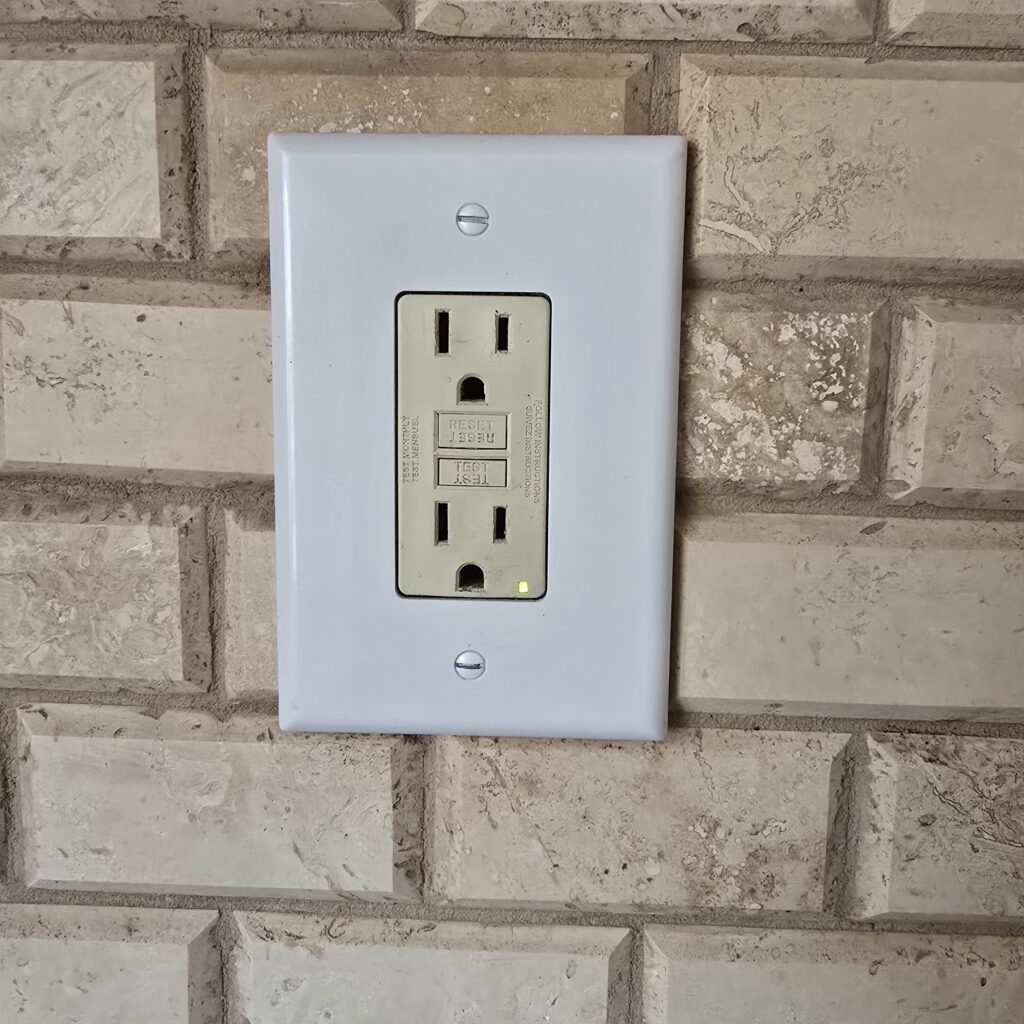
You should test your GFCIs monthly. Press the “Test” button. The “Reset” button should pop out, and the power to the outlet should cut off instantly. If you press “Test” and the “Reset” button does not pop, the unit is defective. If the button pops but the power stays on, the unit is wired incorrectly and is dangerous. If the button does not pop but the power cuts off, the mechanical latch is broken. In any of these scenarios, the GFCI has failed and must be replaced immediately.
Modern GFCIs are much safer than older models. Current standards require a “self testing” feature. New units automatically test themselves every few minutes to ensure the sensor is working. If the self test fails, the unit will trip itself and refuse to reset, or a red light will flash to warn you. Replacing your old, dumb GFCIs with new self testing models ensures that the shock protection you rely on is actually active.
Upgrade Options for Modern Living
Replacing your outlets is not just about safety; it is an opportunity to upgrade your home’s functionality. The standard duplex outlet is no longer the only option. You can replace your old outlets with modern versions that suit your lifestyle. One of the most popular upgrades is the USB outlet. These receptacles have standard plug slots but also include built in USB-A and USB-C charging ports. This allows you to charge your phone and tablet directly from the wall without needing a bulky adapter, freeing up the main outlets for lamps and other devices.
Another important upgrade is the Tamper Resistant, or TR, outlet. If you have young children or grandchildren, these are essential. TR outlets have internal plastic shutters that close off the slot openings. The shutters only open when two prongs are inserted simultaneously. This prevents a child from shoving a paperclip or a key into the hot slot and getting shocked. Tamper resistant outlets are now required by code for all new residential construction in California. Replacing your old outlets with TR models brings your home up to current safety standards and eliminates the need for those plastic baby proofing caps that are a choking hazard.
Smart outlets are another option for the tech savvy homeowner. These outlets connect to your Wi-Fi and allow you to control the power from your phone or voice assistant. You can schedule your living room lamps to turn on at sunset or ensure the iron is turned off after you leave the house. Upgrading to higher quality “spec grade” or “commercial grade” outlets is also a wise investment. These units cost a few dollars more than the cheap builder grade versions, but they have stronger contacts, better durability, and a tighter grip on plugs.
The electrical outlets in your home are the critical interface between your power supply and your life. They are not immortal components. They degrade, loosen, and crack over years of service. Ignoring the signs of a failing outlet, such as loose plugs, discoloration, or lack of grounding, is a gamble with your safety. Replacing old outlets is a proactive maintenance task that prevents fires, protects your family from shock, and secures your expensive electronics. It is also the perfect time to upgrade to modern features like USB charging and tamper resistant shutters. Do not wait for a spark to tell you it is time for a change. If your outlets are showing their age, contact Frayer Electric in Patterson. Our team can inspect your home, identify the hazards, and install fresh, safe, and code compliant receptacles that will power your home reliably for decades to come.