How Underground Wiring Protects Your Yard and Home
Underground wiring keeps your electrical system safe, hidden, and protected from the elements that damage overhead lines every year. When power cables run below the surface of your yard, they avoid wind, falling branches, ice, and the daily wear that exposed wiring suffers in Patterson and across the Central Valley. Homeowners in cities like Modesto, Turlock, and Tracy are choosing underground circuits because they offer cleaner curb appeal, fewer outages, and stronger long-term reliability for the whole property. The wiring is buried inside conduit, sealed against moisture, and rated for direct-burial conditions that meet California electrical code. This setup also reduces the risk of accidental contact, which is a major safety concern with overhead service drops near trees, ladders, or rooftops. With proper installation by a licensed electrician, underground wiring can last decades while keeping your yard open, attractive, and free of unsightly poles or sagging lines. For families who want safer landscapes and dependable power, underground circuits deliver a smart, lasting upgrade that supports modern home electrical demand.
What Underground Wiring Does for Your Yard and Home Safety
Underground wiring protects your property by removing exposed electrical lines from the path of weather, wildlife, and everyday yard activity. Buried circuits stay shielded inside conduit or direct-burial cable, which keeps moisture, rodents, and shovel strikes from damaging the conductors. In Central Valley neighborhoods, where summer heat, winter storms, and occasional high winds all stress overhead wiring, underground systems deliver steady performance with far fewer service interruptions. The result is a yard that looks cleaner and a home that runs on a more dependable electrical supply. Homeowners also gain peace of mind because the wiring is out of reach of children, pets, and lawn equipment. With the right installation, underground wiring becomes a long-term investment in safety, reliability, and property value across Patterson and surrounding cities.
A Safer Yard Starts With Underground Wiring
Underground wiring removes the daily hazards that come with exposed overhead lines, including sagging cables, brittle insulation, and contact risks near trees or rooftops. When circuits run below grade, kids can play, pets can roam, and landscapers can trim without worrying about live wires overhead. This matters in busy family yards across Modesto, Ceres, and Riverbank, where outdoor living spaces, pools, and play areas often share the same footprint. Buried wiring also keeps power away from ladders, fence work, and seasonal projects like tree trimming. The conduit shields the conductors from impact, and the depth requirements set by code add another layer of protection. A licensed electrician follows strict burial depths, marks utility paths, and uses approved materials to keep the system safe for the long term. The end result is a yard that supports active family life without the constant worry that comes with overhead service lines.
Beyond physical safety, underground wiring lowers the risk of fire caused by downed lines, fallen branches, or worn overhead insulation. Storms in the Central Valley can bring sudden wind gusts that snap limbs onto exposed cables, sparking arcs that travel back to the home. With buried circuits, those weather-driven failures drop sharply, and homeowners in Tracy, Manteca, and Lathrop see fewer emergency calls during rough weather. The conduit system also resists pests like rodents that chew through unprotected sheathing, which is a common cause of hidden electrical damage. Proper grounding ties the buried system into your panel safely, giving fault currents a clear path to dissipate. This grounding work is critical, and it should always be handled by a licensed pro who understands California code. When the wiring is installed correctly, your yard becomes a safer place during every season of the year.
Underground wiring also protects the structural areas around your home, including patios, driveways, garden beds, and irrigation zones. Conduit runs are mapped out before installation, so future digging projects can be planned around the wiring instead of cutting through it. Homeowners who add fencing, hardscape, or new landscaping later on benefit from clear locate marks and accurate as-built records. This planning step prevents expensive damage and keeps the property safe for any contractor who works on the yard. It also supports clean coordination with other utilities like gas, water, and irrigation lines. A skilled electrician will document the route, depth, and conduit type so the system stays easy to service for years. That level of detail is what separates a safe, code-compliant install from a rushed job that creates future problems. Need help planning a buried circuit project? Click here for our underground circuits service.
How Underground Wiring Defends Your Home From Weather Damage
Weather is the leading cause of electrical outages, and underground wiring takes your home out of that risk path almost entirely. Wind, rain, hail, and falling debris cannot reach buried conductors the way they reach overhead service drops. In Patterson, Newman, and Gustine, where seasonal storms can knock out power for hours, underground circuits keep critical loads like refrigerators, medical devices, and HVAC systems running. The conduit blocks water intrusion, and the burial depth keeps freezing temperatures from cracking the insulation. This stability matters most during the times of year when families rely on consistent power for comfort and safety. A properly installed underground system gives your home a strong defense against the unpredictable swings of Central Valley weather.
Heat is another factor that wears down overhead wiring much faster than buried wiring. Direct sunlight beats down on exposed cables all summer, breaking down the outer jacket and shortening the lifespan of the conductors inside. Underground wiring stays cool below the soil, where ground temperatures remain far more stable than the air above. This thermal protection extends the service life of the circuit and keeps voltage drop under control over long runs. Homeowners in Los Banos, Merced, and Atwater notice that buried feeders to detached garages, pools, and shops perform reliably year after year. The cooler operating environment also reduces the chance of insulation breakdown, which is a common cause of short circuits in older overhead systems. Long lifespan and steady performance are two of the biggest benefits of going underground.
Moisture management is another area where underground wiring outperforms exposed lines. Buried conduit is sealed at every fitting, and direct-burial cable is rated to handle constant contact with damp soil. Drainage planning around the conduit run keeps water from pooling near connections, junction boxes, or pull points. A licensed electrician will use weatherproof boxes, listed fittings, and proper sealants to keep the system dry inside. This attention to moisture control protects against corrosion at terminals and prevents nuisance tripping at the panel. Over time, the sealed system holds up far better than overhead wiring, which suffers from sun damage, bird nests, and wind-driven debris. For homeowners who want long-term reliability, underground wiring is the clear winner in any climate.
Underground Wiring Adds Curb Appeal and Property Value to Your Home
A clean yard with no overhead wires looks better, sells faster, and feels more inviting to buyers and guests. Underground wiring removes the visual clutter of poles, drops, and sagging lines that can make a property feel dated. Homes in Oakdale, Ripon, and Escalon with buried service often photograph better and stand out in real estate listings. The improved curb appeal carries over to the backyard, where pools, patios, and outdoor lighting can shine without competing wires overhead. Landscaping designers also prefer working around buried circuits because it gives them more freedom with tree placement and hardscape. This visual benefit alone is enough for many homeowners to make the switch.
Property value also rises when buyers see a modern, code-compliant electrical system feeding the home and yard. Underground service to the main panel signals that the property has been upgraded with safety and longevity in mind. Buyers in markets like Stockton, Lodi, and Salida often ask about the age and condition of the electrical service before making an offer. A buried system with a recent inspection report, proper grounding, and clear documentation gives sellers a strong talking point. Appraisers and home inspectors also note underground service as a positive feature during the evaluation process. This combination of safety, looks, and documented quality adds real dollars to the listing price.
Outdoor living spaces benefit enormously from underground wiring, since power can be routed cleanly to gazebos, fire pits, kitchens, and lighting zones. Buried circuits make it easy to add features over time without tearing up the yard or running unsightly conduit along fences. Homeowners in Mountain House, Hilmar, and Denair often plan their underground wiring to support future pools, hot tubs, and detached structures. This forward-thinking approach saves money later and keeps the yard looking polished as new features are added. Thinking about adding outdoor lighting to go with your buried circuits? Click here for our outdoor lighting installation service.
What to Know Before Installing Underground Wiring at Your Home
Underground wiring projects need careful planning, accurate utility locating, and full compliance with California electrical code from the first day of work. The process starts with a load calculation, a site survey, and a permit pulled with the local building department. From there, the electrician maps the trench path, marks existing utilities, and selects the right conduit and conductor sizes for the load. Depth requirements vary based on conduit type, voltage, and whether the run passes under driveways or walkways. Homeowners in Waterford, Winton, and Livingston should always confirm that their contractor is licensed, insured, and experienced with buried installs. Skipping these steps leads to failed inspections, costly rework, and safety risks down the line. A clear plan and a qualified electrician keep the project on schedule and on budget.
Permits and Code Requirements for Underground Wiring Projects
Every underground wiring project in California requires a permit, an inspection, and adherence to the latest edition of the National Electrical Code as adopted by the state. The permit process protects homeowners by ensuring that the work meets minimum safety standards for burial depth, conductor sizing, and grounding. Trench depths are typically 18 inches for PVC conduit and 24 inches for direct-burial cable, with deeper requirements under driveways and roads. Local jurisdictions in Stanislaus, Merced, and San Joaquin counties may add their own rules on top of the state code. A licensed electrician knows these requirements and pulls the permit on your behalf before any digging starts. This step avoids fines, stop-work orders, and resale problems later.
Inspections happen at key stages of the install, usually before the trench is backfilled and again after the final connections are made. The inspector verifies depth, conduit type, warning tape placement, and proper transitions at the panel and weatherhead. Homeowners should never let a contractor backfill a trench before the inspection is complete, since uncovering buried wiring later is expensive and disruptive. Photos, as-built drawings, and inspection sign-offs should be kept with the home records for future reference. These documents help with insurance claims, resale negotiations, and any future electrical work on the property. A professional electrician keeps all of this organized so the homeowner has a clean paper trail.
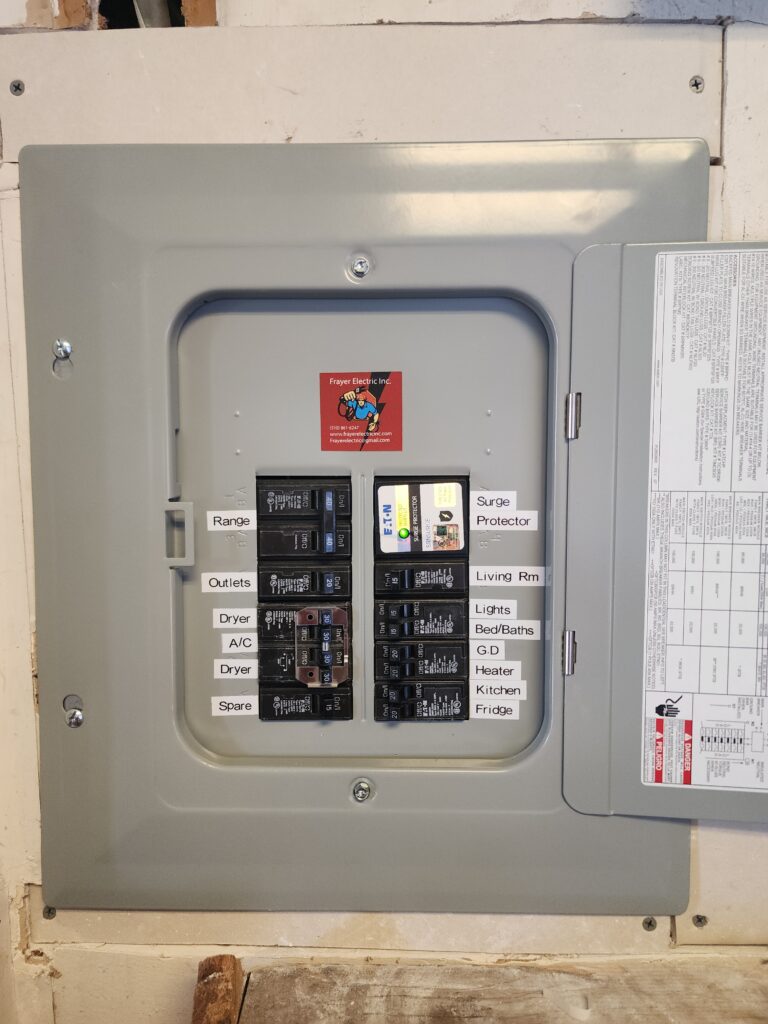
Bonding and grounding rules are especially strict for underground wiring, since the system must safely handle fault currents and lightning surges. The grounding electrode system ties the panel, water pipe, and ground rods together according to code. Buried conductors must be bonded properly at both ends, and metallic conduit runs need continuous grounding paths. Mistakes in this area can lead to shock hazards, equipment damage, and failed inspections. A licensed electrician follows the code book closely and tests the grounding system before energizing the circuit. This careful approach is what makes a buried installation truly safe for the long haul.
Trenching, Conduit, and Conductor Choices for Underground Wiring
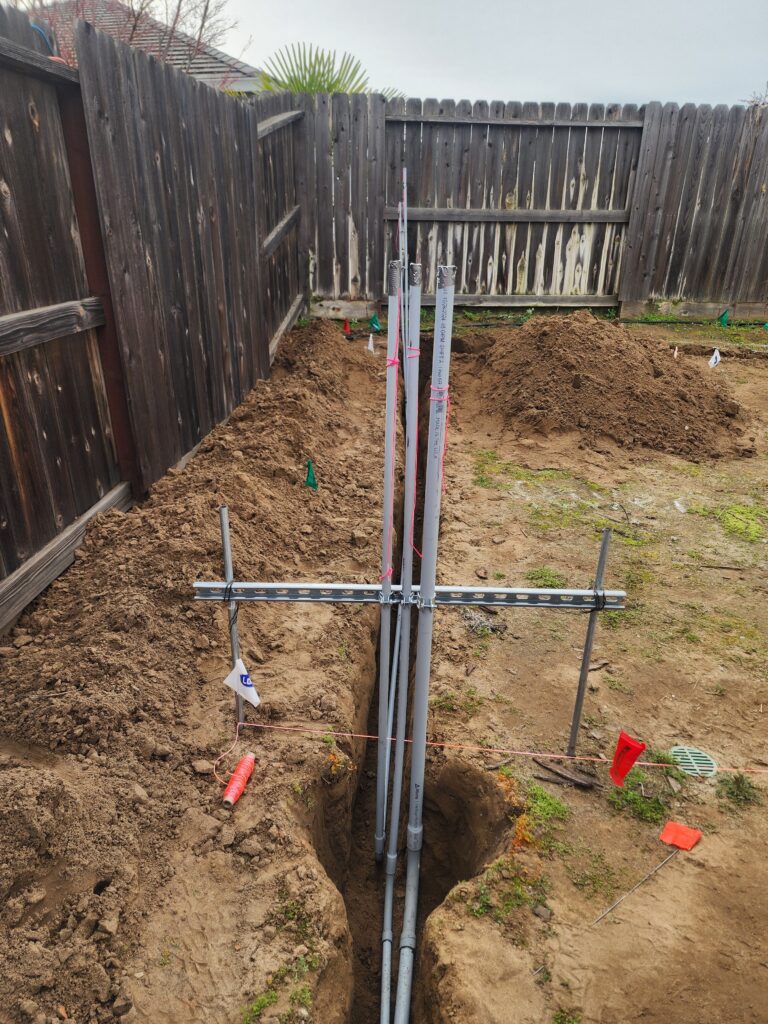
Trenching is the most visible part of an underground wiring job, and the work needs to be done with care to protect existing landscaping, irrigation, and other utilities. Before any shovel hits the ground, the electrician calls 811 to mark public utilities and uses private locators for sprinkler lines, low-voltage cabling, and septic systems. The trench is cut to the correct depth, with smooth walls and a sand or fine soil bed to protect the conduit. Warning tape is placed above the conduit so future diggers get a clear signal before reaching the wiring. Backfill is compacted in layers to prevent settling that could stress the conduit over time. This careful trenching protects the install and the rest of the yard at the same time.
Conduit choice depends on the load, the run length, and the conditions along the path. Schedule 40 PVC is the most common choice for residential underground wiring in Hughson, Keyes, and French Camp because it resists corrosion and handles soil contact well. Schedule 80 PVC is used where the conduit comes out of the ground or runs under high-traffic areas. Rigid metal conduit may be required for certain crossings or commercial applications. The conduit size must match the conductor count and ampacity, with enough room for future pulls if expansion is planned. Proper conduit selection keeps the system code-compliant and easy to upgrade later.
Conductor selection is equally important, since underground runs often carry heavy loads to subpanels, pools, and detached structures. Copper and aluminum are both used, with sizing based on the load, the distance, and the allowable voltage drop. Direct-burial-rated cables like USE-2 or RHH/RHW-2 are common for buried applications, and they must be sized correctly to avoid overheating. Long runs need larger conductors to keep voltage drop under three percent for branch circuits and five percent for feeders. A licensed electrician runs the calculations and chooses conductors that match both the load and the future demand. This level of detail prevents nuisance problems and supports clean, steady power across the yard.
How a Licensed Electrician Plans Your Underground Wiring Project
Planning an underground wiring project starts with a clear conversation about the goals, the loads, and the future plans for the property. The electrician reviews the existing panel, checks the available capacity, and recommends an upgrade if needed. Homeowners often combine underground wiring projects with electrical panel upgrades to make sure the main service can handle new loads from pools, EV chargers, or detached shops. This combined approach saves money on trips, permits, and inspections. It also gives the homeowner a single point of contact for the whole project from start to finish.
Site planning involves mapping the trench route, marking obstacles, and choosing the best path for the conduit. The electrician walks the property with the homeowner to confirm landscaping concerns, future build plans, and access for trenching equipment. Detailed measurements are taken, and the route is sketched out with depth, length, and termination points clearly noted. This planning step prevents surprises during the dig and keeps the project moving smoothly. It also gives the homeowner a clear visual of what to expect on installation day.
Scheduling and coordination round out the planning phase, with the electrician handling the permit, the inspection requests, and any coordination with the utility company. Trenching is timed to avoid wet soil conditions that can complicate the dig and damage the yard. The homeowner is given a clear timeline, a written quote, and a list of any prep steps to complete before work begins. Communication stays open through the project so any changes or questions can be handled quickly. This level of planning is what makes the difference between a smooth install and a stressful one.
Why You Need a Trusted Electrician for Underground Wiring in the Central Valley
Underground wiring is a long-term investment, and the quality of the installation determines how well it performs for the next twenty to forty years. Hiring a licensed, insured, and experienced electrician protects your home, your warranty, and your peace of mind. The Central Valley has unique soil conditions, weather patterns, and code requirements that demand local expertise. A trusted local team knows what works in Patterson, Modesto, and Turlock soil, and they know how to navigate the permit process in each city. Choosing the right contractor up front saves money, time, and stress over the life of the system.
How the Right Electrician Protects Your Underground Wiring Investment
A skilled electrician brings the training, tools, and code knowledge needed to install underground wiring that lasts for decades. They use proper trenching equipment, approved materials, and tested methods that meet or exceed code. Cutting corners on burial depth, conduit type, or grounding leads to failures that can cost thousands to repair later. A trusted pro stands behind their work with a warranty and clear documentation. This protection gives the homeowner real value beyond the basic install price.
Insurance and licensing are non-negotiable for any underground wiring project. A licensed contractor carries liability coverage, workers compensation, and the bonding required by California law. This protects the homeowner from claims if a worker is injured or if property damage occurs during the dig. Unlicensed work also voids most homeowners insurance policies and can create resale problems. Always ask for the C-10 license number, proof of insurance, and references from recent buried wiring projects.
Experience with the specific type of project matters just as much as general electrical knowledge. Underground wiring for a pool, an EV charger, or a detached shop each has unique code rules and load calculations. A specialist who has done dozens of similar installs will spot problems before they happen and recommend smart upgrades along the way. This experience shows up in the small details that make a system reliable for the long haul. Choosing the right pro is the single biggest factor in a successful project.
How to Choose the Right Underground Wiring Electrician in Patterson
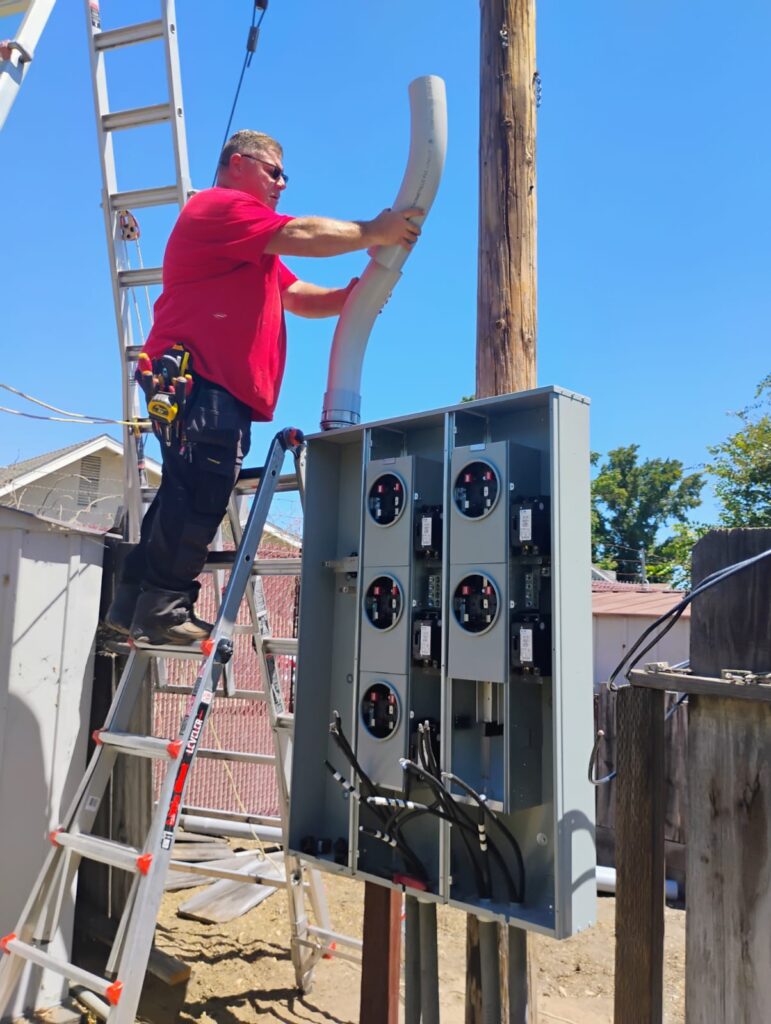
Start by checking the contractor license at the California Contractors State License Board website, where you can confirm the C-10 electrical classification and the active status. Read reviews on Google, Yelp, and the Better Business Bureau to see how the company handles real projects and real customers. Ask for photos of recent underground wiring jobs, including trench shots, conduit work, and finished panels. A reputable electrician will be proud to share their work and walk you through their process. This research step takes a little time but pays off in confidence and quality.
Get written quotes from at least two or three licensed electricians for the same scope of work. The quote should include the trench length, conduit type, conductor size, permit fees, inspection costs, and cleanup expectations. Beware of bids that come in far below the others, since they often skip permits, use undersized materials, or cut corners on grounding. A fair, detailed quote shows that the contractor has thought through the job and is prepared to deliver quality work. Clear communication during the quoting phase is a strong sign of how the whole project will go.
Ask about timelines, payment schedules, and warranty terms before signing any contract. A trusted electrician will offer a reasonable deposit, a clear payment plan, and a written warranty on both labor and materials. They will also explain how change orders are handled if the trench hits unexpected obstacles like rock or old utilities. These business practices protect the homeowner and keep the project on track from start to finish. Want to schedule a quote with a licensed local pro? Click here to learn about our full range of electrical services.
Why Choose Frayer Electric for Your Underground Wiring Project
Frayer Electric is a locally owned and operated electrical company based in Patterson, serving Modesto, Turlock, Tracy, Manteca, and the rest of the Central Valley with integrity and skill. The team is fully licensed, insured, and trained in the latest California electrical code requirements for underground wiring. Every project starts with a straightforward quote, no hidden fees, and a clear scope of work that the homeowner can review and approve. This honest approach has earned Frayer Electric a strong reputation across Stanislaus, Merced, and San Joaquin counties. Customers know what to expect from the first call to the final walk-through.
Frayer Electric offers veteran, senior, and first responder discounts as a thank-you to the community members who serve and support the Central Valley. The team is also available 24/7 for emergency electrical service, which matters when buried circuits develop a problem at an inconvenient hour. Every job is backed by clear warranties, detailed documentation, and a commitment to getting it done right every time. The crew respects the property, cleans up thoroughly, and treats every yard like their own. These habits add up to a customer experience that keeps homeowners coming back for future projects.
The combination of local expertise, honest pricing, and skilled workmanship makes Frayer Electric a smart choice for any underground wiring project in the Central Valley. Call (209) 961-3867 or email info@frayerelectricinc.com to schedule a consultation at 432 Peregrine Dr, Patterson, CA 95363. The team will walk the property, review the goals, and provide a written quote that covers every detail of the work. Buried wiring is a long-term investment, and Frayer Electric delivers the quality and reliability that families across the Central Valley have trusted for years. Reach out today to start planning a safer, cleaner, more reliable electrical system for your home.