How to Keep Your Electrical Panel Cool in Hot Weather
Central Valley summers push electrical panels to their absolute limit, and Patterson homeowners often discover the hard way that heat is one of the biggest enemies of a healthy electrical system. When outdoor temperatures climb past 100 degrees, your electrical panel works harder than ever to manage the load from air conditioners, pool pumps, and refrigerators running nonstop. A hot electrical panel can trip breakers, melt insulation, and even spark a fire inside your home. Keeping your electrical panel cool in hot weather is not just about comfort; it is about safety, energy efficiency, and protecting the heart of your home’s electrical system. This guide walks you through why panels overheat, how to keep them cool, and when to call a licensed electrician for help. Frayer Electric has spent years helping Central Valley families protect their homes from heat-related electrical issues, and we want you to have the right information before summer hits its peak. Understanding how your electrical panel handles heat will save you money, prevent damage, and keep your family safe during the hottest months of the year.
Why Your Electrical Panel Overheats in Hot Weather
Electrical panels are designed to handle a specific load, but extreme heat reduces that capacity in ways most homeowners do not realize. When the air around your panel gets hot, the breakers inside lose their ability to dissipate heat, which causes them to trip more often or fail entirely. Direct sunlight on an outdoor panel can push the internal temperature 20 to 30 degrees higher than the surrounding air. Combine that with the heavy electrical demand of summer cooling systems, and you have a recipe for serious problems. Knowing the causes of panel overheating helps you spot warning signs before they turn into expensive repairs or dangerous failures. Frayer Electric sees a spike in panel-related calls every July and August, and most of those issues trace back to heat exposure.
The Main Causes of an Overheating Electrical Panel
Direct sunlight is the leading cause of overheating in residential electrical panels across the Central Valley, especially for homes with west-facing or south-facing exterior walls. When the metal cabinet of your panel absorbs sunlight all afternoon, the temperature inside can climb well above the safe operating range for breakers and wiring. This kind of sustained heat exposure weakens the components inside your panel over time, leading to premature failure and unexpected power outages. Older panels with worn insulation are even more vulnerable to heat damage, since the materials inside have already started to break down from years of use. Homes built before 1990 often have panels that were not designed to handle today’s electrical loads, making them especially prone to overheating during hot weather. A simple visual inspection by a qualified electrician can reveal heat damage that homeowners would never notice on their own.
Heavy electrical loads during summer months also push panels past their thermal limits, particularly when multiple high-draw appliances run at the same time. Air conditioners alone can pull 15 to 30 amps continuously, and adding pool pumps, electric ovens, dryers, and EV chargers to the mix creates serious strain on your main panel. Every amp of current generates heat inside the breakers and bus bars, and that heat has nowhere to go when the surrounding air is already hot. Loose connections inside the panel make the problem worse, since loose wires create resistance that generates even more heat. Over time, this cycle of heat and load wears down the internal components and can lead to arc faults, burned wires, or complete panel failure. Frayer Electric recommends a load assessment for any home that has added major appliances in the last few years.
Poor ventilation around the electrical panel traps heat and prevents the cabinet from cooling down naturally between cycles. Many homeowners stack boxes, shelving, or outdoor equipment too close to their panel, which blocks airflow and creates a hot pocket of stagnant air. Garages without insulation or ventilation can reach 120 degrees in the afternoon, and any panel installed inside that space inherits all of that heat. Outdoor panels mounted in enclosed alcoves or behind landscaping suffer from the same problem, since plants and structures trap heat against the cabinet. Clearing the area around your panel and improving ventilation gives the system room to breathe and helps it stay within safe operating temperatures. If your panel feels warm to the touch on a hot day, that is a clear sign the ventilation around it needs improvement.
The Warning Signs of an Overheating Electrical Panel
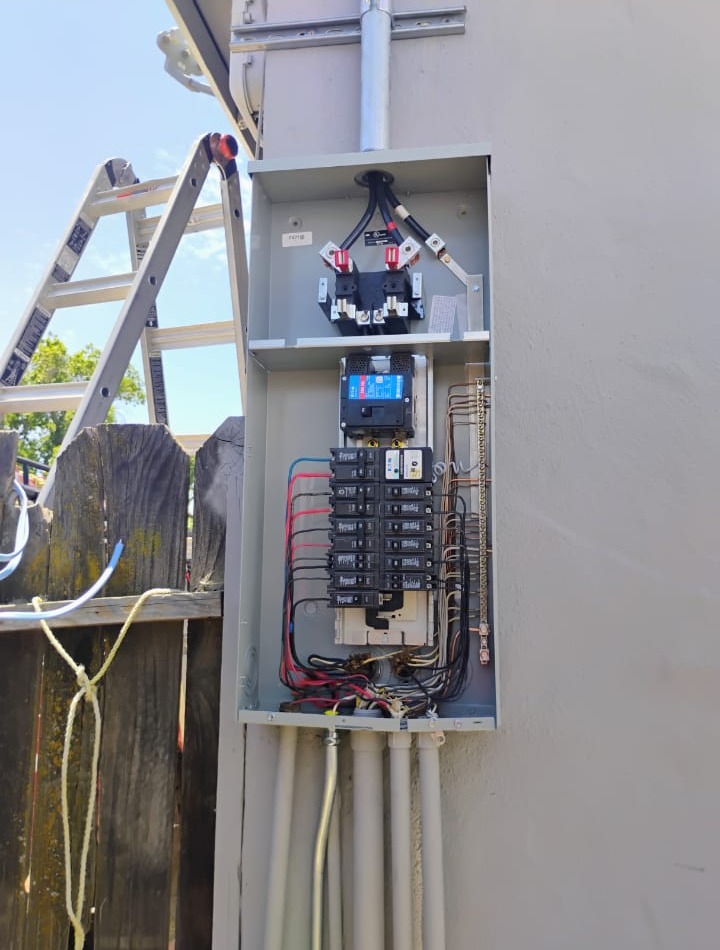
A warm or hot electrical panel cover is one of the earliest warning signs that something is wrong with your electrical system during hot weather. The panel cover should never feel hotter than the surrounding air, and any noticeable warmth indicates excessive heat buildup inside the cabinet. Discoloration around the breakers or on the panel cover itself often shows up as yellowing, browning, or dark scorch marks, which means heat damage has already started to occur. A burning smell coming from the panel area is an immediate red flag and should prompt you to shut off the main breaker and call an emergency electrician right away. These visual and sensory clues are your first line of defense against catastrophic panel failure, so pay attention to any changes you notice during the summer months. Frayer Electric responds to these emergencies throughout the Central Valley, and we always recommend treating a hot panel as a serious safety concern.
Frequent breaker trips during hot weather are another major warning sign that your electrical panel is struggling to handle the heat and the load at the same time. Breakers are designed to trip when they sense excessive current, but heat also affects their sensitivity and can cause them to trip at lower amperage than normal. If you notice your air conditioner breaker tripping during the hottest part of the day, the problem is likely a combination of heavy load and thermal stress on the breaker itself. Resetting the breaker without addressing the underlying heat issue only puts more wear on the component and increases the risk of permanent damage. A qualified electrician can test each breaker to determine if heat damage has compromised its ability to function properly. Repeated breaker trips during summer months are not a normal occurrence and always deserve professional attention.
Buzzing, humming, or crackling sounds coming from your electrical panel are serious warning signs that something is wrong inside the cabinet. These noises typically indicate loose connections, arcing electricity, or damaged components, all of which are made worse by hot weather conditions. Arcing inside a panel can reach temperatures of several thousand degrees in a fraction of a second, which is more than enough to start a fire inside your walls. Dim or flickering lights throughout your home during peak summer hours can also point to panel problems, since heat affects the electrical connections that distribute power to your circuits. If you experience any of these symptoms, shut off the main breaker and call a licensed electrician immediately to inspect your panel. Need an emergency electrician fast? Click here for our emergency electrician service.
The Long-Term Damage Heat Causes to an Electrical Panel
Sustained heat exposure breaks down the insulation on wires inside your electrical panel, which is one of the most dangerous long-term effects of summer heat on residential electrical systems. Wire insulation is rated for specific temperature ranges, and exceeding those limits causes the material to become brittle, crack, or melt away from the copper conductor. Once insulation fails, bare wires can touch each other or the metal cabinet, creating short circuits that lead to fires or major panel damage. This kind of damage is often invisible from the outside, which is why regular electrical inspections matter so much for older homes. A licensed electrician can identify heat-damaged insulation during a routine check and replace the affected wiring before it causes a serious problem. Patterson homes built in the 1980s and earlier are particularly vulnerable to this kind of degradation.
Heat also damages the bus bars and breaker connections inside your electrical panel, leading to a condition called thermal cycling fatigue. Every time the metal components heat up and cool down, they expand and contract slightly, which loosens connections over time. Loose connections create resistance, resistance generates more heat, and the cycle accelerates damage with each summer that passes. Eventually, the bus bars can develop pitting, corrosion, or burn marks that compromise the integrity of the entire panel. Once this kind of damage occurs, the only safe solution is a complete electrical panel replacement performed by a qualified electrician. Frayer Electric handles panel replacements throughout the Central Valley and can recommend the right size panel for your home’s current and future electrical needs.
Breakers themselves suffer from heat damage in ways that affect their ability to protect your home from electrical fires. The internal trip mechanism of a breaker relies on precise calibration, and sustained heat exposure throws off that calibration over time. A heat-damaged breaker might fail to trip during an overload, allowing dangerous levels of current to flow through your wiring without any interruption. This kind of silent failure is especially dangerous because homeowners have no way to know their breakers are compromised until something goes wrong. Regular testing by a licensed electrician catches these problems early and ensures every breaker in your panel functions exactly as designed. Want a thorough electrical inspection? Click here for our electrical inspection service.
How to Keep Your Electrical Panel Cool During Hot Weather
Keeping your electrical panel cool during Central Valley summers requires a combination of smart planning, simple maintenance, and professional attention when needed. The good news is that most cooling strategies are straightforward and affordable, especially when compared to the cost of replacing a damaged panel. Outdoor panels need protection from direct sunlight, while indoor panels need proper ventilation and clear space around them. Reducing the overall electrical load during peak heat hours also helps your panel run cooler and last longer. Frayer Electric works with homeowners across Patterson, Modesto, Tracy, and the surrounding areas to implement these strategies and protect their electrical systems from heat damage. Taking action before the worst summer heat arrives is always cheaper and easier than dealing with a panel failure in the middle of August.
Simple Ways to Keep Your Electrical Panel Cool
Shading your outdoor electrical panel is one of the most effective ways to reduce heat exposure and keep the internal temperature within safe limits. A simple sun shield or awning installed above the panel blocks direct sunlight and can lower the surface temperature by 20 to 40 degrees on a hot afternoon. The shade structure should not touch the panel itself or restrict access for maintenance and emergency shutoff. Light-colored panel covers also help by reflecting sunlight instead of absorbing it, which keeps the metal cabinet noticeably cooler throughout the day. Some homeowners plant trees or shrubs to provide natural shade, but plants need to stay at least three feet away from the panel to allow proper airflow and access. A licensed electrician can recommend the best shading solution for your specific panel location and orientation.
Improving ventilation around your electrical panel makes a huge difference in how well it handles summer heat, especially for panels located in garages or utility rooms. Installing a vent fan in the garage or attic helps move hot air out of the space and brings cooler outside air in, which reduces the ambient temperature around your panel. Keeping the area within three feet of the panel completely clear of stored items, shelving, or equipment allows heat to dissipate naturally from the cabinet. If your panel is mounted on an exterior wall that gets full sun, consider adding insulation to the wall behind the panel to reduce heat transfer from outside. Proper ventilation also helps prevent moisture buildup, which can cause its own set of problems for electrical components. Frayer Electric can assess your panel’s location and recommend ventilation improvements that fit your home’s layout.
Reducing your electrical load during the hottest hours of the day takes pressure off your panel and helps it run cooler when temperatures peak. Run major appliances like dishwashers, washing machines, and dryers in the early morning or late evening instead of the middle of the afternoon. Set your air conditioner to a slightly higher temperature during peak hours to reduce its run time and lower the current flowing through your panel. Unplug devices you are not actively using, since many electronics draw small amounts of power even when turned off. Installing energy-efficient appliances and LED lighting throughout your home also reduces the overall load on your panel, which translates directly to lower operating temperatures. These small changes add up to significant heat reduction inside your electrical panel during the hottest months.
Professional Solutions to Keep Your Electrical Panel Cool
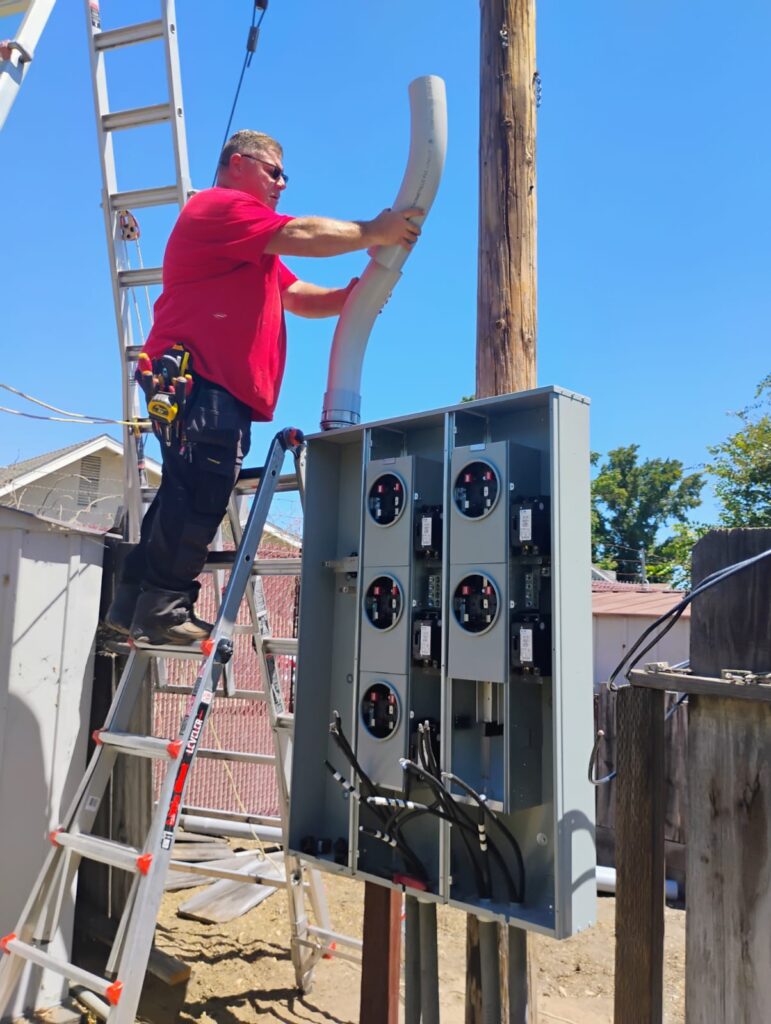
A panel upgrade is often the best long-term solution for homes with outdated electrical panels that struggle during hot weather. Older panels rated for 100 amps or less were not designed to handle modern household loads, and they overheat much faster than newer 200-amp panels. Upgrading to a larger panel gives your electrical system more capacity to handle summer demand without pushing components to their thermal limits. Modern panels also use better materials and design features that dissipate heat more efficiently than panels from 20 or 30 years ago. A licensed electrician can evaluate your current panel and determine if an upgrade is the right move for your home. Frayer Electric handles electrical panel upgrades throughout the Central Valley and uses only top-quality components that meet or exceed current code requirements.
Installing a whole house surge protector at your main panel adds another layer of defense against summer electrical problems, since power surges generate heat inside your panel every time they occur. Central Valley summers bring frequent grid fluctuations as utility companies struggle to meet peak demand, and each surge stresses the components inside your panel. A surge protector at the panel level absorbs these voltage spikes before they reach your breakers and wiring, reducing the cumulative heat damage your panel experiences over time. This kind of protection also shields your appliances and electronics from damage, which adds up to significant savings over the life of your electrical system. Surge protection is especially important for homes with solar panels, EV chargers, or other high-tech equipment. Need surge protection installed? Click here for our whole house surge protection service.
Tightening connections and replacing worn breakers during an annual electrical inspection prevents the heat buildup that comes from loose or degraded components. Every connection inside your panel needs to be torqued to specific manufacturer specifications, and those connections loosen slightly over time due to thermal cycling. A licensed electrician uses calibrated tools to check and tighten every connection, eliminating the resistance points that generate excessive heat. Breakers that show signs of wear or heat damage get replaced with new units, restoring the panel to like-new condition. This kind of preventive maintenance costs far less than a full panel replacement and dramatically extends the life of your existing electrical system. Frayer Electric recommends scheduling this kind of inspection every spring before the hottest months arrive.
How to Plan Ahead for Hot Weather Electrical Panel Care
Scheduling a spring electrical inspection sets the foundation for a cool and safe electrical panel throughout the summer months. A thorough inspection identifies any heat damage from previous summers, loose connections, undersized components, or other issues that could cause problems during peak heat. The electrician will use thermal imaging tools to detect hot spots inside the panel that are not visible to the naked eye, giving you a complete picture of your panel’s health. Any issues found during the inspection can be addressed before summer arrives, which means your panel goes into the hot months in the best possible condition. This kind of proactive approach saves money, prevents emergencies, and gives you peace of mind during the hottest weeks of the year. Patterson homeowners who invest in spring inspections rarely deal with summer panel failures.
Creating a load management plan for your home helps you distribute electrical demand more evenly throughout the day, which keeps your panel running at lower temperatures. List every major appliance in your home and note when each one typically runs, then look for opportunities to shift heavy loads away from the hottest hours. Smart home systems can automate this kind of load management by scheduling appliances to run during off-peak times when temperatures are lower and electricity costs less. Installing dedicated circuits for high-draw appliances like EV chargers and pool pumps also reduces strain on your main panel by spreading the load across more breakers. A licensed electrician can help you design a load management strategy that fits your home and your family’s daily routine. Frayer Electric has helped Central Valley families implement these plans for years, and the results show up in both lower bills and cooler panels.
Investing in panel monitoring technology gives you real-time information about your electrical system’s performance, including temperature data that helps you spot problems early. Smart panels and aftermarket monitoring devices track current flow, voltage, and temperature on every circuit in your home, sending alerts to your phone when something looks wrong. This kind of visibility helps you identify circuits that run hot, appliances that draw more current than expected, and patterns that point to developing problems. Catching these issues early means you can address them with a simple service call instead of an emergency replacement. The cost of panel monitoring has dropped significantly in recent years, making it an affordable upgrade for most homeowners. Want help upgrading your electrical panel? Click here for our electrical panel upgrade service.
Why You Need a Licensed Electrician to Keep Your Electrical Panel Cool
Working inside an electrical panel is dangerous work that requires training, experience, and the right tools to do safely. The bus bars inside your panel carry live current even when the main breaker is off, since power comes into the panel from the utility company before it reaches the main breaker. One wrong move inside a live panel can result in serious injury, death, or major damage to your home’s electrical system. A licensed electrician knows how to work safely inside panels, identify problems accurately, and make repairs that meet current code requirements. Frayer Electric brings decades of combined experience to every panel job in the Central Valley, and we treat every home like it belongs to a member of our own family.
A Licensed Electrician Knows How to Keep Your Electrical Panel Cool
Licensed electricians have the training and certification to diagnose panel problems quickly and accurately, which saves you time and money compared to trial-and-error troubleshooting. Our team has seen every kind of panel issue the Central Valley summer can throw at a home, and we know exactly what to look for during an inspection or repair. We use professional-grade tools like thermal imaging cameras, clamp meters, and torque wrenches to perform work that meets the highest standards in the industry. Every job comes with a straightforward quote and no hidden fees, so you know exactly what you are paying for before we start work. We pull the proper permits for any panel work that requires them, ensuring your home stays compliant with local codes and insurance requirements.
A licensed electrician also understands the specific challenges that Central Valley weather presents to residential electrical panels, from intense summer heat to occasional winter storms. We know which panel brands and models hold up best in this climate, and we recommend products based on real-world performance rather than manufacturer marketing claims. Our experience with local building codes means your panel work passes inspection the first time, every time. We coordinate with your utility company when needed to ensure smooth service interruptions and reconnections during major panel work. Frayer Electric stands behind every job with strong warranties on both parts and labor, giving you confidence in the work we perform.
Hiring a licensed electrician also protects your homeowner’s insurance coverage, since most policies require professional installation and repair for any work done on your main electrical panel. Insurance companies often deny claims for fires or damage caused by unpermitted or unlicensed electrical work, leaving homeowners on the hook for repairs that should have been covered. Our team documents every job thoroughly and provides you with copies of all permits, inspections, and warranty paperwork. This documentation proves invaluable if you ever sell your home or file an insurance claim related to your electrical system. Working with a licensed professional is always the smart choice when it comes to your home’s main electrical panel.
Professional Maintenance Helps Keep Your Electrical Panel Cool
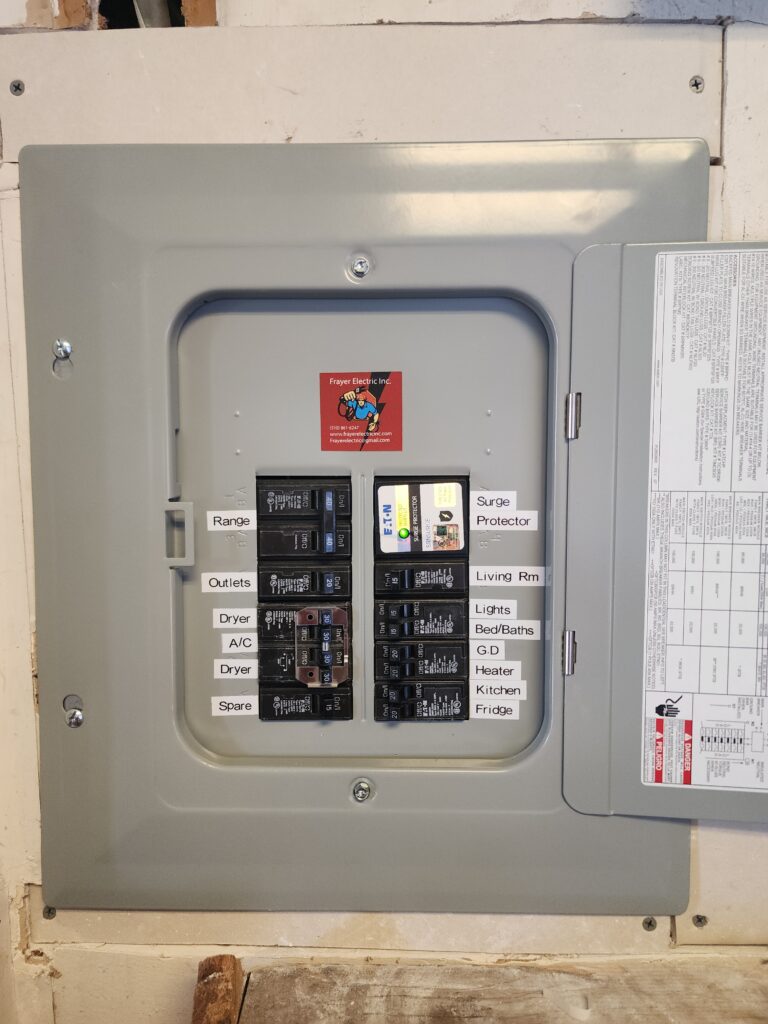
Annual maintenance from a licensed electrician keeps your electrical panel running at peak efficiency, which means lower operating temperatures and a longer service life. Our maintenance service includes torque checks on every connection, visual inspection of all components, thermal imaging to spot hot spots, and testing of every breaker in your panel. We document our findings and provide you with a written report that shows the condition of your panel and any recommendations for repairs or upgrades. This kind of detailed record keeping helps you track the health of your electrical system over time and plan for future investments. Most homeowners find that annual maintenance costs far less than the repairs they would face from neglected panels.
Preventive maintenance also catches small problems before they turn into major emergencies, especially during the hot summer months when panels are under the most stress. A loose connection that costs a few dollars to tighten in April could cause a fire in August if left untreated. Worn breakers that fail to trip properly during an overload create serious safety risks for your family and your home. Our team identifies these issues during routine maintenance and recommends repairs that fit your budget and timeline. Frayer Electric treats every customer like a neighbor, because most of them are. Need a circuit breaker repair? Click here for our circuit breaker repair service.
Maintenance contracts with Frayer Electric give you priority service, discounted rates, and peace of mind throughout the year. Our maintenance customers receive automatic reminders when their next inspection is due, so you never have to think about scheduling on your own. We keep detailed records of every visit, which makes future service calls faster and more efficient. Maintenance customers also receive priority response during summer heat emergencies, when demand for electrical services is at its highest. This kind of relationship building is what makes us different from larger national chains, and it is why so many Central Valley families call us first when they need electrical help.
Why Choose Frayer Electric to Keep Your Electrical Panel Cool
Frayer Electric is licensed and insured, and we offer veteran, senior, and first responder discounts to honor those who serve our communities. Our team is locally owned and operated, which means every job we do reflects our reputation in the Patterson area and the surrounding Central Valley. We provide straightforward quotes with no hidden fees, so you always know what to expect before we start any work on your electrical panel. Our 24/7 emergency service means you never have to wait until Monday morning when your panel fails on a hot Saturday afternoon. Every member of our team is committed to getting the job done right the first time, every time.
We understand the unique electrical challenges that Central Valley homeowners face, from triple-digit summer temperatures to the growing demand for EV chargers and solar panels. Our team stays current on the latest code requirements, equipment options, and installation techniques to deliver the best possible results for every customer. We work on panels of every size and age, from small starter homes to large estates with complex electrical needs. Whatever your situation, we have the experience and expertise to keep your electrical panel cool, safe, and reliable throughout the hottest months of the year. Our long list of satisfied customers across Patterson, Modesto, Tracy, Manteca, and the surrounding communities speaks to the quality of our work.
Call Frayer Electric at (510) 861-6247 to schedule your electrical panel inspection, upgrade, or emergency service today. You can also reach us by email at info@frayerelectricinc.com for non-urgent questions or to request a quote. Our office is located at 432 Peregrine Dr in Patterson, and we serve communities throughout the Central Valley with the same commitment to quality and integrity that built our reputation. Trust the team that treats your home like our own, and let us help you keep your electrical panel cool this summer. Frayer Electric is ready to help you protect your home, your family, and your investment with professional electrical services you can count on.