How to Reduce Your Energy Bill with Smarter Wiring
Energy costs are a constant conversation topic for homeowners in Patterson. As rates fluctuate and the demand for electricity in the modern home increases, seeing the monthly utility bill can often be a source of frustration. Most advice on lowering these costs focuses on behavioral changes: turning off lights when you leave a room, setting the thermostat a few degrees higher in the summer, or running the dishwasher only when it is full. While these habits are certainly helpful, they address the symptoms of energy usage rather than the infrastructure that delivers it. There is a fundamental component of energy efficiency that is often overlooked because it is hidden behind the walls: the electrical wiring itself.
The efficiency of your home is directly tied to the quality and design of its electrical system. Wiring is not just a passive conduit; it is a transportation system for energy. Just as a leaking pipe wastes water, a poorly designed or outdated electrical system wastes electricity. This waste typically manifests as heat. When electricity encounters resistance—whether from undersized wires, loose connections, or overloaded circuits—it converts some of that valuable energy into heat rather than powering your appliances. This “line loss” means you are paying for electricity that never actually does any work for you. By modernizing your wiring and adopting smarter electrical strategies, you can minimize this invisible waste, improve the performance of your appliances, and ultimately reduce your monthly energy expenditure.
Optimizing Efficiency with Dedicated Circuits
One of the most effective ways to improve the electrical efficiency of a home is through the strategic installation of dedicated circuits. In many older homes, multiple heavy appliances might share a single general-purpose circuit. For example, a refrigerator might be on the same line as the kitchen lights and the toaster. When a large motor like a refrigerator compressor kicks on, it creates a momentary surge in demand. If the circuit is shared, this demand can cause a voltage drop across the entire line. You might see this as the lights dimming for a split second. While this seems like a minor annoyance, it forces the motors in your appliances to work harder. An electric motor running on lower-than-rated voltage must draw more amperage to do the same amount of work, which increases heat generation and energy consumption.
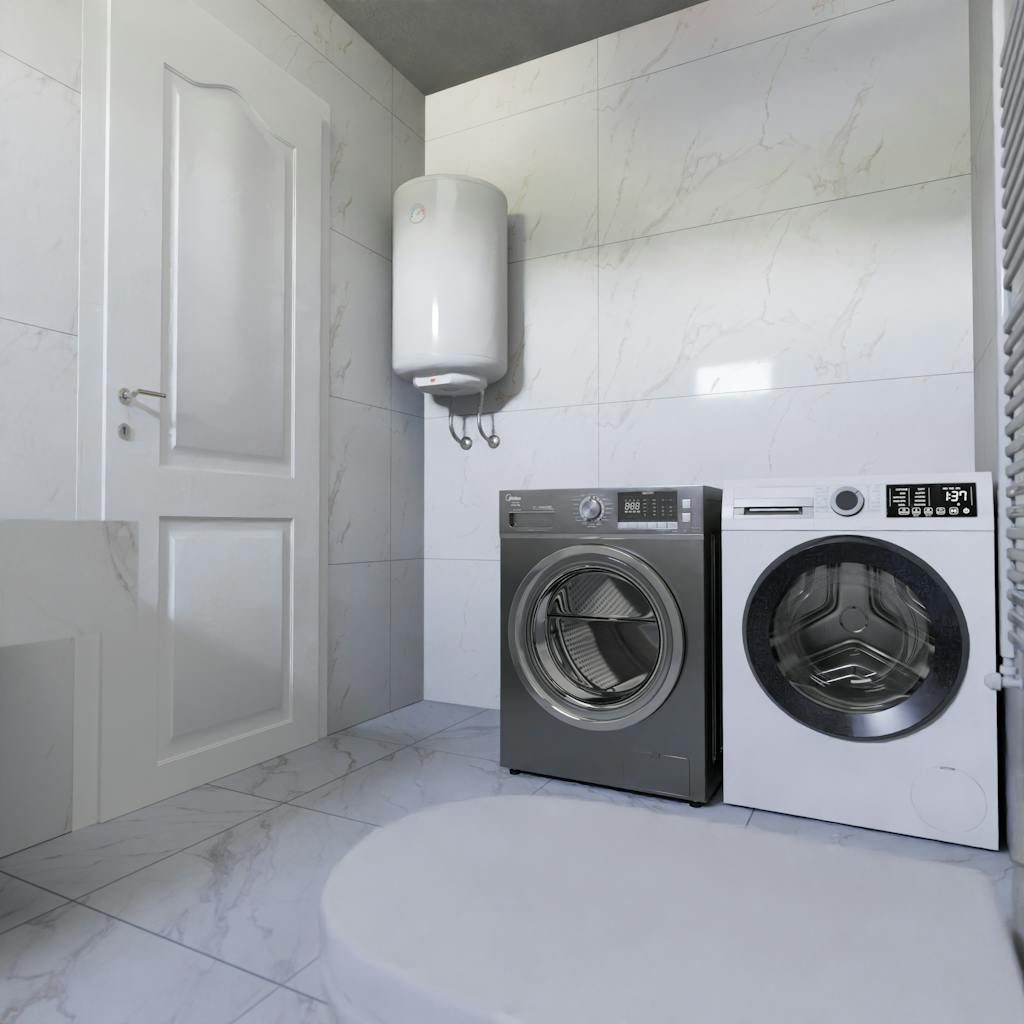
By installing dedicated circuits for major appliances—such as refrigerators, freezers, microwaves, and window air conditioning units—you provide a clear, uncrowded path for electricity. This ensures that the appliance receives a consistent, stable voltage level without interference from other devices. When a motor receives clean power, it runs cooler and more efficiently. It reaches its operating speed faster and cycles off sooner. Over the lifespan of a refrigerator or a freezer, these small efficiency gains add up to significant kilowatt-hour savings. Furthermore, dedicated circuits prevent the “nuisance tripping” of breakers, which often leads homeowners to rely on inefficient extension cords or workarounds that waste even more energy through resistance.
Dedicated circuits are particularly important for modern, high-efficiency appliances. Today’s washing machines, dryers, and dishwashers are designed with sophisticated electronic controls and variable-speed motors that rely on stable power to achieve their energy-star ratings. If these units are starved for voltage due to a shared circuit, they cannot operate at their peak efficiency. They may run longer cycles to compensate for the lack of power, negating the energy-saving features you paid for. Properly wiring these units on their own lines allows them to function exactly as the engineers intended, maximizing the return on your investment in modern appliances. It is a structural upgrade that supports the mechanical efficiency of your entire home.
combatting Energy Waste from Voltage Drop
For properties in Patterson that may have larger lots, detached workshops, or extensive outdoor lighting, the physical length of the electrical wire becomes a critical factor in energy efficiency. All wire has a certain amount of internal resistance. The longer the wire, the greater the resistance. When electricity travels over a long distance, this resistance causes the voltage to drop by the time it reaches the outlet or fixture. This phenomenon, known as voltage drop, is a silent thief of energy. If you have a barn or a pool pump located a hundred feet from your main panel, and it was wired with standard gauge wire suitable for a bedroom, that equipment is likely running on significantly less than 120 volts.
Need an electrical repair? Click here for our electrical repair service.
The energy lost to voltage drop is dissipated as heat along the entire length of the wire. This is essentially heating the dirt in your yard or the insulation in your attic with electricity you are paying for. To combat this, smart wiring design involves up-sizing the wire gauge for long runs. Using a thicker wire reduces the electrical resistance, allowing the current to flow more freely over distance. While the copper wire itself costs slightly more upfront, the reduction in energy loss pays for the difference over time. A pool pump running for eight hours a day on a circuit with significant voltage drop is wasting a measurable amount of electricity every single hour.
Correcting voltage drop also protects your equipment. Low voltage is the primary cause of premature motor failure. When a motor struggles to turn because the “pressure” of the electricity is too low, it generates excess internal heat. This heat degrades the winding insulation and wears out the bearings. Replacing a pool pump or a well pump is an expensive repair that erodes any savings you might have thought you were getting. By ensuring that your wiring is properly sized for the distance it covers, you ensure that 100% of the power you buy is delivered to the load, and you extend the life of your heavy-duty equipment. It is a matter of physics where proper engineering directly translates to financial savings.
The Role of Smart Panels and Monitoring
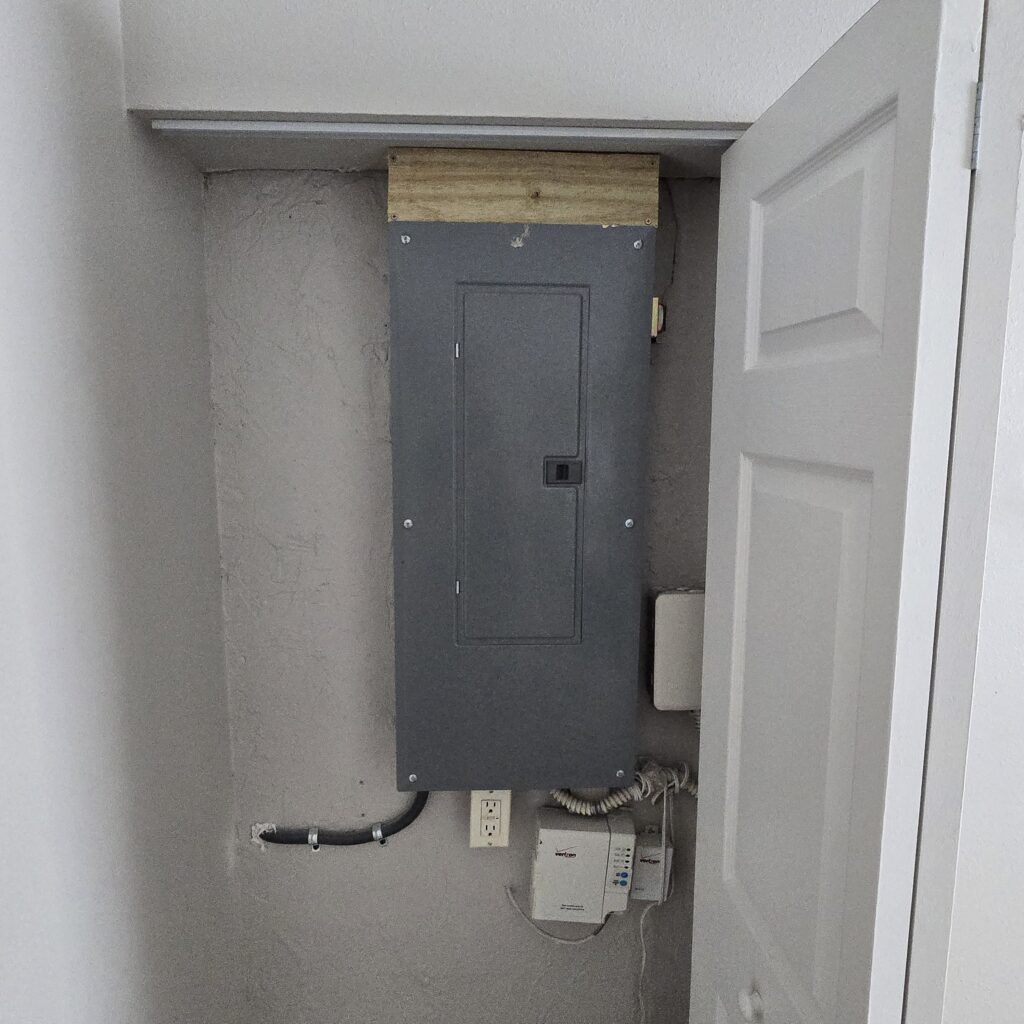
The adage “you cannot manage what you do not measure” is entirely true for home energy consumption. Traditional electrical panels are dumb devices; they distribute power but offer no feedback on how it is being used. You only find out how much energy you used when the bill arrives at the end of the month, at which point it is too late to make changes. Smarter wiring involves upgrading to a smart electrical panel or installing circuit-level energy monitors. these devices clamp around the wires inside your breaker box and transmit real-time data to your smartphone. This technology gives you a granular view of your energy habits, showing you exactly which circuits are consuming the most power and when.
This visibility allows you to identify “vampire loads.” These are devices that continue to draw power even when they appear to be turned off. Cable boxes, gaming consoles, older televisions, and computer peripherals often sit in standby mode, sipping electricity 24 hours a day. In the average home, these vampire loads can account for up to 10% of the total energy bill. With a smart monitoring system, you can see that the living room circuit is drawing 200 watts at 3:00 AM when everyone is asleep. Armed with this information, you can take targeted action, such as putting those devices on a smart power strip that cuts power completely when they are not in use, or unplugging them.
Smart panels also enable load management strategies. Some systems allow you to program circuits to turn off automatically during peak pricing hours. If your utility company charges more for electricity between 4:00 PM and 9:00 PM, you can schedule your electric water heater or pool pump to shut down during this window and run only during off-peak times. This doesn’t change the amount of electricity you use, but it drastically reduces the cost of that electricity. By integrating intelligence into the wiring center of your home, you move from being a passive consumer to an active manager of your energy resources, using automation to lower your bill without impacting your comfort.
Reducing Resistance in Older Connections
The condition of the physical connections within your electrical system plays a surprising role in energy efficiency. In older Patterson homes, the wiring may have been in place for forty or fifty years. Over time, the copper wires at switch terminals, outlet screws, and breaker lugs can oxidize. Oxidation creates a layer of corrosion that acts as an insulator, increasing the electrical resistance at that specific point. As we have established, increased resistance equals increased heat. If you have ever felt a wall plate that was warm to the touch, you have felt energy being wasted. That warmth is electricity turning into thermal energy instead of light or motion.
Want to know the benefits of LED lighting upgrades? Click here for more information.
Loose connections are another common culprit. The natural thermal expansion and contraction of wires as they heat up and cool down can cause screws to back out slightly over decades. A loose connection forces the electricity to arc or jump across the microscopic gaps, creating significant heat. In a whole-house context, dozens of slightly loose or corroded connections add up to a constant, low-level drain on your efficiency. Smarter wiring involves a comprehensive “tune-up” of the electrical system. This means checking and torquing connections to manufacturer specifications, cleaning oxidized conductors, and replacing worn-out outlets and switches.
Replacing old wiring types, such as knob-and-tube or ungrounded cloth-sheathed cable, also yields efficiency gains. These older systems were often installed with smaller gauge wire than is standard today, and the insulation has often degraded. Modern thermoplastic-insulated wire (Romex) dissipates heat better and is sized appropriately for modern loads. Furthermore, removing the splice points buried in walls—a common issue in older renovations—reduces the number of failure points where resistance can build up. A streamlined, continuous, and tight electrical path is the most efficient way to deliver power. Revitalizing the connections in your home is akin to cleaning the injectors in a car engine; it restores the system to its optimal operating capability.
Automated Lighting and Sensor Integration
Lighting accounts for a significant portion of a home’s energy budget, and while switching to LED bulbs is a great first step, smarter wiring integration takes the savings further. Humans are notoriously bad at turning lights off. We leave bathroom lights on, forget the garage light overnight, or leave the porch light burning until noon. Smarter wiring eliminates the human error factor by integrating occupancy and vacancy sensors directly into the switch boxes. An occupancy sensor turns the lights on when you walk in and, more importantly, turns them off automatically when the room is empty for a set period. Installing these in high-traffic areas like laundry rooms, hallways, and kids’ bathrooms ensures that you are never paying to light an empty room.
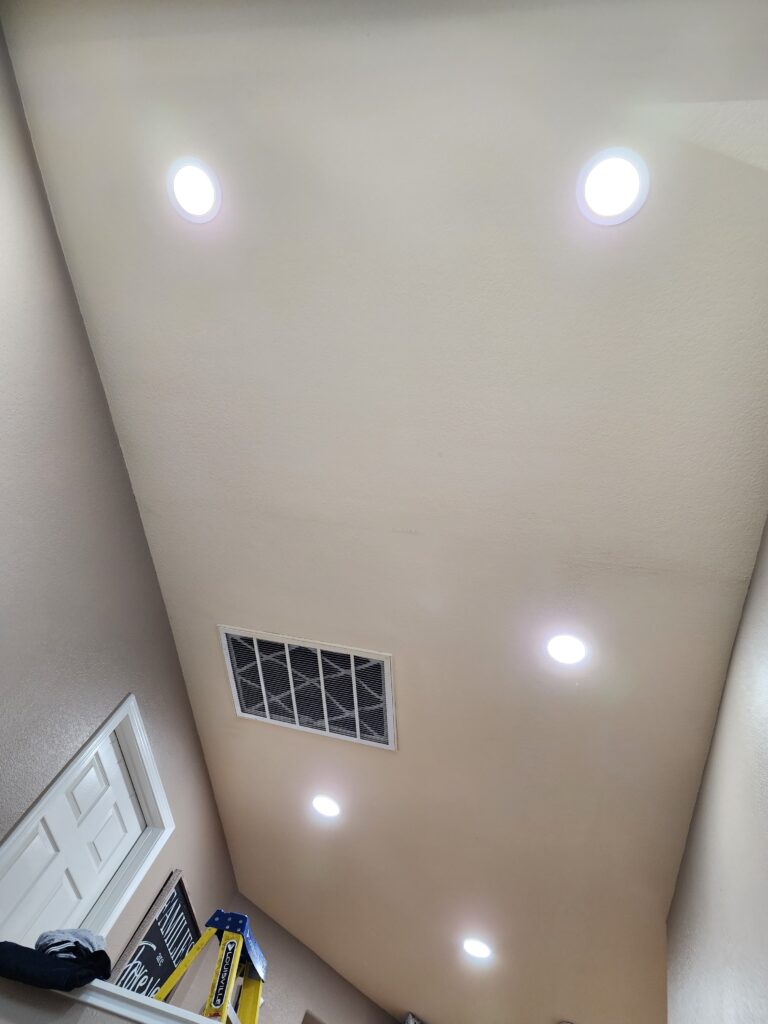
Dimmer integration is another powerful tool for reduction. A light bulb running at 80% brightness uses roughly 80% of the energy, but the difference in visible light is often negligible to the human eye. By wiring smart dimmers into your main living areas, you can set the default brightness to a lower level. Over the course of a year, trimming 20% off your lighting load in the kitchen and living room results in tangible savings. Furthermore, dimming extends the life of the LED drivers, meaning you replace bulbs less frequently, which is an additional cost saving.
Exterior lighting is often the biggest waster of energy because it runs for long durations. Smarter wiring solutions involve photocell timers or astronomical clocks that replace standard switches. An astronomical timer is programmed with your specific longitude and latitude, knowing exactly when the sun sets and rises in Patterson throughout the year. It automatically adjusts the on/off times daily, so your security lights are never on when the sun is up. This is far more precise than a standard mechanical timer that drifts and needs constant resetting. By automating the exterior, you ensure security without waste, relying on the wiring logic rather than your memory to manage the property’s illumination.
Reducing your energy bill is a multifaceted challenge that requires looking beyond the thermostat. While lifestyle adjustments are valuable, the physical infrastructure of your home—the wires, panels, and connections—dictates the baseline efficiency of your property. Smarter wiring practices, such as installing dedicated circuits, correcting voltage drop, utilizing smart monitoring, tightening connections, and automating lighting, attack energy waste at its source. These improvements stop the silent leaks of energy that occur through heat and resistance, ensuring that every kilowatt-hour you purchase is used effectively.
Investing in your electrical system is an investment in the long-term affordability of your home. As energy prices continue to trend upward, the value of an efficient system grows. A home that manages its power intelligent, delivers clean voltage to appliances, and eliminates passive waste is a home that costs less to run every single month. Frayer Electric is committed to helping homeowners in Patterson navigate these upgrades, turning complex electrical concepts into practical, money-saving realities.