
Why Permits Matter for Electrical Work
Homeowners in Patterson often view the permitting process as a bureaucratic hurdle, a mechanism designed by local government to slow down renovations and collect fees. When you are excited about a new kitchen remodel, a room addition, or upgrading your electrical panel, the thought of pausing to file paperwork and wait for inspectors can feel frustrating. It is tempting, especially for smaller projects or when hiring a “friend of a friend,” to skip this step and fly under the radar. However, this perspective overlooks the fundamental purpose of a building permit. A permit is not just a tax on construction; it is a vital legal and safety document that ensures your home is built to a standard that protects your family and your financial investment.
Electrical work, in particular, carries a unique set of risks that sets it apart from other trade work like painting or landscaping. If a painter does a poor job, you might have peeling paint or uneven lines. If an electrician does a poor job, the consequences can be catastrophic fire, electrocution, or severe damage to expensive appliances. The permit process is the system of checks and balances established to prevent these outcomes. It introduces a layer of accountability that is otherwise missing from the private transaction between a homeowner and a contractor. By insisting on a permit, you are establishing a baseline of quality and safety that adheres to the National Electrical Code and local Patterson regulations. It is the single most effective way to verify that the wires hidden behind your walls are safe, secure, and ready to power your life.
The Safety Net of Independent Inspections
The primary benefit of pulling a permit is the inclusion of an independent third-party inspector in your project. When you hire a contractor, there is an inherent conflict of interest; the contractor wants to finish the job quickly and move on to the next one to maximize profit. While reputable electricians take pride in their work, the construction industry is rife with shortcuts that can compromise safety. An electrical inspector from the city or county has no financial stake in the project. Their only priority is to ensure that the work meets the minimum safety standards set forth by the code. They act as your advocate, a second set of expert eyes that reviews the work before it is covered up by drywall and paint.
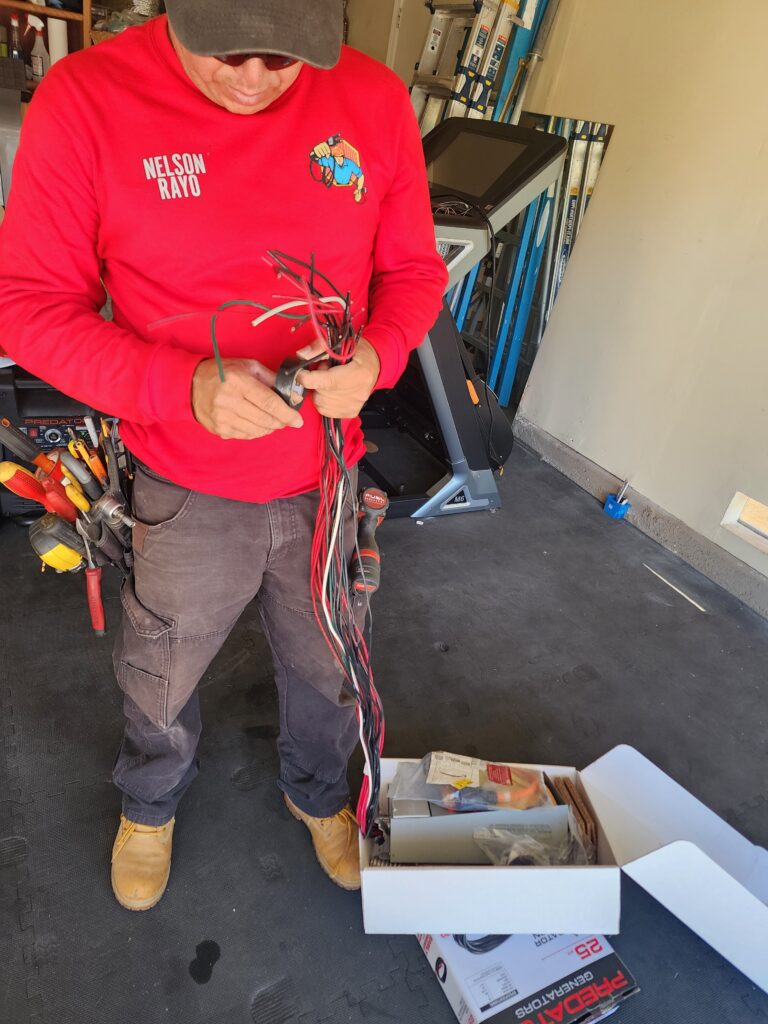
Inspectors are trained to spot hazards that the average homeowner would never notice. They look for proper wire sizing to prevent overheating, correct grounding to prevent shock, and appropriate circuit separation to prevent overloads. In an unpermitted job, these critical details are left entirely to the discretion of the person holding the screwdriver. If that person makes an honest mistake or a calculated shortcut, there is no one there to catch it until the outlet starts smoking or the breaker fails to trip. The inspection process typically involves two stages: a rough inspection, where the wires are checked while the walls are open, and a final inspection, where the finished devices and safety systems are tested. This dual-check system ensures that safety is maintained from the infrastructure level up to the user interface.
Furthermore, electrical codes are not static; they evolve constantly to address new technologies and safety data. What was considered safe twenty years ago may now be recognized as a hazard. Inspectors enforce the current code cycle, which means a permitted job utilizes the most modern safety technologies available, such as arc-fault circuit interrupters (AFCIs) and tamper-resistant outlets. These technologies have drastically reduced the number of electrical fires in the United States. By skipping the permit and the inspection, you are effectively opting out of these modern safety advancements and potentially relying on outdated, less safe installation methods. The inspector ensures that your home is not just working, but that it is working as safely as modern engineering allows.
Protecting Your Property Value and Resale Potential
Beyond the immediate safety concerns, unpermitted electrical work functions as a silent lien on your property that can cause significant headaches when it comes time to sell. Real estate disclosure laws in California are strict. When you list your home, you are legally required to disclose any work that was done without a permit. If you fail to do so and the buyer discovers it later—which they often do through city records or home inspections—you can be sued for damages or fraud. In a competitive housing market, a home with a history of unpermitted renovations is a red flag to potential buyers. It suggests that corners were cut and that the quality of the home is suspect.
Savvy buyers and their home inspectors are trained to look for signs of unpermitted work. They might notice a new panel in a garage that doesn’t appear on the city’s permit history, or modern outlets in a room that supposedly hasn’t been renovated since the 90s. When these discrepancies arise, they invariably lead to delays in closing, price reductions, or the buyer walking away entirely. Banks are also wary of lending on properties with known code violations. If an appraiser notes unpermitted electrical upgrades, the lender may refuse to fund the mortgage until the work is retroactively permitted and inspected. This puts the seller in a desperate position, forced to scramble to legalize work that should have been handled correctly years ago.
Retroactive permitting is often far more expensive and invasive than pulling the permit originally. To inspect work that has already been finished, the city may require you to tear open walls to expose the wiring. If the work was not done to code—which is common with unpermitted jobs—you will have to pay an electrician to rip it out and redo it, in addition to paying the permit fees and potential penalties. You end up paying for the job twice: once for the cheap, unpermitted work, and again to fix it, plus the cost of drywall repair and painting. By pulling a permit from the start, you are investing in a certified, transferable asset. You can hand the buyer a packet of signed-off permit cards, proving that the improvements to the home were done legally and professionally, which justifies a higher asking price and facilitates a smooth transaction.
Insurance Coverage and Liability Risks
Your homeowner’s insurance policy is designed to protect you from sudden and accidental loss, but it is a contract built on the premise that the home is maintained in a safe and legal manner. Most policies contain clauses that exclude coverage for damages resulting from illegal acts or code violations. If an electrical fire burns down your kitchen and the fire marshal determines that the cause was faulty wiring installed during an unpermitted renovation, your insurance carrier may have grounds to deny your claim. You could be left holding the bill for hundreds of thousands of dollars in reconstruction costs, simply because you tried to save a few hundred dollars on permit fees.

The liability extends beyond just property damage to personal injury. If a guest, a neighbor, or a service worker is shocked or injured due to unpermitted electrical work on your property, you could be held personally liable for their medical bills and lost wages. In a lawsuit, the fact that you bypassed the legal permitting process can be used as evidence of negligence. It demonstrates a disregard for established safety protocols. Even if the work was done by a contractor, if you knowingly authorized unpermitted work, you share in that liability. The legal shield provided by a permit is invaluable. It documents that you exercised due diligence and hired professionals to ensure the safety of your environment.
This risk is particularly acute for landlords or those who rent out properties in Patterson. Tenants have a right to a habitable and safe living environment. If a tenant suffers damages or injury due to unpermitted electrical modifications, the legal repercussions for the landlord can be severe, including punitive damages. A permit acts as an official record that the landlord met their legal obligations to provide a safe dwelling. It is a critical risk management tool that protects your assets from the unpredictable nature of electrical failures. When you view a permit through the lens of insurance and liability, it becomes clear that it is the cheapest form of financial protection available for your home renovation project.
Ensuring Contractor Accountability and Quality
Requiring a permit is the fastest way to filter out unqualified or unscrupulous contractors. A legitimate, licensed electrical contractor will never suggest skipping the permit process; in fact, they will insist on it because it protects their license and validates their work. Conversely, “handyman” types or unlicensed workers often discourage permits because they are not legally allowed to pull them, or because they know their work will not pass inspection. When a contractor tells you that a permit is “too much hassle” or “not necessary for a job this size,” they are effectively telling you that they do not want their work checked. This should be an immediate warning sign to any homeowner.
Want to know why to invest in a home EV charger? Click here for more information.
The permit process forces the contractor to be accountable to the code. They know that an inspector will be looking at every connection, every staple, and every ground wire. This psychological factor drives higher quality workmanship. Even a good electrician is more meticulous when they know their work will be graded. It eliminates the temptation to cut corners when the day is long or the materials are running low. They cannot hide a junction box in a wall or use the wrong wire gauge if they know they will have to tear it out after the inspection. It keeps the standard of work high throughout the entire duration of the project, not just when you are watching.
Furthermore, the permit connects the specific contractor to your property in the public record. If issues arise down the road, you have official documentation of who performed the work. This is crucial for warranty claims or legal recourse if the work turns out to be defective. In the unpermitted economy, cash deals with no paper trail leave you with no leverage. If the lights start flickering a month later, the unpermitted worker can simply disappear or deny they ever touched your house. A permitted job creates a chain of custody and responsibility that ensures you get what you paid for: a professional, durable, and safe electrical installation.
The Legal and Financial Consequences of Non-Compliance
The city of Patterson and the surrounding county have the authority to enforce building codes aggressively. If a code enforcement officer spots construction activity at your home—such as a work truck in the driveway or a dumpster on the street—and checks their database to find no active permits, they can issue a Stop Work Order immediately. This legal order halts your project in its tracks, leaving you with a torn-up house and no timeline for completion. You will then be required to pay the original permit fees, often doubled or tripled as a penalty for starting without approval. The delays caused by this process can drag on for weeks or months, turning a simple renovation into a nightmare of red tape.

In severe cases, if the work has been completed and the city discovers it, they can force you to remove it entirely. This is not an idle threat. If an inspector cannot verify what is behind the walls, and the potential risk is deemed high, they can order the removal of drywall, cabinetry, and flooring to expose the electrical, or mandate that the entire system be ripped out and re-installed. The financial cost of this remediation dwarfs the cost of the original permit. You are not just paying for the permit; you are paying to avoid the fines, the penalties, the legal fees, and the demolition costs associated with non-compliance.
There is also the matter of utility connection. If you are upgrading a panel or restoring power after a storm, the utility company (like PG&E or Turlock Irrigation District) will not reconnect power to your home without a “green tag” or approval from the city inspector. If you perform an unpermitted panel swap and then ask the utility to reconnect the service lines, they will refuse until the city signs off. This can leave you without power for an extended period while you scramble to get a permit and an inspection for work that is already done. The utility companies and the building departments work in tandem to ensure safety, and trying to bypass one usually leads to a conflict with the other.
The decision to obtain a permit for your electrical work is a decision to prioritize the safety of your family and the integrity of your home. It transforms a renovation from a risky gamble into a verified improvement. While the paperwork and the fees may seem like a nuisance in the moment, they are the price of admission for a secure, code-compliant, and insurable living space. The permit brings with it the expertise of a third-party inspector, the accountability of a licensed professional, and the legal documentation necessary to protect your property value.
At Frayer Electric, we handle the permitting process for you because we believe in the quality of our work and the importance of adhering to the highest standards of safety. We view the inspector as a partner in safety, not an adversary. When you choose us, you are choosing a company that operates in the light, fully licensed and fully compliant. We ensure that every project we touch is documented, inspected, and approved, giving you the ultimate peace of mind.