
Our Process for Installing Pool and Hot Tub Wiring
For homeowners in Patterson, the addition of a backyard pool or hot tub transforms a standard outdoor space into a personal retreat. It offers a reprieve from the summer heat and a cozy sanctuary during the cooler evenings. However, the sparkle of the water and the relaxation of the jets often overshadow the complex infrastructure required to make these amenities function safely. Unlike a standard appliance that simply plugs into a wall, pools and hot tubs require a dedicated, heavy-duty electrical system designed to operate in a wet, chemically treated environment. The combination of electricity and water is inherently dangerous, which is why the installation of this wiring is strictly regulated by the National Electrical Code. At Frayer Electric, we approach these projects with a rigorous process that prioritizes safety above all else, ensuring that your leisure time is never compromised by electrical hazards.
The installation of pool and hot tub wiring is not a one-size-fits-all job. Every home has a unique electrical footprint, and every pool or spa has specific power requirements. From the pumps and heaters to the automated chlorinators and underwater lighting, the electrical load can be substantial. Our process begins long before the first wire is run, involving detailed planning and assessment to ensure your home’s existing service can handle the new demand. We believe in transparency and precision, walking you through every step of the installation so you understand exactly what is happening in your backyard. This careful, methodical approach is what separates a professional, code-compliant installation from a hazardous DIY attempt.
Initial Assessment and Load Calculation
The first step in our process is a comprehensive site visit and load calculation. We cannot simply tap into an existing circuit for a hot tub or a pool pump; these units demand significant power, often requiring 50 or 60 amps at 240 volts. We start by inspecting your main electrical panel. We need to determine if there is physical space for the new breakers and, more importantly, if the panel has the electrical capacity to handle the additional load. In some older Patterson homes, the electrical service may already be near its limit. Adding a high-draw appliance like a pool heater without upgrading the service could lead to main breaker trips or even damage to the panel bus bar. We perform a mathematical calculation based on the square footage of your home and the existing appliances to determine the available amperage.
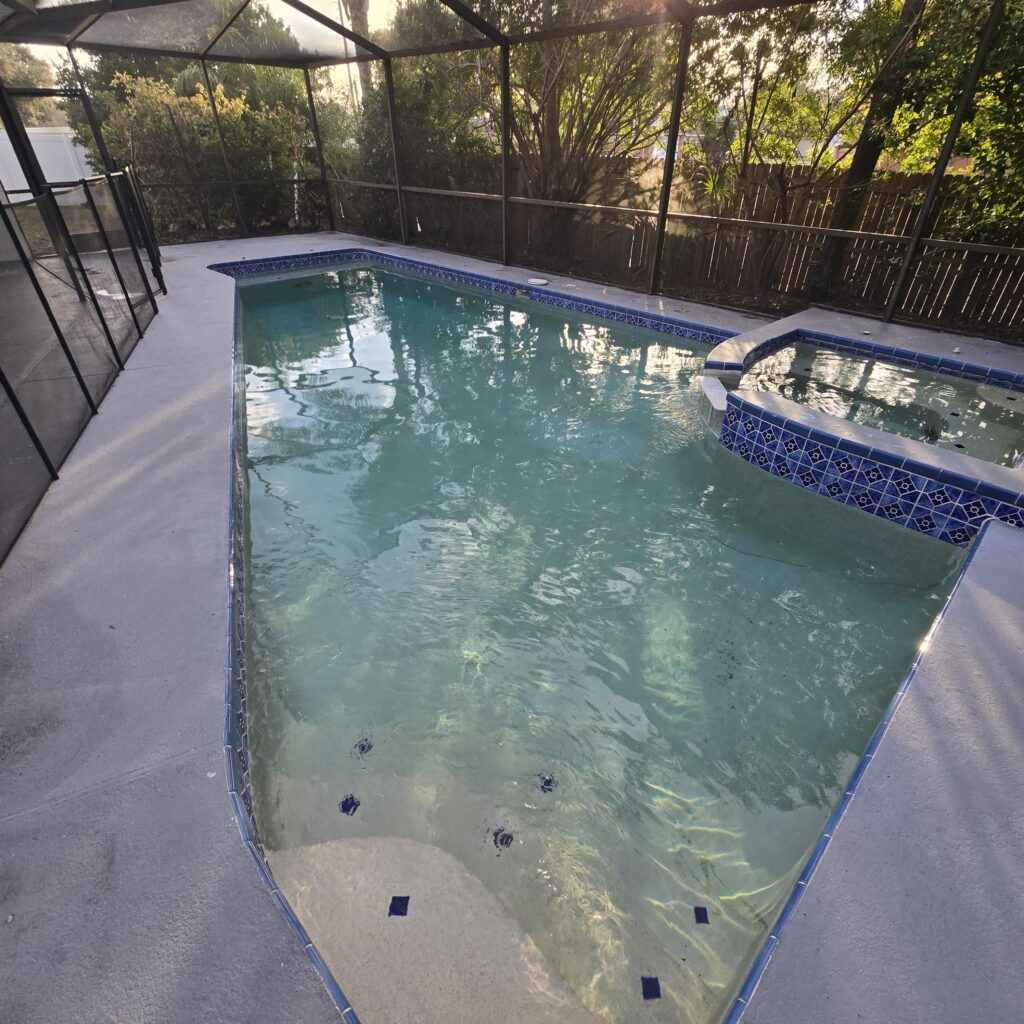
Once we have verified the capacity of the main panel, we assess the path the wiring will take. We look at the distance from the panel to the equipment pad. Voltage drop is a critical factor in these installations. If the pool equipment is located a significant distance from the house, the wire size must be increased to ensure the equipment receives the correct voltage. Undersized wires over long distances cause the voltage to drop, which can cause motors to overheat and burn out prematurely. We plan the route carefully, looking for obstacles like paved driveways, established landscaping, or irrigation lines that might complicate the trenching process.
We also consult the manufacturer’s specifications for the specific pool or hot tub you have purchased. Different models have different requirements. Some hot tubs have a “convertible” wiring setup that allows them to run on lower amperage with reduced heating capacity, or higher amperage for full performance. We discuss these options with you to ensure the wiring we install matches your performance expectations. For pools, we identify all the components that need power—main pumps, booster pumps for cleaners, salt water generators, heat pumps, and lighting controllers. This inventory allows us to design a subpanel at the equipment pad that consolidates all these controls in one accessible, safe location.
Trenching and Underground Conduit Installation
Once the plan is set and permits are pulled, the physical work begins with excavation. Electrical wiring for pools and hot tubs cannot be run exposed across the lawn; it must be protected underground. We dig a trench from the house to the location of the pool equipment or hot tub. The depth of this trench is dictated by code, typically requiring 18 inches of cover for PVC conduit. We take great care to minimize the disruption to your yard, using trenching equipment that creates a clean, narrow channel. If we need to cross a concrete walkway or patio, we often use specialized boring tools to tunnel underneath the slab rather than cutting and patching the concrete, preserving the aesthetic of your hardscaping. Need an underground circuit for your pool project? Click here for our underground circuits service.
Inside the trench, we install Schedule 40 or Schedule 80 PVC conduit. This rigid piping protects the wires from physical damage, moisture, and pests. We never direct-bury standard cable for these applications; the conduit provides a replaceable raceway. If a wire were ever to fail in the future, it could be pulled out and replaced without digging up the yard again. We glue every joint with high-strength PVC cement to create a watertight seal. This is crucial because even though the wires inside are rated for wet locations, we want to keep the interior of the conduit as dry as possible to prevent long-term degradation of the insulation.
We also run a separate conduit for low-voltage lighting or data cables if your system includes smart controls. Running high-voltage power wires parallel to low-voltage data wires can cause interference, leading to glitchy automation. By separating them into different conduits, we ensure that your pool lights change color when you tell them to and that your pump schedule runs without interruption. Before we backfill the trench, we often place a warning tape a few inches above the conduit. This serves as a safety marker for anyone digging in the yard in the future, alerting them to the presence of high-voltage lines before they strike the pipe.
The Critical Bonding Grid
Perhaps the most misunderstood and vital part of pool electrical safety is the equipotential bonding grid. This is entirely separate from the grounding wire that runs back to the panel. Bonding creates a network that connects all the metallic parts around the pool—the pump motor, the heater casing, the pool ladder, the diving board stand, and even the rebar inside the concrete pool shell—together with a bare copper wire. The purpose of this grid is to ensure that there is no difference in electrical potential between these metal objects and the water itself. If a voltage gradient were to exist, a person touching the handrail while standing in the water could become the conductor, resulting in shock.
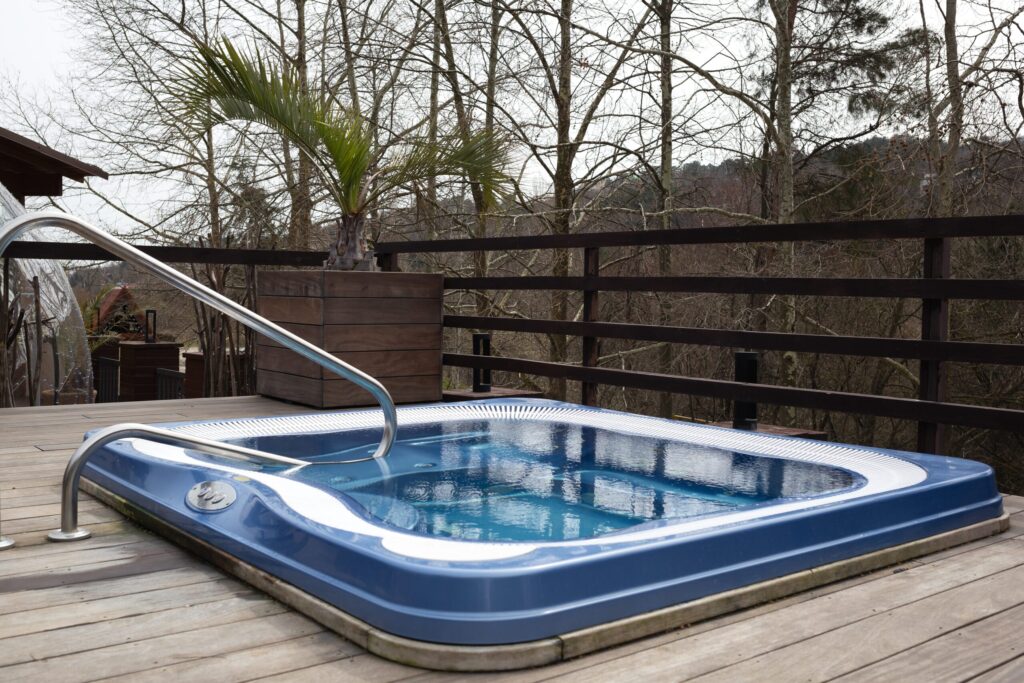
Our team meticulously installs this bonding loop, often attaching it to the structural steel of the pool before the concrete is poured. For above-ground hot tubs, the bonding requirements are slightly different but equally important. We verify that the hot tub’s internal frame and control box are bonded to the external bonding lug. If the hot tub is placed on a concrete slab, we may need to install a copper bonding grid in the concrete around the perimeter of the tub to protect against stray voltage from the earth. This step is often skipped by amateur installers because it is invisible once the project is done, but it is the primary defense against “tingling” water and serious electrocution hazards.
We also ensure that the water itself is bonded. This is done using a special fitting in the plumbing system that touches the water and connects to the copper bonding wire. This ensures that the water is at the same electrical potential as the metal handrails and the concrete deck. We test the continuity of this entire grid with precision meters. A break in the bonding loop renders it useless, so we check and double-check every clamp and connection point to ensure they are tight and secure against corrosion.
Wiring the Disconnect and Equipment Pad
At the equipment pad, we install a maintenance disconnect or a subpanel. The code requires that there be a way to shut off power to the hot tub or pool motors within sight of the equipment but far enough away (usually at least five feet) that a person cannot reach the switch while touching the water. This “emergency stop” is crucial for servicing the equipment. If a technician needs to work on the pump, they can lock out the power right there, ensuring it doesn’t accidentally turn on. For hot tubs, this disconnect box is often where the Ground Fault Circuit Interrupter (GFCI) protection is located. Want to know how to get your wiring ready for hot tub season? Click here for more information.
We wire the GFCI breakers with extreme care. GFCI protection is mandatory for all pool and spa equipment. These sensitive devices monitor the balance of current flowing out to the motor and returning. If even a tiny amount of current leaks—potentially through a person—the breaker trips instantly, cutting the power. We test these breakers repeatedly during the installation. We also pay close attention to the wiring inside the pump motors and heaters. These connections are subject to vibration and temperature changes. We use stranded copper wire for flexibility and secure it with torque-rated lugs to prevent loosening over time.
For more complex pool setups, we install an automation center. This panel acts as the brain of the pool, controlling valves, pumps, and heaters. We wire the high-voltage relays that switch these heavy loads on and off, as well as the low-voltage sensors for water temperature and air temperature. We label every conduit and every wire inside this panel. A disorganized “spaghetti” of wires is a nightmare for future troubleshooting. Our installations are neat, organized, and clearly marked, making it easy for any pool service technician to understand the system at a glance.
Final Testing and Homeowner Orientation
Once all the wires are pulled, connected, and buried, we perform a rigorous final inspection before turning the system over to you. We energize the circuit and check the voltage at the equipment to ensure it falls within the manufacturer’s tolerances. We test the operation of the pumps, ensuring they spin in the correct direction and run without excessive noise or heat. We verify that the heater ignites properly and that the underwater lights function as intended. Most importantly, we push the “test” button on every GFCI device to verify that the safety shut-off mechanism is active and responsive.

We then walk you through the system. We show you exactly where the main breaker is in your house panel and where the emergency disconnect is located near the pool or spa. We explain how to reset a tripped GFCI and under what circumstances you should call us rather than resetting it. If we have installed an automation system, we help you set up the initial schedules for filtration and cleaning. We believe that an informed homeowner is a safer homeowner. We want you to feel confident operating your new equipment, knowing exactly how to cut the power in an emergency.
Our job is not finished until the city or county inspector has signed off on the permit. We stand by our work during the inspection process, answering any questions the inspector might have and opening up panels to show the quality of our connections. We take pride in passing inspections on the first attempt because we adhere strictly to the code. Only after the green tag is hung do we consider the project complete, leaving you with a safe, reliable, and professionally installed backyard oasis.
Installing the wiring for a pool or hot tub is a specialized task that demands a deep understanding of electrical theory and safety codes. It is an environment where there is no room for error. At Frayer Electric, our process is designed to eliminate risk and ensure longevity. From the initial load calculation to the final bonding check, every step is executed with the precision and care that you expect from Patterson’s trusted electrical professionals. We handle the dirty work of trenching and the technical work of wiring so that you can focus on the enjoyment of your new amenity.
Do not trust your family’s safety to a handyman or a rushed installation. The peace of mind that comes with a code-compliant, professionally installed system is invaluable. We ensure that your pool pumps run efficiently, your heater operates safely, and your underwater lights shine bright without a flicker. If you are planning a pool or hot tub installation, let us be part of the team from the beginning.