5 Ways to Modernize Your Home’s Electrical System
The concept of the modern home has changed drastically over the last few decades. What was once considered a fully equipped house in the 1980s or 1990s now struggles to keep up with the demands of the twenty-first century. We have transitioned from a world of landlines and incandescent bulbs to an era defined by smart appliances, electric vehicles, and a seemingly infinite number of rechargeable devices. While our lifestyle has sprinted forward, the electrical infrastructure hidden behind the walls of many Patterson homes has remained stagnant. This disconnect between our high-tech needs and our low-tech wiring creates more than just inconvenience; it creates safety hazards and efficiency bottlenecks that hinder the functionality of the home. Modernizing your electrical system is not just about keeping up with trends; it is about adapting your living space to support the way you actually live today and preparing it for the future technologies of tomorrow.
Many homeowners view their electrical system as a static utility that only needs attention when something breaks. However, taking a proactive approach to modernization can fundamentally change how you interact with your home. It can lower your energy bills, improve the safety of your property, and increase the convenience of your daily routines. Upgrading does not always mean ripping out every wire and starting from scratch. Often, it involves strategic enhancements that target the weak points of older systems and introduce the intelligence and capacity required by modern devices. Whether you are looking to facilitate a home office renovation, install a new hot tub, or simply stop tripping breakers when the microwave runs, modernizing your electrical system is the foundational step toward a safer, smarter, and more efficient home.
Upgrading the Main Service Panel
The heart of any electrical system is the main service panel, often referred to as the breaker box. In many older homes in Patterson, this panel is a relic of a time when the average household energy consumption was a fraction of what it is today. Panels rated for 100 amps or less were once standard, but they are increasingly insufficient for modern homes that run central air conditioning, multiple televisions, computers, and high-efficiency electric appliances simultaneously. When a panel is maxed out, it has no room for expansion. This means you cannot add a new circuit for a kitchen remodel or a workshop without upgrading the service. A modern panel upgrade typically moves the home to a 200-amp service, providing ample capacity for current needs and future additions. This increase in “bandwidth” allows your electrical system to breathe, reducing the strain on individual components and eliminating the flickering lights that often accompany heavy appliance usage.
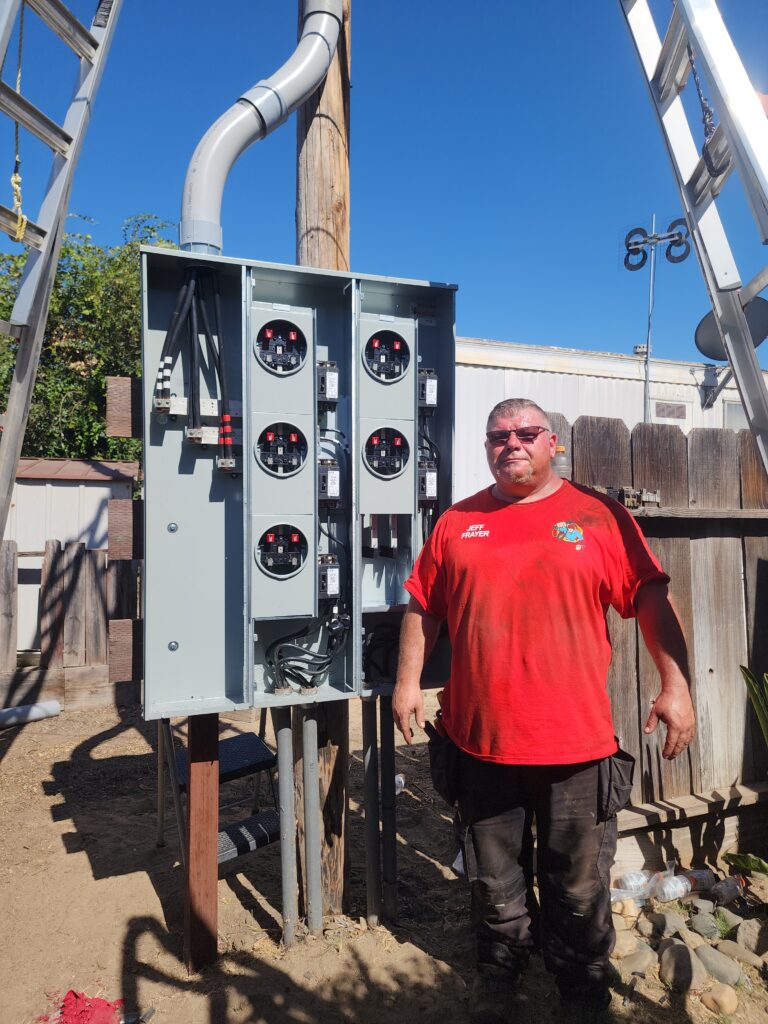
Beyond raw power capacity, modern panels offer safety features that older models simply lack. Decades-old panels may still rely on fuses or outdated breaker technologies that are slow to trip during a fault. Some brands of vintage panels have even been recalled due to significant fire risks. A modern panel installation brings the system up to the current National Electrical Code, which mandates the use of advanced breakers. These include Arc Fault Circuit Interrupters (AFCIs) that detect dangerous sparking inside walls, and Ground Fault Circuit Interrupters (GFCIs) that prevent shock in wet areas. By upgrading the panel, you are swapping a passive, potentially dangerous distribution point for an active safety monitor that watches over your home’s wiring 24/7.
Furthermore, the concept of the “smart panel” is revolutionizing home energy management. These advanced panels connect to your smartphone, giving you real-time data on your energy usage. You can see exactly how much power your air conditioner is using versus your refrigerator, allowing you to make informed decisions about energy conservation. Smart panels can also send alerts to your phone if a circuit trips or if unusual activity is detected, providing peace of mind when you are away on vacation. They allow for remote control of circuits, meaning you could potentially turn off the oven or the iron from your office if you forgot to do so before leaving. This level of control and visibility transforms the electrical panel from a metal box in the garage into an intelligent hub for the entire home.
Integrating Smart Lighting and Controls
One of the most visible and impactful ways to modernize a home is through the lighting system. For generations, lighting control was binary: on or off. Today, smart lighting technology allows for a fluid, customizable environment that adapts to the time of day and the activity at hand. Replacing standard toggle switches with smart dimmers and switches enables you to control your lights via voice commands, smartphone apps, or automated schedules. Imagine your hallway lights gently fading up as the sun sets, or the kitchen lights automatically brightening when you start cooking dinner. This is not just a party trick; it is a functional upgrade that enhances the usability of every room. It is particularly useful for security, allowing you to randomize lighting schedules while you are traveling to give the appearance that the house is occupied.
Need an interior lighting install? Click here for our interior lighting installation service.
Smart lighting also plays a significant role in energy efficiency. LED technology has already reduced the wattage required to light a home, but smart controls take it a step further. Motion sensors can ensure that lights in the laundry room or garage are never left on accidentally. Dimmers reduce the energy consumption of a bulb, extending its lifespan and lowering your electricity bill. Furthermore, the ability to control lights remotely means you never have to worry about whether you left the bedroom light on. You can check the status of every switch in the house from your phone and turn them off with a single tap. This granular control over your energy usage is a key component of a modern, eco-friendly home.
The aesthetic impact of modern lighting controls should not be underestimated. Old, yellowing rotary dimmers and cracked switch plates date a home immediately. upgrading to sleek, modern devices with touch interfaces or clean, screwless faceplates provides an instant facelift to your interior design. The ability to change the color temperature of your lighting is another modern luxury. You can shift from a cool, energizing white light for working during the day to a warm, relaxing amber glow for watching movies in the evening. This supports your body’s natural circadian rhythm and makes the home feel more comfortable and inviting. By integrating these controls, you move away from the harsh, static lighting of the past and into a dynamic system that enhances your lifestyle.
Installing USB Outlets and Modern Receptacles
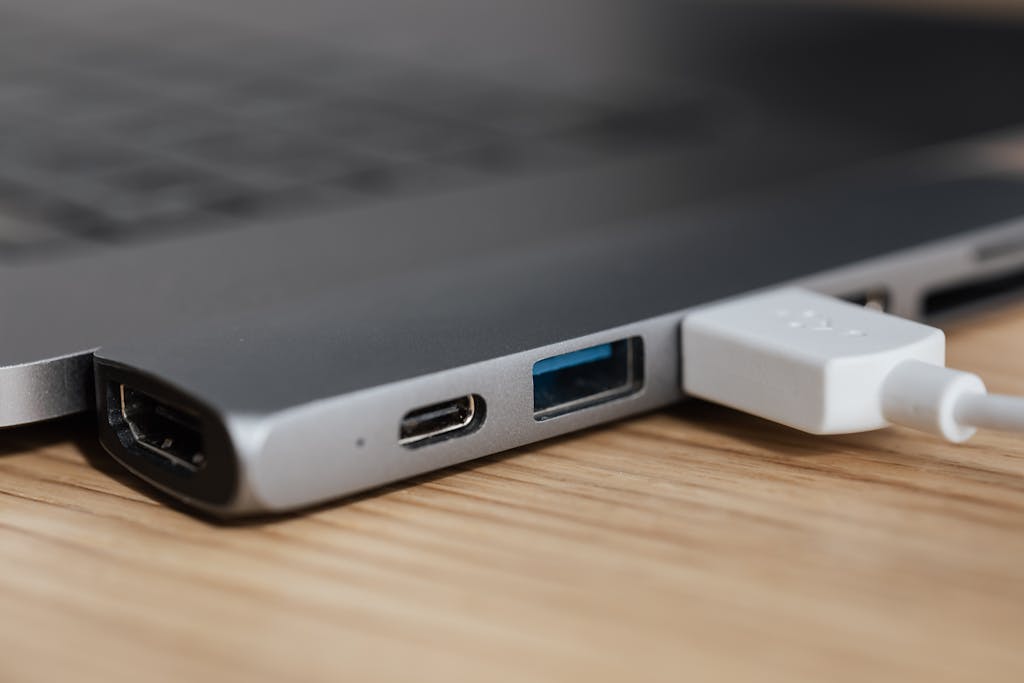
In the modern household, the competition for outlet space is fierce. Between smartphones, tablets, smartwatches, e-readers, and wireless headphones, the average family has a multitude of devices that need daily charging. The traditional solution has been a clutter of bulky power adapters, or “wall warts,” that block adjacent outlets and create an unsightly mess of cables. Modernizing your receptacles involves replacing standard outlets with units that feature integrated USB-A and USB-C charging ports. These hybrid outlets allow you to plug your charging cables directly into the wall, freeing up the three-prong plugs for lamps, vacuums, and other appliances. Installing these in strategic locations—such as beside the bed, above the kitchen counter, and near the sofa—streamlines the charging process and reduces visual clutter significantly.
Modern receptacles also address safety concerns that were often overlooked in older designs. Tamper-resistant (TR) outlets are now the standard for new installations. These outlets feature internal shutters that prevent foreign objects from being inserted into the slots. This is a crucial safety upgrade for families with young children, eliminating the risk of a child sticking a key or a paperclip into a live socket. Unlike the plastic safety caps of the past, which had to be removed and often ended up lost on the floor, tamper-resistant outlets provide passive, permanent protection without inconveniencing adults. It is a subtle change that significantly improves the safety profile of the home.
For areas where water is present, such as kitchens, bathrooms, and outdoor patios, modernizing means ensuring that GFCI protection is current and functioning. Older homes may have GFCIs that have worn out or were never installed in all required locations. Modern GFCI outlets feature self-testing technology that automatically verifies the internal safety mechanism is working periodically. If the test fails, the outlet cuts power and alerts you with a light, ensuring you are never relying on a faulty device. Upgrading these critical safety points is a non-negotiable part of bringing a home into the modern era. Additionally, pop-up outlets in kitchen islands or floor outlets in large living rooms can provide power exactly where it is needed, eliminating the dangerous and ugly use of extension cords running across walkways.
Preparing for Electric Vehicles and Electrification
The automotive industry is undergoing a massive shift toward electric vehicles (EVs), and the modern home must evolve to support this transition. Even if you do not currently own an EV, the likelihood that you or a future buyer of your home will own one is increasing every year. Relying on a standard 120-volt wall outlet to charge a car is agonizingly slow, often taking days to achieve a full charge. Modernizing your garage involves installing a Level 2 EV charging station or, at a minimum, a dedicated 240-volt circuit that can support one. This high-powered setup allows a vehicle to charge fully overnight, making EV ownership practical and convenient. Having this infrastructure in place adds significant value to the property and future-proofs the home for the inevitable decline of gas-powered personal transport.
Want to know how to prepare for a home EV install? Click here for more information.
Beyond vehicles, there is a broader trend toward the electrification of home appliances. As homeowners look to reduce their carbon footprint and improve indoor air quality, many are switching from gas appliances to electric alternatives. Induction cooktops, for example, are becoming increasingly popular for their speed, safety, and precision. However, switching from a gas range to an induction cooktop often requires a new, high-amperage electrical circuit. Heat pump water heaters and electric dryers also have specific power requirements. A modernized electrical system is designed with these potential upgrades in mind. It involves running the necessary conduit and ensuring the panel has the capacity to handle these heavy loads when the time comes to switch.
This shift toward electrification also encompasses outdoor living. In Patterson, where the weather allows for year-round outdoor enjoyment, modern homes are increasingly featuring outdoor kitchens, electric heaters, and elaborate landscape lighting. These amenities require safe, weather-rated power sources. Modernizing your exterior electrical system means installing dedicated outdoor subpanels or robust circuits that can handle the load of a pool pump, a hot tub, and an outdoor refrigerator simultaneously without tripping breakers inside the house. It is about extending the comfort and functionality of your indoor living space into the backyard, powered reliably and safely.
Implementing Whole-Home Surge Protection
In a house filled with expensive electronics, from smart refrigerators to 4K televisions and home office equipment, the financial risk posed by power surges is higher than ever. A power surge can be caused by lightning strikes, but more commonly, they originate from utility grid switching or even the cycling of large motors within your own home, like the AC compressor. These voltage spikes can degrade the delicate microchips inside your appliances over time, leading to premature failure, or destroy them instantly in a catastrophic event. The old method of relying on power strip surge protectors for every individual device is inefficient and leaves hardwired appliances like the stove, dishwasher, and HVAC system completely vulnerable.
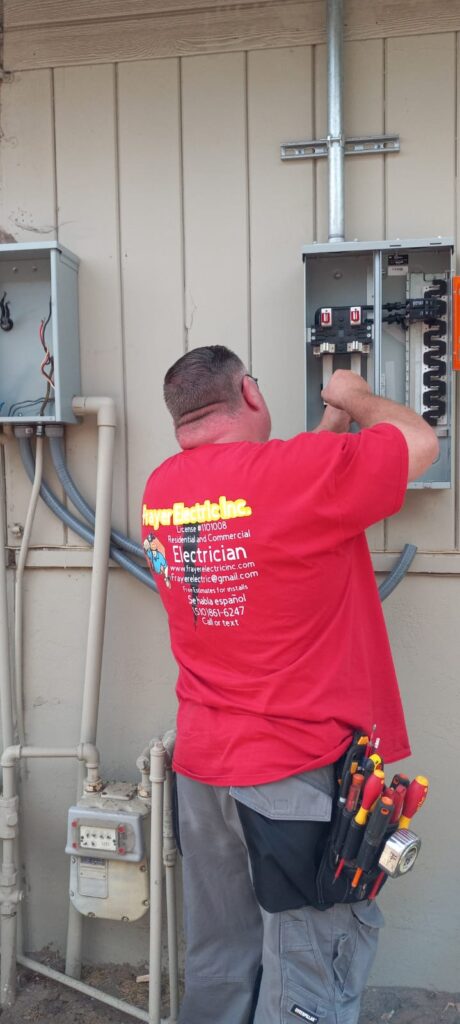
Modernizing your protection strategy involves installing a whole-home surge protector directly at the main panel. This device acts as a gatekeeper for the electricity entering your home. It detects voltage spikes instantaneously and diverts the excess energy into the ground wire before it can travel through the circuits to your devices. By stopping the surge at the source, you protect every outlet, switch, and appliance in the house simultaneously. This is the only way to protect heavy appliances that cannot be plugged into a power strip. It provides a comprehensive layer of defense that preserves the lifespan of your electronics and protects your investment in modern technology.
This upgrade is particularly relevant for smart home systems. If a surge takes out a smart switch or a connected thermostat, it is not just a matter of replacing a cheap component; it involves reprogramming and reconnecting the device to the network. The complexity of modern homes makes them more fragile in the face of “dirty” power. Whole-home surge protection ensures that the clean, stable power required by digital devices is maintained. It is a relatively low-cost upgrade compared to the potential cost of replacing a fried HVAC control board or a damaged entertainment system. It is the insurance policy for your electrical modernization efforts, ensuring that your new panel, smart switches, and EV charger remain functional for years to come.
Modernizing your home’s electrical system is a journey that moves your property from the past into the present, preparing it for the future. It is about recognizing that the wires behind your walls are not just passive copper strands, but the essential infrastructure that powers your entire life. By upgrading the main panel, you provide the capacity and safety features needed for today’s high-demand environment. Integrating smart lighting and controls adds a layer of convenience and efficiency that transforms the atmosphere of your home. Replacing outdated outlets with USB-integrated and tamper-resistant models cleans up the clutter and protects your family. Preparing for electric vehicles and heavy appliances ensures your home remains relevant and functional as technology shifts, while whole-home surge protection safeguards every investment you make.
These upgrades do more than just add value to your real estate; they improve the quality of your daily living experience. They offer peace of mind, knowing that your home is safe from fire hazards and electrical shocks. They offer comfort, knowing that your lights and climate can be controlled with a touch or a word. And they offer freedom, knowing that your home can handle whatever new device or appliance you choose to bring into it. If you are living in an older home in Patterson, do not wait for the lights to flicker or a breaker to fail before considering these improvements. A proactive approach to electrical modernization is the key to a safer, smarter, and more efficient home.