What to Do If You Smell Burning From Your Panel
The distinct, acrid scent of burning plastic or ozone is one of the most alarming signals a homeowner can encounter. Unlike a burnt toast smell from the kitchen or the dusty odor of a heater turning on for the first time in winter, a burning smell coming from your electrical panel is a direct indicator of a serious malfunction. The electrical panel is the heart of your home’s power system, responsible for distributing electricity to every room, appliance, and outlet. When this central hub begins to overheat to the point of emitting an odor, it means that a component has failed, a connection is loose, or the system is under dangerous stress. For residents in Patterson, where older homes may still have original wiring and newer homes are placed under the demand of modern high-efficiency appliances, this is a scenario that requires immediate and decisive action. Ignoring this warning sign, or hoping it will go away on its own, is a gamble that can lead to catastrophic electrical fires.
Your electrical panel is designed to contain and manage substantial amounts of energy. Under normal circumstances, it should operate silently and without producing any noticeable heat or smell. The presence of a burning odor indicates that electricity is escaping its intended path or encountering resistance that is generating excessive heat. This heat is melting insulation, scorching the metal casing, or charring the plastic components of the circuit breakers. It is a situation that escalates rapidly; what starts as a faint whiff can turn into an active fire within minutes or hours. Understanding how to react in these critical moments is essential for the safety of your property and, more importantly, your family.
Immediate Emergency Steps to Take
If you detect a burning smell coming from your main breaker panel, your first priority is personal safety. Do not waste time investigating the source by sniffing closely or removing the panel cover yourself. If you see smoke actively coming from the panel, or if the panel feels hot to the touch—test this by carefully brushing the back of your hand against the metal door, not gripping it—you should evacuate the house immediately and call 911. An active fire inside a wall cavity or electrical panel can spread with frightening speed, traveling along the wiring to other parts of the home. In this scenario, the fire department is the only appropriate first call. Do not attempt to use water to extinguish an electrical fire, as water conducts electricity and can result in severe shock or electrocution.
However, if there is no smoke and the panel is not hot, but the smell is persistent, you must cut off the power to stop the heat generation. If you can safely reach the panel without standing in water and without touching hot surfaces, open the door and locate the main breaker. This is usually a large double switch located at the very top or bottom of the panel. Flipping this single switch will cut power to the entire house. You should hear a solid clunk as it disengages. Once the main power is off, the flow of electricity stops, and the immediate risk of the heat building up further is paused. It is important to note that the heavy cables coming from the street into the top of the main breaker are still live, but the rest of the panel is now dead.
After shutting off the power, use a flashlight to vacate the area. Do not try to turn the power back on to see if the smell goes away. The component that was overheating has been compromised, and restoring the current will only reheat it, likely faster and more dangerously than before. Once the home is safe and the power is cut, your next call needs to be to a licensed emergency electrician. This is not a situation for a handyman or a DIY fix. The interior of an electrical panel contains lethal voltages and requires a professional to diagnose exactly what melted and why. While waiting for the electrician, keep the refrigerator and freezer doors closed to preserve your food, and unplug sensitive electronics to protect them from any surges that might occur during the repair process.
Identifying the Source of the Odor
The smell associated with an electrical fault is often described in specific ways, and identifying the nuance can sometimes help a professional understand the failure before they even arrive. The most common description is burning plastic. This is typically the smell of the wire insulation—the protective coating around the copper or aluminum wires—melting away. As the wire heats up due to resistance or overload, this insulation breaks down, releasing toxic fumes and that unmistakable sharp odor. If the smell is more chemical or fishy, it often points to the overheating of the plastic components of the circuit breakers themselves or the resin used in older electrical devices. This “fishy” smell is a hallmark of overheating Bakelite or similar urea-formaldehyde plastics used in electrical manufacturing. Need a panel upgrade? Click here for our electrical panel upgrade service.
In some cases, the smell is metallic or resembles ozone, similar to the scent in the air after a lightning storm. This indicates active arcing. Arcing occurs when electricity jumps through the air between two loose connections or between a hot wire and a grounded surface. This electrical arc reaches incredibly high temperatures—thousands of degrees—instantly vaporizing small amounts of metal and ionizing the air. If you smell ozone, it means there is a gap in your connection that electricity is trying to bridge, and that bridge is a fire waiting to happen. The sizzling or buzzing sound that often accompanies this smell is the audible frequency of that arc flash.
It is also possible for the smell to originate from foreign debris inside the panel. In Patterson’s semi-rural environment, it is not uncommon for pests like mice or insects to find their way into the warm enclosure of an electrical panel. If a rodent chews through insulation and bridges two wires, they can cause a short circuit that leads to electrocution and subsequent burning. While this is unpleasant to think about, the presence of nesting materials or a carcass inside the panel creates a significant fire hazard as dry flammable material is introduced directly to a source of sparks and heat. An electrician will be able to identify if pest intrusion is the root cause and recommend sealing methods to prevent future entry.
The Mechanics of Resistance and Heat
To understand why your panel is burning, it helps to understand the relationship between electricity and heat. In a perfectly functioning electrical system, electricity flows through wires and connections with very little resistance. The lower the resistance, the easier the flow, and the less heat is generated. However, any point of resistance in the circuit acts like a bottleneck. When electricity is forced through a bottleneck, it expends energy in the form of heat. This is the same principle that makes a toaster element get hot, but in your electrical panel, you definitely do not want a heating element.
The most common cause of unwanted resistance in a panel is a loose connection. Over time, the screws that hold the wires into the circuit breakers and the neutral bus bar can loosen. This happens due to the natural phenomenon of thermal expansion and contraction. Every time you run a heavy load like a dryer or an air conditioner, the wires heat up slightly and expand. When the load turns off, they cool down and shrink. Over years of this cycle, the wire can physically work itself loose from the terminal. Once the connection is loose, the surface area for the electricity to flow through is reduced. This increases resistance, which generates heat, which causes more oxidation and loosening, creating a runaway cycle called a “thermal runaway.” Eventually, the connection gets hot enough to melt the breaker casing or the wire insulation.
Corrosion is another enemy of good electrical contact. In humid environments or panels located in damp garages, the metal wires can oxidize. Copper oxide and aluminum oxide are poor conductors of electricity. If the wires develop a layer of corrosion, the electricity has to fight to get through that layer, generating heat in the process. This is particularly problematic in older homes that may have aluminum wiring installed in the 1960s or 70s without the proper anti-oxidant paste or specialized connectors. The heat generated by a corroded aluminum connection can be intense enough to destroy the panel bus bar, which is the main metallic backbone that distributes power to all the breakers.
Why the Breaker Didn’t Trip
A common question homeowners ask when they find a melted breaker is, “Why didn’t it trip?” We are taught to trust that circuit breakers will cut the power if something is wrong. However, standard circuit breakers are primarily designed to detect two things: a short circuit (a massive, sudden surge of current) and an overload (drawing more amps than the wire can handle). They are not always effective at detecting a high-resistance series fault. If a loose wire is generating immense heat but the actual amount of current flowing through it is still within the normal limits of the breaker—say, 15 amps on a 20-amp breaker—the internal mechanism of the breaker may not trigger. The breaker thinks the flow is normal, even though the connection point is glowing red hot. Want to know the signs you need a panel upgrade? Click here for more information.
Furthermore, breakers are mechanical devices that can fail over time. Inside the plastic casing of a circuit breaker are springs, levers, and bimetallic strips that need to move freely to trip the switch. If a breaker has been in service for decades, exposure to moisture, dust, or heat can cause these internal mechanisms to seize. In this dangerous state, the breaker might detect an overload but be physically unable to snap into the “off” position. This allows the current to keep flowing and the heat to keep building until the plastic casing melts or catches fire. This is a known issue with certain brands of vintage panels, such as Federal Pacific Electric (FPE) or Zinsco, which have documented high failure rates and are often recommended for immediate replacement by insurance companies and safety inspectors.
There is also the possibility of human error or “over-fusing.” This happens when someone replaces a breaker with a size that is too large for the wire connected to it. For example, putting a 30-amp breaker on a thin wire rated for only 15 amps. In this scenario, the wire can overheat and begin to burn long before the breaker ever senses that there is too much current. The breaker is protecting the wire based on the wrong parameters. This is why professional assessment is critical; an electrician looks not just at the panel, but at the wire gauge entering the breaker to ensure they are properly matched.
The Professional Repair and Restoration Process
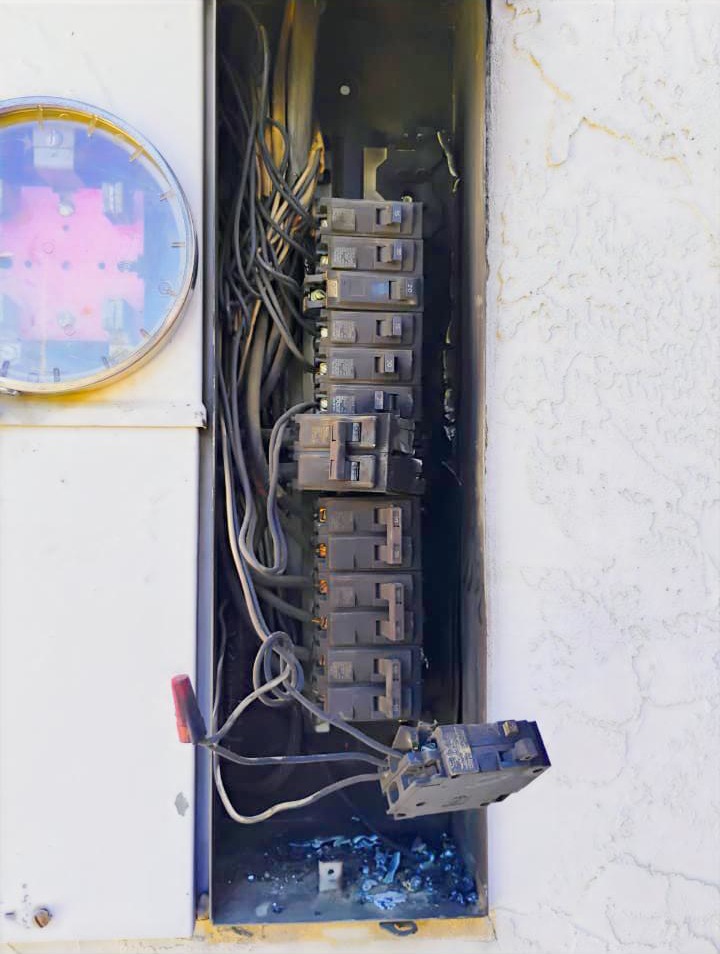
Once you have called a professional to address the burning smell, the restoration process begins with a forensic inspection. The electrician will carefully remove the panel cover to inspect the damage. They will look for charred wires, melted breaker handles, soot deposits, and discolored bus bars. Often, the damage is concentrated on a single circuit or the main service entrance cables. If the heat damage is localized to one breaker and the bus bar underneath is undamaged, a repair might be as simple as cutting back the damaged wire to fresh copper and installing a new breaker. However, if the heat has pitted or warped the metal bus bar behind the breaker, the entire panel usually needs to be replaced. You cannot safely snap a new breaker onto a damaged bus bar; the connection will be poor, and the cycle of heating will start all over again immediately.

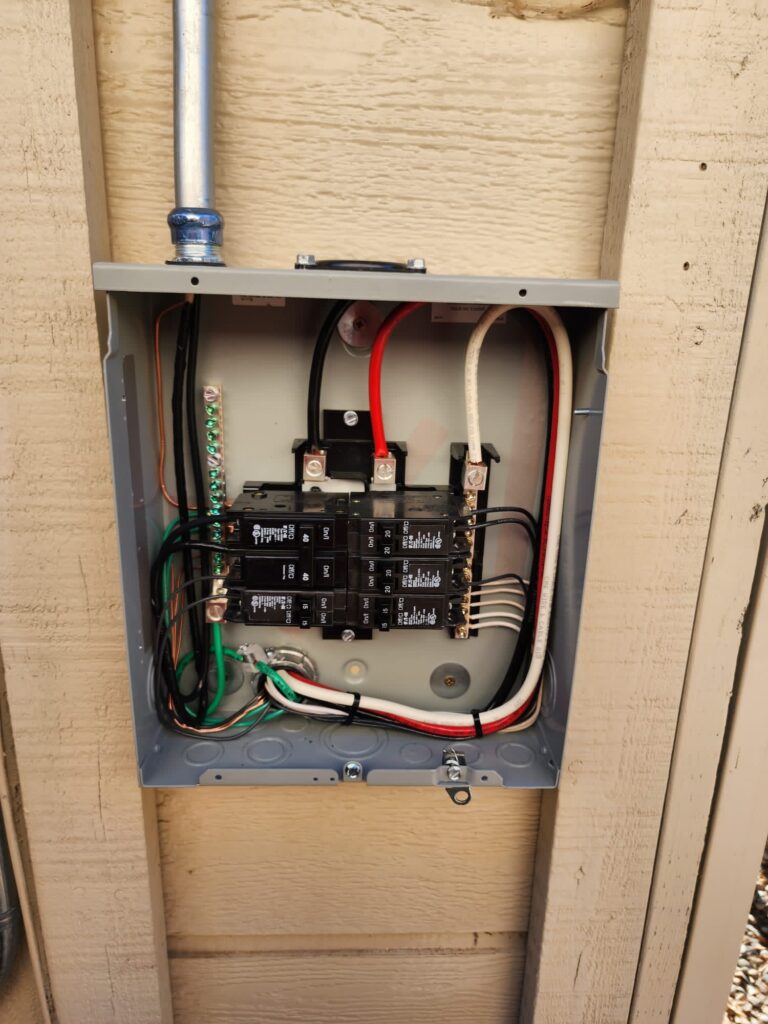
In many cases, a burning smell is the catalyst for a much-needed panel upgrade. If your panel is old, full of corrosion, or of a brand known for safety defects, patching it is often throwing good money after bad. An electrician will evaluate the overall health of your electrical service. In Patterson, replacing a panel involves obtaining a permit from the city or county, which ensures that the new installation meets all current electrical codes. This includes bringing the grounding system up to date, installing Arc Fault Circuit Interrupters (AFCIs) that are specifically designed to detect the sparking that causes fires, and ensuring the weatherhead and meter socket outside are secure.
During the repair, the electrician will also perform a torque check on all accessible connections. Using a calibrated torque screwdriver, they will tighten every screw in the panel to the manufacturer’s specifications. This ensures that the loose connections that potentially caused the issue are resolved. They may also apply thermal imaging cameras to the panel once power is restored. This technology allows them to see heat signatures that are invisible to the naked eye, verifying that the new connections are running cool and that the problem is truly solved. The goal is not just to get the lights back on, but to restore your peace of mind and ensure the long-term safety of your home.
A burning smell emanating from your electrical panel is a critical warning from your home’s infrastructure that cannot be ignored. It serves as a clear signal that the safety mechanisms designed to protect you are under stress or have failed. Whether caused by a loose wire, an overloaded circuit, or the inevitable wear and tear of aging components, the heat generated in these situations is a precursor to fire. Taking immediate action by shutting off the power and calling a professional is the only way to mitigate the risk and protect your property.
Electrical systems are robust, but they are not immortal. They require monitoring and maintenance, especially in the diverse housing market of Patterson where electrical standards have evolved significantly over the decades. By addressing these warning signs promptly and relying on licensed experts to perform the necessary repairs or upgrades, you ensure that your electrical panel remains a silent, safe, and efficient distributor of power rather than a hazard hidden behind a metal door.