
Why We Recommend Dedicated Circuits for Major Appliances
Modern homes are filled with an impressive array of technology and machinery designed to make our lives more comfortable and convenient. From the refrigerator that keeps our food fresh to the HVAC system that maintains a pleasant temperature year-round, we rely heavily on these devices every single day. However, we rarely stop to consider the invisible infrastructure that powers them until something goes wrong. The electrical system in your home is a complex network of wires, breakers, and outlets, all working together to distribute power safely. As appliances have become more powerful and more numerous, the demand on this system has increased significantly. In Patterson, where homes range from historic properties to new constructions, ensuring that the electrical panel can handle the load of modern living is a critical aspect of home maintenance.
One of the most common issues we encounter as electricians is the overloading of general-purpose circuits. Many homeowners assume that if there is an open outlet, they can plug anything into it. While this might be physically possible, it is not always electrically sound. Standard wall outlets are typically part of a general circuit that serves multiple outlets and lights across a room or even several rooms. When you plug a high-demand appliance into one of these shared circuits, you risk exceeding the safe capacity of the wiring. This is where dedicated circuits come into play. A dedicated circuit is an electrical line that runs from your main breaker panel to a single outlet, serving only one specific appliance. This setup is not just a recommendation; for many appliances, it is a safety requirement mandated by the National Electrical Code to prevent fires and protect your equipment.
Understanding the Mechanics of Dedicated Circuits
To understand why dedicated circuits are necessary, it helps to visualize how electricity flows through your home. Your main electrical panel acts as the distribution center, receiving power from the utility company and splitting it into branch circuits. Each circuit is protected by a breaker, designed to trip—or cut off the power—if the current flowing through the wire exceeds a safe level. Most general-purpose circuits in a bedroom or living room are rated for 15 or 20 amps. This is sufficient for powering lamps, televisions, phone chargers, and perhaps a vacuum cleaner. However, the margin for error on these shared circuits decreases rapidly as you add more devices. If a circuit is already carrying a load from several lights and a computer, starting a high-draw appliance on the same line can instantly push the amperage over the limit.
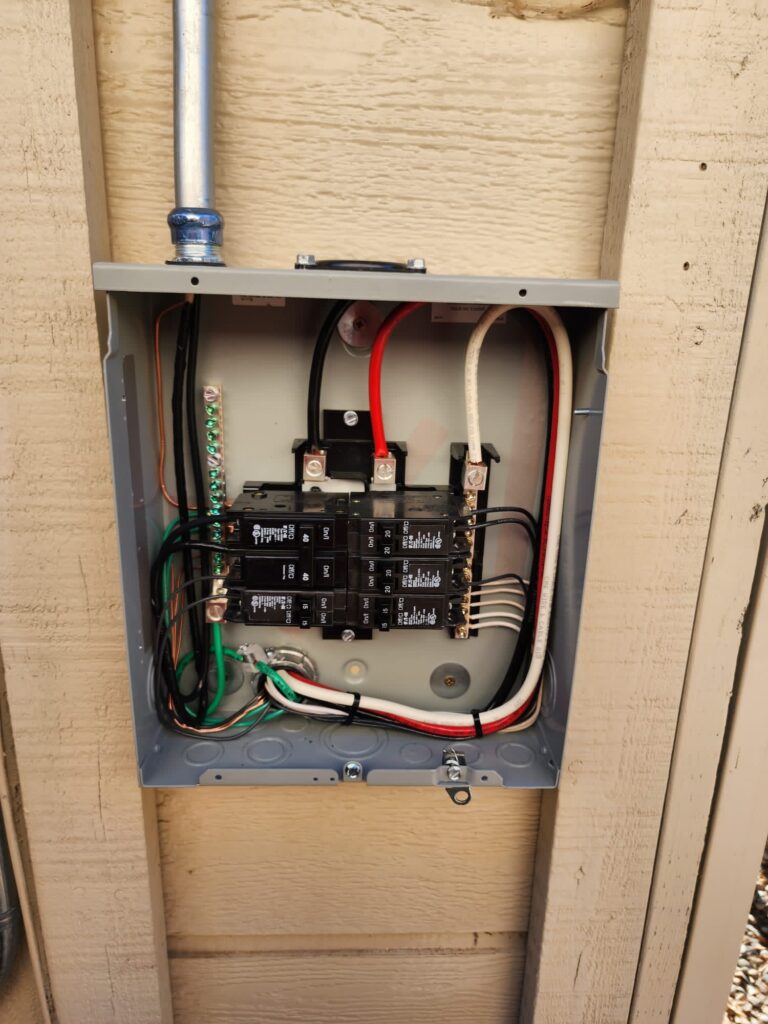
A dedicated circuit differs because it eliminates the variable of other devices sharing the load. It provides a direct, uninterrupted path for electricity to flow to a single piece of equipment. This ensures that the appliance has access to the full amperage of that circuit without competition. For example, a central air conditioning unit requires a significant amount of power to start up—often called the locked rotor amperage—which can be momentarily much higher than its running amperage. If this surge occurred on a shared circuit, it would almost certainly trip the breaker or cause lights to dim and flicker. By isolating this load on its own breaker and wire, the system remains stable. The wire gauge is specifically selected to handle the thermal demands of that specific appliance, ensuring that the heat generated by the flow of electricity stays within safe limits.
Furthermore, dedicated circuits allow for specific voltage requirements to be met. While most standard outlets provide 120 volts, many heavy-duty appliances require 240 volts to operate efficiently. Electric ranges, clothes dryers, and large water heaters are common examples. These appliances cannot simply be plugged into a standard wall outlet; they require a dedicated 240-volt circuit with a specific outlet configuration. Attempting to modify a standard circuit to serve these appliances is dangerous and illegal. The dedicated circuit ensures that the correct voltage is delivered safely, preventing damage to the appliance and eliminating the risk of electrical shock or fire associated with improper wiring modifications.
The Appliances That Demand Their Own Path
Identifying which appliances require a dedicated circuit is a key step in ensuring your home is safe and code-compliant. The most obvious candidates are the heavy hitters in terms of power consumption. The electric range or oven is typically the largest power user in the kitchen. These units heat up rapidly and maintain high temperatures for extended periods, drawing a continuous heavy load that no shared circuit could sustain. Similarly, the refrigerator is a critical appliance that should always be on a dedicated circuit. While a modern fridge might not draw massive amperage while running, the compressor startup cycle creates a surge. More importantly, if a refrigerator shares a circuit with a toaster or a blender that trips the breaker, you risk losing hundreds of dollars in spoiled food if you do not notice the outage immediately.
Need your electrical wiring done? Click here for our electrical wiring service.
Laundry appliances are another category where dedicated circuits are non-negotiable. An electric clothes dryer is a high-voltage appliance that requires a 240-volt dedicated line. Even gas dryers, which use gas for heat, require a dedicated 120-volt circuit for the drum motor and controls because the motor load is significant enough to disrupt other devices. Washing machines are also notorious for tripping shared circuits due to the rapid cycling of their motors during the agitation and spin cycles. By placing the washer and dryer on their own respective circuits, you ensure that laundry day does not result in a power outage for the rest of the utility room or garage.
Beyond the kitchen and laundry room, your home’s comfort systems rely heavily on dedicated power. Your heating, ventilation, and air conditioning (HVAC) system, including the furnace and the outdoor condenser unit, must have dedicated circuits. In fact, the outdoor unit usually requires a dedicated disconnect switch located near the unit itself for safety during maintenance. Electric water heaters are another prime example; they run for long intervals to heat water and require a consistent, high-power supply. Even smaller luxury items, like a whirlpool tub or a sauna, require dedicated wiring due to the combination of water and high-amperage pumps or heaters. Failing to provide dedicated power for these items is a code violation that can lead to immediate operational failure.
Preventing Overloads and Electrical Fires
The primary danger of ignoring the need for dedicated circuits is the risk of electrical fire. When wire carries more current than it is rated for, it begins to heat up. The insulation around the wire is designed to withstand a certain amount of heat, but chronic overloading can cause this insulation to degrade, melt, or become brittle over time. If the insulation fails, the exposed wires can arc, sparking a fire inside your walls that may spread undetected for some time. Circuit breakers are the failsafe designed to prevent this, but they are mechanical devices that can wear out or malfunction if they are constantly being tripped and reset. Relying on the breaker to save you from an overloaded circuit every day is a dangerous gamble.
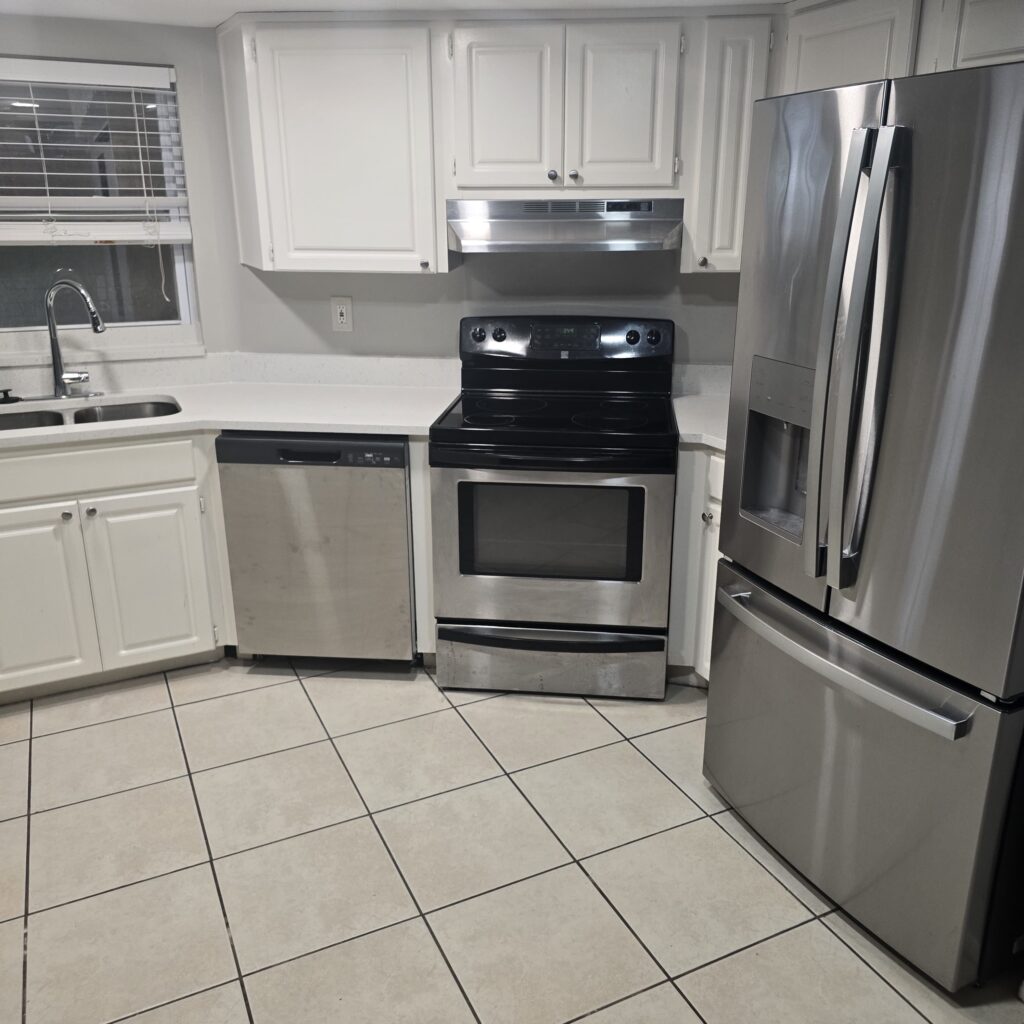
The phenomenon of nuisance tripping is often the first warning sign that a dedicated circuit is needed. If you find that you cannot run the microwave and the toaster oven at the same time without losing power to the kitchen, you have a circuit overload problem. In older Patterson homes, the kitchen might be wired on a single general circuit, which was sufficient fifty years ago but is woefully inadequate for today’s countertop appliances. Homeowners often resort to using extension cords or power strips to plug in more devices, which only exacerbates the problem. Extension cords are not designed for permanent use with major appliances and add resistance to the circuit, increasing the heat generation and the fire risk. A dedicated circuit removes this hazard entirely by providing a robust, permanent connection designed for the load.
In addition to fire safety, dedicated circuits protect the integrity of your electrical connections. Overloading causes thermal expansion and contraction in the wires and at the connection points on outlets and switches. Over time, this thermal cycling can loosen the screw terminals, creating a poor connection. A loose connection increases electrical resistance, which generates even more heat—a cycle that often leads to melted outlets or burnt wiring. By ensuring that high-draw appliances are on their own circuits, you keep the temperature of the wiring stable and within design parameters, preserving the physical condition of your electrical infrastructure for decades.
Protecting Your Investment in Modern Appliances
We often think of dedicated circuits purely in terms of safety, but they also play a vital role in protecting the appliances themselves. Modern appliances are not just mechanical beasts; they are sophisticated pieces of technology filled with sensitive electronic control boards. A high-end refrigerator today has a computer inside it managing defrost cycles, ice making, and temperature zones. A modern washing machine uses complex logic boards to balance loads and optimize water usage. These electronic components are highly sensitive to fluctuations in voltage. When a heavy appliance shares a circuit with other devices, the voltage on the line can drop momentarily when other devices are switched on. This “voltage sag” can strain the motors and confuse the electronics of your expensive appliances.
Want to know the signs you need a panel upgrade? Click here for more information.
Dedicated circuits provide a “clean” source of power. Because the appliance is not competing with a vacuum cleaner or a hair dryer for amperage, the voltage remains stable. This stability allows motors to run cooler and more efficiently, extending their lifespan. An air conditioner compressor that struggles to start because of a voltage drop will wear out significantly faster than one that receives full, clean power. Given the cost of replacing a refrigerator, furnace, or washer, the investment in a dedicated circuit is a small price to pay for insurance against premature failure. It ensures that the manufacturer’s warranty remains valid, as many warranties contain clauses that void coverage if the appliance was installed on an improper electrical supply.
Furthermore, dedicated circuits help isolate electrical noise. Some appliances, particularly those with motors, generate electrical interference that can travel back down the line. If this line is shared with sensitive electronics like a home office computer or a smart TV, that interference can cause glitches, data loss, or hardware damage. By segregating the “noisy” motor loads of major appliances onto their own circuits, you protect your other electronic investments and ensure that your home office or entertainment system operates without unexplained disruptions. It is a holistic approach to home energy management that prioritizes the longevity of every device plugged into your walls.
The Importance of Professional Assessment and Installation
Determining the need for a dedicated circuit and installing it is a task that strictly requires professional expertise. It is not as simple as running a new wire from the panel to an outlet. The process begins with a load calculation of your existing electrical panel. A qualified electrician must assess whether your main service panel has the physical space for a new breaker and the electrical capacity to handle the additional load. In some older homes in Patterson, adding a dedicated circuit for a modern induction range or a hot tub might trigger the need for a service upgrade if the panel is already maxed out. Ignoring this step and double-tapping breakers or overcrowding the panel is a serious code violation that can lead to catastrophic panel failure.

The installation process itself involves routing new wiring through finished walls, attics, or crawlspaces. This requires a deep understanding of building construction to fish wires without causing unnecessary damage to your drywall or trim. The type of wire used is critical; it must be the correct gauge and have the appropriate insulation rating for the environment it passes through. For example, wiring running through an outdoor conduit for an AC unit has different requirements than wiring running through an interior wall for a refrigerator. An electrician knows how to select the right materials and install them according to the National Electrical Code, ensuring that the installation is safe, secure, and legal.
Finally, a professional installation includes proper grounding and bonding, which are essential for safety. Major appliances typically have metal cases, and if an internal fault occurs, that case could become energized. Without a proper ground path provided by a correctly installed dedicated circuit, touching the appliance could result in a lethal shock. Professionals test the circuit after installation to verify continuity, proper voltage, and grounding integrity. This level of verification is something that cannot be achieved with guesswork. When you hire a professional, you are paying for the assurance that your home is code-compliant, your insurance validity is maintained, and your family is safe from the hidden dangers of amateur electrical work.
The electrical demands of the modern household have outpaced the design of many older electrical systems. As we fill our homes with larger, more powerful, and more sophisticated appliances, the need for dedicated circuits becomes undeniable. These circuits are the backbone of a safe and efficient electrical system, ensuring that your heavy-duty equipment receives the power it needs without compromising the rest of the house. They prevent dangerous overloads, eliminate the nuisance of tripping breakers, and protect the delicate electronics within your expensive appliances from voltage irregularities.
Whether you are renovating your kitchen, adding a new laundry suite, or simply upgrading your HVAC system, evaluating your circuit needs is a mandatory step. Do not risk the safety of your home or the lifespan of your new appliances by plugging them into an already crowded general circuit. The peace of mind that comes with a properly wired home is invaluable. Our team is ready to assess your panel, calculate your load, and install the necessary dedicated lines to keep your home running smoothly.