How to Protect Your Electronics From Summer Power Surges
Summer in the Central Valley brings rising temperatures, afternoon thunderstorms, and a power grid that works overtime to keep up with demand. All of that activity puts your home electronics at real risk. A power surge is a sudden spike in voltage that travels through your wiring, and it can fry the sensitive components inside televisions, computers, gaming consoles, and smart home devices in a fraction of a second. Many homeowners assume a cheap power strip is enough, yet most of those strips offer very little real defense against a serious event. The good news is that the right combination of protection devices, proper grounding, and a few simple habits can shield your valuable equipment all season long. Understanding where surges come from is the first step toward stopping the damage before it starts. This guide breaks down the causes, the solutions, and the smart upgrades that keep your electronics safe when the heat is on.
Understanding What Causes Summer Power Surges
Power surges are not random events; they follow patterns, and summer creates several conditions that make them far more likely. Heat puts stress on every part of the electrical system, from the utility transformers on the street to the breaker panel inside your home. Storms roll through the valley with little warning, and lightning does not need to strike your house directly to send a damaging spike down your lines. At the same time, air conditioners cycle on and off constantly, and each cycle can create small internal surges that add up over weeks. The local grid also strains under peak demand, which leads to voltage fluctuations and the occasional brownout. Knowing these triggers helps you match the right protection to the real threats your home faces. The sections below explain the three biggest sources of summer surges so you can plan your defense with confidence.
Lightning Storms and Summer Power Surges
Lightning is the most dramatic cause of summer power surges, and it is also one of the most destructive. When a bolt strikes a power line, a transformer, or even the ground near your home, it can push tens of thousands of volts into a system designed to handle a small fraction of that load. Your electronics never stand a chance against that kind of energy without dedicated protection in place. A direct strike is rare, but nearby strikes happen far more often, and they still send powerful spikes racing through utility lines, cable connections, and phone lines into your house. Even a storm several miles away can induce a surge strong enough to damage a circuit board. The speed of these events is what makes them so dangerous, since the spike arrives and does its damage long before you could ever react. This is why proactive equipment matters so much more than any action you could take in the moment.
The path that lightning energy takes is important to understand because it shapes how you defend against it. A surge can enter through the main electrical service, but it can also sneak in through coaxial cable lines, internet connections, and even the ground wire if the system is not bonded correctly. Devices plugged into multiple sources, such as a smart television connected to both power and cable, face risk from more than one direction. A single point of protection often leaves a back door open for the surge to slip through. That is why a layered approach gives you the strongest defense against storm related events. Protecting the main panel, the individual outlets, and the data lines together closes off the routes a lightning surge would otherwise use. Each layer catches what the others might miss, and the combined system keeps your sensitive gear intact.
Homeowners often underestimate how much damage a single storm can cause across an entire household. One strong surge can take out a refrigerator control board, a furnace ignition module, a router, and a home theater system all at the same time. The repair and replacement costs add up quickly, and many of those losses are not fully covered by a standard insurance policy. Beyond the dollar figure, there is the frustration of losing photos, documents, and the comfort of climate control during the hottest part of the year. Lightning protection is not about fear; it is about treating a known seasonal risk with a known seasonal solution. Investing in proper surge defense before the storms arrive is always cheaper than replacing everything afterward. A little preparation in late spring pays off through every summer thunderstorm that follows.

Air Conditioning Demand and Summer Power Surges
Your air conditioner is likely the largest electrical load in your home, and it is a surprising source of summer power surges. Every time the compressor kicks on, it draws a heavy burst of current to get the motor spinning, and that inrush creates a momentary dip and spike in voltage. When the unit shuts off, the sudden stop in current flow can send a small surge back through the circuit as well. These internal surges are smaller than a lightning strike, yet they happen many times a day throughout the cooling season. Over time, repeated low level spikes wear down the delicate electronics in your other appliances and devices. The damage is gradual, so people rarely connect a failed circuit board to the air conditioner that has been cycling all summer. Recognizing this hidden pattern helps explain why electronics seem to fail more often during the hot months.
The relationship between your cooling system and the rest of your electronics runs in both directions. A surge from a neighbor’s large appliance or a utility switching event can also damage the sensitive control board inside your own air conditioner. Modern HVAC systems rely on circuit boards and variable speed motors that cost a great deal to replace, which makes them worth protecting just like a computer or television. When the main system is shielded, the spikes it generates are absorbed before they can spread to other circuits. This protects both the air conditioner and everything else plugged into the same panel. Pairing surge protection with proper air conditioning wiring creates a stable electrical environment for the whole house. The result is a system that runs cooler, lasts longer, and produces fewer of the internal spikes that quietly shorten the life of your devices.
There are practical steps that reduce the surge load your cooling system places on the home. Keeping the air conditioner well maintained means the compressor starts cleanly instead of straining against dirty coils or a failing capacitor, which lowers the size of each startup spike. Spreading large electrical loads across the day rather than running everything at once also eases the stress on your panel. A soft start device installed on the compressor can reduce the inrush current dramatically, smoothing out the harshest part of each cycle. Still, no single trick replaces dedicated surge protection at the panel and the outlets. The smartest plan combines a healthy cooling system with hardware built to absorb the spikes that remain. Together these measures keep both your comfort and your electronics safe through the longest, hottest stretches of the year.
Grid Strain and Summer Power Surges
The wider electrical grid faces enormous pressure during a Central Valley summer, and that strain reaches all the way to your outlets. When thousands of homes run their air conditioners at the same time on a hot afternoon, demand can outpace the supply the utility planned for. To manage this, utilities adjust voltage and switch loads between circuits, and each of those actions can create a surge or a sag in the power reaching your home. A brownout, which is a deliberate drop in voltage, forces motors and electronics to work harder and run hotter than they should. When full power suddenly returns, the rebound can arrive as a spike that hits everything still plugged in. These grid level events are completely outside your control, which is exactly why on site protection matters so much.
Equipment failures on the utility side add another layer of risk during peak season. A blown transformer, a downed line from high winds, or a tree branch contacting a wire can all send irregular voltage into a neighborhood. Power that flickers off and on several times in a row is especially hard on electronics, since each restart is another chance for a damaging spike. The devices most at risk are the ones that stay plugged in around the clock, such as routers, refrigerators, and home office equipment. Many of these run unattended, so a surge can strike while no one is home to unplug anything. Hardware that reacts automatically is the only reliable answer to events that arrive without warning. A surge protection system stands guard every hour of every day, regardless of what the grid is doing.
The frequency of these grid disturbances is the part that catches people off guard. A single dramatic outage gets noticed, but the dozens of minor fluctuations that happen each summer go unseen. Each small event chips away at the lifespan of your electronics, much like the internal surges from your air conditioner. By the time a device finally fails, it has often absorbed a long series of stresses rather than one big hit. This slow accumulation is why whole home protection makes such a difference over the long run. It catches both the rare major surge and the steady stream of minor ones the grid produces. Treating the grid as the unpredictable neighbor it is, and protecting your home accordingly, keeps your equipment running long past the point where unprotected devices would have given out.
How to Protect Your Electronics From Power Surges
Protecting your electronics is not about a single gadget; it is about building layers of defense that work together. The strongest strategy starts at the main electrical panel and extends all the way to the individual outlets where your devices plug in. Underpinning all of it is a properly grounded system, because surge protection cannot do its job without a safe path to send excess energy away from your home. Each layer handles a different part of the threat, and skipping any one of them leaves a gap that a surge can exploit. The combination is what turns a vulnerable home into a resilient one. Below are the three core elements every Central Valley homeowner should have in place before the worst of the summer weather arrives. Put together correctly, they give your electronics the durable protection they deserve.
Whole House Surge Protection for Your Electronics
Whole house surge protection is the foundation of a strong defense, and it works by stopping large surges before they ever reach your outlets. The device installs at or near your main electrical panel, where it intercepts spikes coming in from the utility lines. When a surge arrives, the protector diverts that excess voltage safely to ground in a fraction of a second, allowing only safe power to continue into your home. This single layer handles the biggest threats, including lightning induced surges and the spikes that come from grid switching. Because it sits at the entry point of your electrical system, it shields every circuit at once rather than just one outlet. That makes it especially valuable for protecting hardwired equipment like your air conditioner, furnace, and built in appliances. For the broadest coverage in one step, nothing beats protection at the panel. Need a panel level defense for your home? Click here for our whole house surge protection service.
The hardware behind whole house protection is rated to handle far more energy than any plug in strip could absorb. These units are measured in their ability to clamp high voltage and dissipate large amounts of current, which is what allows them to survive a serious event. A quality device also includes an indicator that shows when it is working and when it has worn out and needs replacement. Surge protectors do sacrifice themselves over time, since absorbing repeated hits gradually uses up their capacity. Professional installation matters here because the unit must be wired correctly and bonded to a solid ground to function as intended. A poorly installed protector can give a false sense of security while leaving the home exposed. Trained installation ensures the device is matched to your panel and your home’s electrical load.
While whole house protection is powerful, it is best understood as the first line rather than the only line. Large surges are stopped at the panel, but smaller spikes can still be generated inside the home by appliances cycling on and off. The panel device also cannot protect against surges that enter through cable or phone lines unless those paths are protected separately. This is why professionals recommend pairing panel protection with outlet level devices for the most sensitive electronics. The two layers complement each other, with one handling the heavy hits and the other catching the fine spikes. Think of it as a coarse filter backed up by a fine filter. Together they deliver the kind of complete coverage that a single device cannot provide on its own.

Point of Use Surge Protection for Your Electronics
Point of use surge protection sits right at the outlet, providing the final layer of defense for your most valuable electronics. These devices come in the form of quality surge strips and protected wall outlets, and they catch the smaller spikes that slip past or originate inside the home. A computer, a home theater system, or a gaming setup benefits enormously from this close range protection. The key measurement to look for is the joule rating, which tells you how much energy the device can absorb over its life. A higher joule rating means more protection and a longer useful life before the unit needs replacement. Cheap strips with low ratings offer little real defense, so it pays to choose quality hardware for the gear you care about. Matching the right strip to the right equipment closes the gap that panel protection alone leaves open.
Many of the devices in a modern home connect to more than just power, and point of use protection accounts for that. A media center often links to coaxial cable, an ethernet line, and a power cord all at once, and a surge can travel down any of those paths. The best outlet level protectors include ports that shield these data lines along with the electrical connection. Protecting only the power cord while leaving the cable line exposed defeats the purpose, since the surge simply takes the unprotected route. Looking for an all in one protector that guards every connection your device uses gives you true coverage. This attention to detail separates real protection from a false sense of safety. The goal is to leave no open door for a surge to reach the circuit board inside.
Proper placement and habits make point of use protection even more effective throughout the summer. Surge strips should never be daisy chained together, since stacking them overloads the protection and creates a fire hazard. Replacing older strips that have absorbed years of spikes keeps your defense fresh, because a worn protector may pass power without protecting anything. For added safety during a severe storm, unplugging the most valuable electronics removes them from the path of a surge entirely. Adding properly installed GFCI outlets in the right locations further improves the safety of your circuits. Small steps like these reinforce the hardware you have installed. Combined with panel level protection, they form a complete shield around your electronics.
Proper Grounding to Protect Your Electronics
Proper grounding is the quiet hero that makes all surge protection possible, and many homeowners overlook it entirely. A surge protector works by redirecting excess voltage away from your devices and into the earth, and that only happens if the home has a solid ground path. When grounding is faulty or missing, the diverted energy has nowhere to go, and your protection devices cannot do their job. An ungrounded surge protector is little more than a regular power strip with a warning light. This is why an electrical system built on good grounding is the true foundation of surge defense. Without it, even the most expensive panel device fails to deliver on its promise. Confirming that your home is grounded correctly should come before you invest in any protection hardware.
Older homes in the Central Valley sometimes have grounding systems that no longer meet current standards or have degraded with age. Corroded connections, undersized ground wires, and loose bonding can all reduce the effectiveness of the entire system. These issues are invisible during normal use, since power flows fine until a surge or fault tests the ground path. The danger surfaces only at the worst possible moment, when a spike arrives and the energy has no safe route to follow. A professional can inspect the grounding electrode, the bonding connections, and the path back to the panel to confirm everything is sound. Bringing an older system up to standard is one of the most valuable upgrades a homeowner can make. It protects both your electronics and the people in your home. Want to make sure your home is grounded correctly? Click here for our electrical grounding service.
Grounding also plays a direct role in personal safety, not just equipment protection. A properly grounded system gives stray current a safe path away from people and appliances, reducing the risk of shock and fire. During a surge event, good grounding keeps voltage from building up on metal surfaces that someone might touch. This protective function works around the clock, long after the surge has passed. Combining solid grounding with panel and outlet protection creates a system where every part supports the others. The grounding carries the energy away, the panel device catches the big hits, and the outlet strips handle the rest. This unified approach is what real electronic protection looks like, and it starts with a ground you can trust.
Why You Need Professional Surge Protection This Summer
Summer storms and grid strain do not wait for a convenient time, so the best moment to prepare is before the season peaks. A do it yourself power strip might cover one device, but true home protection requires a system designed and installed by a trained electrician. Frayer Electric helps Central Valley homeowners build that complete defense, from the panel to the outlets to the ground beneath the house. Professional installation ensures every layer is sized correctly, wired safely, and ready to perform when a surge actually hits. The investment protects thousands of dollars in electronics and the comfort of a home that keeps running through the hottest months. Setting up your protection now means you can enjoy the summer without worrying about the next storm.
Schedule Surge Protection Before the Summer Storms
The most common mistake homeowners make is waiting until after a surge has already caused damage. By then the electronics are gone, and the cost of replacement far exceeds what protection would have cost. Scheduling your surge protection in late spring or early summer puts the defense in place before the season’s worst weather arrives. An electrician can assess your panel, your grounding, and your specific equipment to recommend the right combination of devices. This proactive timing means you are covered for the very first storm rather than the second or third. Getting ahead of the season is always the smarter and cheaper path.
A professional visit also catches problems you would never spot on your own. Loose connections, an aging panel, or an undersized service can all increase your surge risk and even pose a fire hazard. Addressing these issues during the same visit strengthens your whole electrical system at once. The electrician can confirm that your panel has room for a surge device and that your grounding can support it. This kind of thorough review turns a simple installation into a meaningful safety upgrade. You end the visit with a system that is both protected and sound.
Acting early also gives you time to make thoughtful decisions instead of rushing. You can discuss the right joule ratings for your sensitive electronics and decide which circuits deserve the most attention. There is space to plan for future needs, such as a new home office or an expanded entertainment setup. A calm, unhurried installation tends to be a thorough one. Compared to an emergency call after a storm has already struck, planned protection is far less stressful. Booking ahead lets you start the summer with real peace of mind.
Protect Your Electronics With an Electrical Inspection
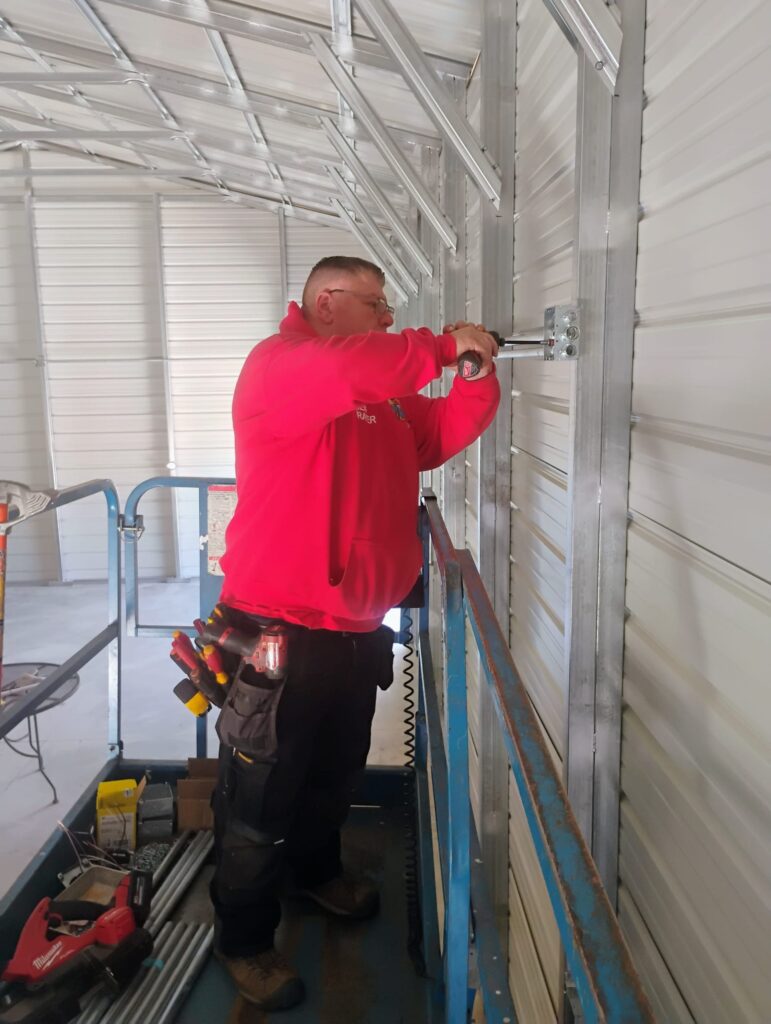
An electrical inspection is the perfect companion to any surge protection plan, because it reveals the condition of your entire system. The inspection checks your panel, your wiring, your outlets, and your grounding for anything that could compromise your protection. Hidden faults that would otherwise undermine a surge device get identified and corrected before they cause trouble. This step is especially valuable in older homes where decades of wear may have weakened key connections. Knowing the true state of your system lets you build protection on a solid foundation. Want a full picture of your home’s electrical health? Click here for our electrical inspection service.
The findings from an inspection often guide the smartest protection choices. If the inspection reveals an overloaded or outdated panel, addressing that first makes every other upgrade more effective. If the grounding needs attention, fixing it ensures your new surge protector can actually divert energy safely. The inspection turns guesswork into a clear plan tailored to your home. Instead of buying random devices and hoping for the best, you act on real information. This targeted approach saves money and delivers stronger results.
An inspection also brings safety benefits that reach far beyond surge protection. Frayed wiring, overheated breakers, and faulty outlets are leading causes of electrical fires, and summer heat makes them more dangerous. Catching these hazards early protects your family as much as your electronics. The same visit that prepares you for storms also reduces your everyday risk. A home that passes a thorough inspection is a home you can trust through the heat. Pairing inspection with protection gives you the most complete defense available.
Why Choose Frayer Electric for Surge Protection
Frayer Electric is locally owned and operated, serving Patterson and the surrounding Central Valley communities with honest, dependable service. We are licensed and insured, and we approach every job with the integrity our neighbors have come to expect. Our team provides straightforward quotes with no hidden fees, so you always know what to expect before any work begins. We are committed to getting it done right every time, because your safety and satisfaction are what keep our reputation strong. From a single outlet to a whole home surge system, we treat your project with the same care we would give our own home.
We understand the unique demands that Central Valley summers place on local electrical systems. Our experience with this region’s storms, heat, and grid behavior helps us recommend protection that actually fits your situation. We also offer discounts for veterans, seniors, and first responders as a way of giving back to the community we serve. When an emergency strikes, our 24/7 service means help is only a phone call away. You can reach us any hour at (209) 961-3867 when a problem cannot wait. Reliable support like this is the difference a local electrician makes.
Choosing Frayer Electric means choosing a partner who stands behind the work long after the job is done. We take pride in clear communication, clean workmanship, and protection systems built to last through many summers to come. Our goal is to leave every home safer and every customer confident in the electrical system they depend on. If a storm ever does cause trouble, our emergency electrician service is ready to respond fast. Reach out today to protect your electronics before the next summer surge arrives. Let us help you enjoy the season with one less thing to worry about.