How a Portable Generator Keeps Your Home Running
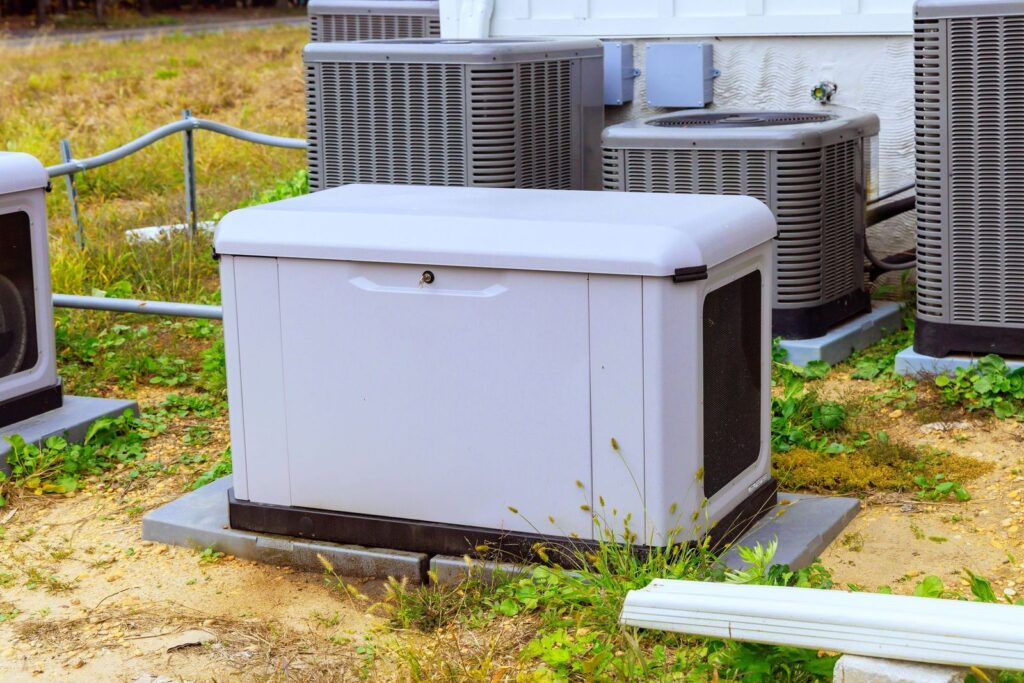
Summer in the Central Valley brings triple digit heat, and it also brings power outages. Public Safety Power Shutoffs, rolling blackouts, and overloaded grids can leave Patterson homes without electricity for hours or even days. A portable generator gives you a backup power source that keeps your refrigerator cold, your fans spinning, and your phones charged. Unlike a permanently installed standby system, a portable generator costs less upfront and can move with you if needed. The key is setting it up safely and connecting it correctly to your home. Many homeowners buy a generator but never learn how to use it the right way. This guide explains how a portable generator keeps your home running and what you need to know before the next outage hits. Need help getting your generator ready? Click here for our portable generator service.
What a Portable Generator Can Power During an Outage
A portable generator produces a limited amount of electricity, so knowing what it can handle matters. Most portable units range from 3,000 to 12,000 watts, which is enough for essentials but not your entire home. Your refrigerator, a few lights, a window air conditioner, and small electronics fit within that budget on most midsize units. Central air conditioning, electric water heaters, and electric ranges usually demand more power than a portable generator can supply. Overloading a generator trips its breaker at best; at worst, it damages the generator and your appliances. Smart planning before an outage means you already know which circuits get power and which wait. A licensed electrician can calculate your load requirements and match them to the right generator size.
How a Portable Generator Powers Your Refrigerator and Kitchen Essentials
Your refrigerator is usually the first thing homeowners want a portable generator to power during a summer outage. A standard refrigerator draws around 700 watts while running, but it needs a surge of 2,000 watts or more when the compressor kicks on. That startup surge is why generator sizing matters so much for kitchen appliances. A freezer full of food can spoil in as little as 24 to 48 hours without power, and Central Valley heat speeds that timeline up considerably. Running your refrigerator on generator power a few hours at a time keeps food safe without burning through fuel. Microwaves, coffee makers, and toasters can also run on a portable generator, though not all at once. Each appliance you add pushes the total load closer to the generator’s limit. Write down the wattage of your kitchen essentials so you know exactly what your generator can handle before you need it.
Fuel efficiency plays a big role in how long a portable generator keeps your kitchen running. A typical 5,000 watt generator burns through roughly 12 to 20 gallons of gasoline per day at half load. Cycling the refrigerator on and off saves fuel because the insulation keeps food cold for several hours between runs. Keep the refrigerator door closed as much as possible during an outage to extend that window. Many homeowners run the generator for two hours, then shut it down for two or three hours, repeating that cycle through the day. This approach can stretch a single tank of fuel across a multi-day outage. Chest freezers hold temperature even longer, sometimes up to 48 hours if left unopened. Planning your fuel supply ahead of time keeps the whole system working when gas stations lose power too.
Inverter generators deserve a mention for anyone powering sensitive kitchen electronics. Standard portable generators produce electricity with fluctuations that can harm devices with circuit boards, and that includes modern refrigerators with electronic controls. Inverter models produce cleaner power that protects those components. They also run quieter and adjust engine speed to match the load, which saves fuel. The tradeoff is a higher price per watt of output. If your refrigerator is a newer model with a digital display and smart features, cleaner power is worth the investment. Pairing your generator setup with surge protection adds another layer of defense for your appliances. Click here to learn about our whole house surge protection service.
How a Portable Generator Keeps Cooling and Fans Running in Summer Heat
Patterson summers regularly climb past 100 degrees, and losing power during a heat wave is more than an inconvenience. Heat related illness becomes a real risk for seniors, young children, and anyone with health conditions. A portable generator can run window air conditioning units, box fans, and evaporative coolers to keep at least one room livable. A typical window AC unit draws 500 to 1,500 watts depending on its size, which fits comfortably within most midsize generator budgets. Box fans use only 50 to 100 watts each, so you can run several without straining the system. Cooling one designated room is far more efficient than trying to cool the whole house. Close doors and blinds in that room to hold the cool air in. This strategy keeps your family safe through even extended summer outages.
Central air conditioning is a different story, and homeowners need honest information here. A central AC system typically requires 3,500 to 5,000 running watts plus a startup surge that can double that number. Most portable generators simply cannot handle that demand. Attempting to run central air on an undersized generator will trip breakers and can damage the compressor, which is the most expensive component in your system. Soft start devices can reduce the surge demand and make central AC possible on larger portable units in some cases. An electrician can evaluate your system and tell you if that option makes sense. For most households, window units and fans remain the practical choice during outages. Knowing this before summer prevents frustration when the power goes out.
Timing your cooling load around other appliances keeps the generator running smoothly. Run the window AC while the refrigerator compressor is off, then alternate as needed. Overnight hours are a good time to prioritize cooling since temperatures drop and the refrigerator can coast on residual cold. Evaporative coolers work well in the dry Central Valley climate and draw far less power than refrigerated air. Ceiling fans that survive on generator power also help air circulate and make rooms feel several degrees cooler. Every watt you save on cooling is a watt available for other essentials. A load management plan sounds technical, but it really just means deciding what runs when. An electrician can help you build that plan around your specific generator and household needs.
How a Portable Generator Supports Medical Equipment and Home Electronics
For households with medical equipment, a portable generator can be genuinely lifesaving. CPAP machines, oxygen concentrators, home dialysis equipment, and powered mobility devices all depend on steady electricity. An oxygen concentrator typically draws 300 to 600 watts, and a CPAP machine uses under 100 watts. These loads are small, but they are also the ones you absolutely cannot lose. Anyone relying on medical equipment should size their generator with those devices as the top priority. Battery backup units paired with a generator create a seamless bridge so equipment never shuts off during refueling. PG&E offers a Medical Baseline Program that provides advance notice of shutoffs, which gives you time to prepare. Talk to your electrician about a setup that protects the equipment your family depends on.
Home electronics round out the list of what a portable generator keeps alive during an outage. Wifi routers and modems draw only 10 to 30 watts, and keeping them powered means you stay connected for news, work, and emergency alerts. Laptop and phone chargers add just a few watts each. Televisions range from 50 to 200 watts depending on size and type. Security systems and cameras also deserve a spot on your priority list since outages can attract opportunistic crime. A garage door opener uses about 500 watts momentarily, which matters if your car is trapped inside during an evacuation. None of these loads is large on its own. Together they make an outage feel manageable instead of miserable.
Clean, stable power protects the electronics you connect to your generator. Voltage fluctuations from an overloaded or poorly maintained generator can destroy computers, TVs, and smart home devices. Never run sensitive electronics on a generator that is also straining under heavy appliance loads. Plug electronics into a quality surge protector even when running on generator power. Inverter generators are the safest choice for anything with a circuit board. Keep the generator well maintained with fresh fuel, clean filters, and regular oil changes so it produces consistent output. A generator that sits untouched for a year often fails right when you need it. Annual service before summer ensures your backup power is actually ready to back you up.
Safe Portable Generator Connection and Operation for Your Home
How you connect a portable generator matters as much as what it powers. Running extension cords from the generator to individual appliances works for small setups, but it is clumsy and limits what you can power. A transfer switch installed by a licensed electrician lets your generator feed selected circuits through your existing wiring. This means hardwired items like ceiling fans, well pumps, and built-in lighting can run on generator power. Never plug a generator directly into a wall outlet, a practice called backfeeding that can kill utility workers and destroy your electrical system. Carbon monoxide is the other major danger; generators must always run outdoors, far from windows and doors. Safe setup is not complicated, but it does require doing things the right way. A professional installation removes the guesswork entirely.
Why a Transfer Switch Makes Portable Generator Connection Safe and Simple
A transfer switch is the single best upgrade for any portable generator owner. This device installs next to your electrical panel and creates a safe, code compliant connection point for your generator. When the power goes out, you plug the generator into an exterior inlet box, start it up, and flip the transfer switch. Selected circuits in your home immediately receive generator power through your normal wiring. No extension cords snake through windows or doorways. Your hardwired appliances, lights, and outlets work exactly as they normally do. The switch physically isolates your home from the utility grid, which eliminates any chance of dangerous backfeed. This is the connection method every licensed electrician recommends for portable generator use.
Manual transfer switches come in several configurations to match different needs and budgets. A basic six circuit switch covers essentials like the refrigerator, a few lighting circuits, and the furnace fan. Ten circuit models add room for a window AC circuit, the garage door, and home office equipment. Interlock kits offer a lower cost alternative that lets your main panel safely accept generator input through a mechanical sliding plate. Each option has code requirements that vary by jurisdiction, and Stanislaus County inspectors check these installations closely. Sizing the switch to your generator’s output prevents overload problems down the road. An electrician evaluates your panel, your generator, and your priority circuits before recommending the right hardware. Installation typically takes half a day and pays off every single time the power fails.
Professional installation of a transfer switch is not a place to cut corners. The work involves opening your main electrical panel, which carries serious shock and arc flash hazards for anyone without training. Incorrect wiring can energize circuits you think are dead, damage your panel, or void your homeowners insurance after a fire. Permits are required for transfer switch installation in California, and unpermitted work creates problems when you sell your home. A licensed electrician pulls the permit, performs the installation to code, and coordinates the inspection. You get documentation proving the work was done right. Frayer Electric handles transfer switch installations throughout Patterson and the surrounding Central Valley. Have questions about your electrical panel’s readiness? Click here for our electrical panel upgrade service.

Portable Generator Placement and Carbon Monoxide Safety Rules
Generator placement is a life safety issue, and the rules are not optional. Portable generators produce carbon monoxide, an odorless and invisible gas that kills hundreds of Americans every year. The CDC reports that generator related carbon monoxide poisoning spikes after storms and outages when people run units in garages, carports, and enclosed patios. Never run a generator indoors, in a garage, or in any enclosed or partially enclosed space, even with doors open. Position the unit at least 20 feet from your home with the exhaust pointing away from windows, doors, and vents. Neighboring homes deserve the same consideration since exhaust drifts. Install battery powered carbon monoxide detectors on every level of your home. These simple steps prevent a backup power source from becoming a deadly hazard.
Weather protection matters because generators and moisture do not mix. Operating a generator in rain or on wet ground creates electrocution risk for anyone who touches it. Purpose built generator tents and canopies allow safe operation in bad weather while maintaining airflow for cooling and exhaust. Never improvise with tarps draped directly over a running unit; trapped heat and exhaust create fire and carbon monoxide dangers. Place the generator on a dry, level surface like a concrete pad or pavers. Summer in Patterson rarely brings rain, but dust is its own enemy and clogs air filters quickly. Check and clean the air filter regularly during extended use. A stable, clean, dry operating spot extends generator life and keeps everyone around it safe.
Fuel handling deserves the same care as placement. Gasoline vapors are heavier than air and can travel to ignition sources, so refuel only when the generator is off and cool. A hot muffler can ignite spilled fuel instantly. Store gasoline in approved containers away from living spaces, and never store more than local fire codes allow. Stale fuel is the number one cause of generators failing to start, so use fuel stabilizer and rotate your supply every few months. Propane powered portable generators sidestep the stale fuel problem since propane stores indefinitely. During a regional outage, gas stations without power cannot pump fuel, so keep enough on hand for at least two or three days of cycled operation. Smart fuel habits keep your generator ready and your property safe.
Portable Generator Grounding and Electrical Code Requirements
Grounding requirements confuse many portable generator owners, and getting them wrong creates shock hazards. Most modern portable generators use a bonded neutral design where the frame serves as the grounding point for cord connected appliances. In that configuration, driving a separate ground rod is usually unnecessary for basic extension cord use. The situation changes when you connect the generator to your home through a transfer switch. The National Electrical Code has specific rules about neutral bonding and grounding that depend on your transfer switch type. A floating neutral generator paired with the wrong switch configuration can leave circuits unprotected. This is technical territory where a licensed electrician earns their fee. Correct grounding ensures breakers and GFCI protection actually work when a fault occurs.
GFCI protection is built into the outlets on most newer portable generators, and it exists for good reason. Ground fault circuit interrupters cut power in milliseconds when electricity leaks along an unintended path, like through a person. Generators used outdoors around moisture make this protection essential. Test the GFCI buttons on your generator before each season of use. If your generator lacks GFCI outlets, use GFCI protected extension cords rated for outdoor duty. Cord gauge matters too; undersized cords overheat and cause voltage drop that harms appliances. Use 12 gauge or heavier cords for any significant load, and keep runs as short as practical. Damaged or frayed cords should be replaced immediately, never taped and reused.
California code and local requirements shape how generators integrate with home electrical systems. Permits are mandatory for transfer switch and inlet box installations throughout Stanislaus County and surrounding areas. Inspections verify that the interlock or switch truly prevents backfeeding to the grid. Utility workers restoring power after an outage depend on that protection; backfed lines have injured and killed linemen. Insurance companies can also deny fire claims traced to unpermitted electrical work. A licensed electrician handles the permit process and delivers a compliant installation. Compliance protects your family, your investment, and the workers keeping the grid running. Click here for our electrical inspection service if you want your current setup evaluated.
Why You Need Professional Portable Generator Service Before the Next Outage
Summer outages in the Central Valley are a question of when, not if. Heat waves strain the grid, and wildfire season brings Public Safety Power Shutoffs with little warning. A portable generator only helps if it starts, runs safely, and connects to your home correctly. Professional service covers all three, from annual maintenance to transfer switch installation. Waiting until the lights go out means waiting in line behind every other unprepared homeowner. Get your backup power plan in place now, while the power is still on.
Professional Portable Generator Service Prevents Failures When You Need Power Most
Generators fail from neglect far more often than from defects. Fuel degrades, carburetors gum up, batteries drain, and oil breaks down while the unit sits in the garage. A generator that ran fine last summer may refuse to start this July. Professional service includes fuel system cleaning, oil and filter changes, spark plug inspection, and a full load test. Technicians catch worn components before they strand you during an outage. Annual service before summer is the cheapest insurance a generator owner can buy.
Load testing is the part of service most homeowners skip, and it is the most revealing. A generator can idle perfectly yet collapse under real appliance loads. Testing under load exposes voltage regulation problems, weak output, and overheating issues. It also verifies that the outlets, breakers, and GFCI protection all function correctly. Discovering these problems in a driveway on a Tuesday beats discovering them at midnight during a blackout. Professional testing gives you real confidence in your backup power.
Service visits also catch safety issues owners overlook. Damaged cords, corroded connections, and clogged exhaust screens all create hazards during operation. A technician checks the full path from generator to home connection point. They verify your transfer switch or interlock still operates smoothly and locks out properly. Small corrections during a service call prevent big failures during an emergency. That peace of mind is exactly what backup power is supposed to provide.

Portable Generator Service Pairs With Emergency Electrical Support
Outages sometimes reveal bigger electrical problems in your home. Power surges when the grid comes back can damage panels, breakers, and appliances. A flickering circuit or a burning smell after restoration needs immediate professional attention. Frayer Electric offers 24/7 emergency service throughout Patterson and the Central Valley. One call connects you with a licensed electrician any hour of the day. Click here for our emergency electrician service when something goes wrong.
Generator problems during an actual outage also qualify as emergencies. A transfer switch that will not engage or an inlet box that sparks needs expert hands, not guesswork. Attempting panel work yourself in the dark multiplies the danger. Emergency electricians carry the tools and parts to restore safe backup power on the spot. They can also diagnose why the generator setup failed and correct the root cause. Fast professional response turns a crisis back into a manageable inconvenience.
Preparedness and emergency response work best as a package. Homes with serviced generators and professionally installed transfer switches rarely need midnight rescue calls. When they do, the electrician who installed the system already knows the setup. That familiarity speeds up every repair. Building a relationship with a local electrical contractor before trouble hits pays off during every outage after. Frayer Electric serves as that partner for homeowners across the region.
Why Choose Frayer Electric for Portable Generator Service in Patterson
Frayer Electric is locally owned and operated right here in Patterson at 432 Peregrine Dr. We know Central Valley summers, PG&E shutoff patterns, and the local codes that govern generator installations. Our team is licensed and insured, so every job is backed by real accountability. We serve Patterson plus surrounding communities from Modesto to Tracy to Merced. Local roots mean fast response times when outages hit. You are hiring neighbors, not a distant call center.
Our quotes are straightforward with no hidden fees, ever. You will know the full cost of your generator service, transfer switch installation, or panel work before we start. We offer discounts for veterans, seniors, and first responders because those groups have earned our respect. Integrity guides every estimate and every job. No upselling, no surprise line items, no games. That is how a local business keeps customers for life.
We are committed to getting it done right every time, and backup power is no place for shortcuts. Our electricians install transfer switches to code, pull the proper permits, and stand behind the work. We also provide 24/7 emergency service when outages create urgent problems. Call us at (209) 961-3867 or email info@frayerelectricinc.com to schedule your generator service. Get your home ready before the next Central Valley heat wave knocks the power out. Frayer Electric keeps Patterson running.