EV Charging at Home: What Homeowners Should Know
The decision to purchase an electric vehicle is an exciting step into the future of transportation. The experience of driving an EV is a revelation—the silent, smooth acceleration, the responsive handling, and the satisfying feeling of driving past gas stations without a second thought. This freedom from the pump, however, introduces a new routine into a driver’s life: refueling at home. For a first-time EV owner, the world of home charging, with its different levels, plugs, and electrical requirements, can seem confusing and a bit intimidating.
While it is true that you can charge an electric vehicle using a standard wall outlet, this is not a practical long-term solution for most drivers. To truly unlock the remarkable convenience, speed, and cost-effectiveness of EV ownership, the single most important investment you can make is a professionally installed, dedicated home charging station. Understanding the different types of home charging, the crucial safety and electrical requirements for your home, and the process of a professional installation is the key to creating a seamless and worry-free electric vehicle experience.
Understanding the Different Levels of Home Charging
When it comes to charging your EV at home, there are two primary options, referred to as Level 1 and Level 2. The difference between them is significant and has a profound impact on your daily routine.
Level 1 charging is the most basic method. It involves using the portable charging cord that typically comes with your vehicle and plugging it into any standard 120-volt household outlet. The main advantage of Level 1 charging is that it requires no special installation; you can do it anywhere you can find an outlet. The major disadvantage, however, is that it is extremely slow. A Level 1 charger generally adds only about three to five miles of driving range to your vehicle for every hour that it is plugged in. For a daily commuter, this is often not a sustainable solution. If you arrive home with a nearly depleted battery, it could take two or even three full days of continuous charging to bring it back to 100%. This makes Level 1 charging a good option for overnight charging of a plug-in hybrid with a small battery, for emergencies, or for an occasional top-up, but it is not a practical primary charging method for a fully electric vehicle.

Level 2 charging is the dedicated, high-speed solution that is the standard for home charging. A Level 2 charger, also known as Electric Vehicle Supply Equipment (EVSE), is a specialized charging station that operates on a 240-volt circuit. This is the same type of powerful circuit that is used for a large appliance like an electric clothes dryer, an oven, or a central air conditioner.
The increase in voltage allows for a massive and game-changing leap in charging speed. Depending on the amperage of the charger and your specific vehicle’s capabilities, a Level 2 charger can provide anywhere from 25 to 60 miles of range for every hour of charging. This means that even the longest-range EVs on the market can be fully charged from empty in just a matter of hours, typically overnight while you sleep. This is what makes the EV lifestyle so convenient. Your garage effectively becomes your personal fueling station. You simply arrive home from your day, plug in your vehicle, and wake up every single morning with a “full tank,” ready to go.
The Electrical Requirements for a Level 2 Charger
The significant power of a Level 2 charger means that it cannot be simply plugged into a standard wall outlet. It requires the professional installation of a new, dedicated 240-volt circuit that runs directly from your home’s main electrical panel to your garage or wherever you plan to charge your vehicle.
Level 2 chargers come in a variety of power levels, which are measured in amps, most commonly ranging from 30 amps to 50 amps. The amperage of the charger you choose will determine the size of the circuit that needs to be installed. For example, a 40-amp charger must be installed on a dedicated 50-amp circuit breaker with heavy-gauge wiring that is properly sized to handle the continuous load safely. A higher-amperage charger will provide faster charging speeds but requires a more robust and expensive circuit.
The first and most critical step in any Level 2 charger installation is a professional assessment of your home’s main electrical panel. A new, high-amperage 240-volt circuit places a significant new load on your home’s entire electrical system. A licensed electrician must first perform a load calculation on your panel to ensure that it has enough available capacity to handle the new EV charger in addition to all of your home’s other appliances. In many older homes in the Patterson area, which may have a 100-amp or 125-amp main service, a full electrical panel upgrade may be a necessary prerequisite to safely installing a Level 2 charger.
The Benefits of a Professionally Installed Home Charger
While a DIY approach to home projects can be rewarding, the installation of an EV charger circuit is a job that should only ever be performed by a qualified, licensed, and insured electrical contractor. The risks associated with a high-power, 240-volt installation are simply too great to leave to chance.
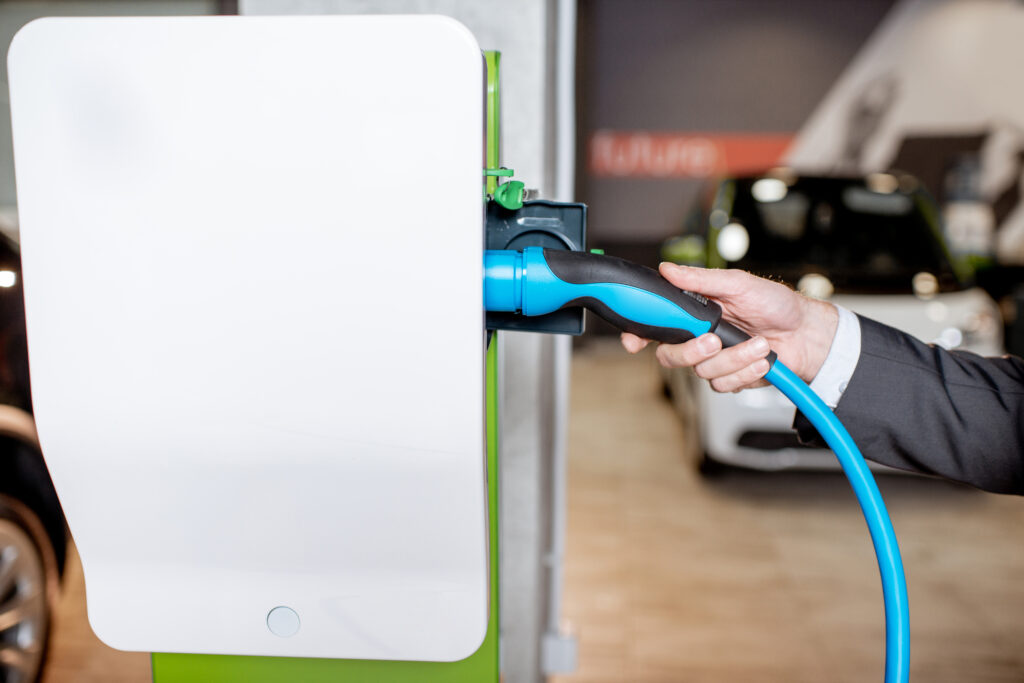
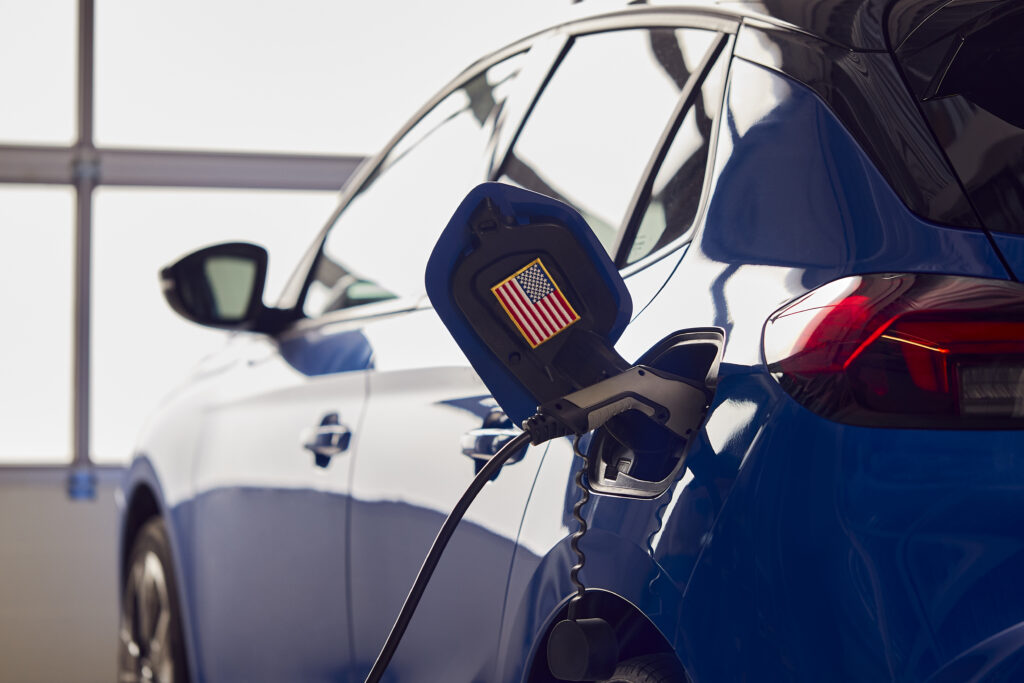
The most important benefit of a professional installation is safety. A licensed electrician from Frayer Electric will ensure that the new circuit is properly sized for your chosen charger, that the correct gauge of wire is used, that all connections are secure, and that the entire installation is fully compliant with all the safety standards of the National Electrical Code. This professional approach eliminates the serious fire risk that can be caused by an overloaded circuit or improper wiring.
A professional can also help you select the right charger for your specific vehicle and ensure it is installed to provide the maximum possible charging speed and performance. Furthermore, the installation of a new 240-volt circuit is a job that requires an electrical permit from your local Patterson or Stanislaus County building authority. A professional electrical contractor will handle this entire permitting and inspection process for you, ensuring that your installation is fully legal and has been approved for safety by a local inspector. This documentation can be crucial for your homeowner’s insurance and for the future resale of your home.
Smart Chargers and Other Considerations
The latest generation of Level 2 chargers offers more than just speed; they also offer intelligent control. Most modern charging stations are “smart” devices that can connect to your home’s Wi-Fi network. This allows you to use a dedicated smartphone app to manage your charging in a variety of powerful ways.
One of the biggest benefits of a smart charger is the ability to schedule your charging sessions. You can program your charger to only operate during specific off-peak hours, which is when many electric utility companies offer their lowest electricity rates. This can significantly reduce your cost to charge your vehicle. These apps also provide you with detailed data on your energy consumption, allowing you to track your charging costs with precision.
When planning your installation, it is also important to consider the best physical location for your charger within your garage. You should consider the location of your vehicle’s charge port when it is parked and the length of the charger’s cable to ensure that it is easy and convenient to plug in every day. Your electrician can help you determine the most practical and functional location.
The experience of owning an electric vehicle is a revolutionary one, and having a dedicated home charging station is the key that unlocks its full potential and convenience. The ability to wake up every morning to a fully charged vehicle, ready for any journey, is the true joy of the EV lifestyle. A professionally installed Level 2 charger provides the speed, safety, and smart control that makes this experience possible.
If you are a new or prospective electric vehicle owner in the Patterson or greater Central Valley area, we encourage you to make your home charging solution a top priority. Contact the licensed and insured experts at Frayer Electric for a professional consultation. We can assess your home’s electrical system and provide a safe, reliable, and fully code-compliant installation of the perfect charging station for your vehicle and your needs.