
Benefits of LED Lighting Upgrades for Your Home
Lighting is one of the most fundamental and impactful elements of your home. It affects the mood of your living spaces, your ability to perform daily tasks, and the overall ambiance of your environment. For the better part of a century, the technology behind our lighting was largely stagnant, dominated by the familiar but highly inefficient incandescent lightbulb. In recent years, however, a complete and total revolution has taken place with the widespread adoption of LED lighting.
An LED, or Light Emitting Diode, is not just a new type of bulb; it is a fundamentally different and vastly superior way to illuminate our homes. Making the switch from outdated lighting to modern LED technology is one of the simplest and most powerful upgrades a homeowner can make. The benefits are immediate and multifaceted, having a profound and positive impact on your monthly finances, the beauty and functionality of your home, and even your family’s safety.
Benefit #1: Incredible Energy Efficiency and Cost Savings
The most well-known and compelling benefit of upgrading to LED lighting is the dramatic and immediate reduction in your energy consumption. This incredible efficiency is not an incremental improvement; it is a revolutionary leap forward, and it stems from the fundamental difference in how LEDs produce light compared to their predecessors.
A traditional incandescent lightbulb is, in reality, a tiny electric heater that produces light as a secondary byproduct. It works by passing an electrical current through a thin wire filament, which heats up to the point of glowing. Up to 90% of the electricity consumed by an incandescent bulb is wasted as radiant heat, with only about 10% being converted into visible light. An LED, on the other hand, is a solid-state semiconductor device. It produces light directly when an electrical current passes through it, a process called electroluminescence, which generates very little wasted heat.

This difference in efficiency is staggering. A modern LED bulb uses at least 75% less energy than an equivalent incandescent bulb to produce the same amount of light, which is measured in lumens. This means that a 10-watt LED can produce the same amount of light as a 60-watt incandescent bulb.
This dramatic reduction in energy use translates directly into significant, measurable savings on your monthly utility bill. While the initial cost of an individual LED bulb is higher than an old incandescent bulb, its operating cost is a tiny fraction. A single LED bulb can save you a significant amount of money over its lifespan in electricity costs alone. When you multiply those savings across the dozens of light fixtures in your entire Patterson home, the cumulative effect is a substantial and noticeable reduction in your annual energy expenses. An LED lighting upgrade is an investment that often pays for itself in just a few short years.
Benefit #2: Exceptional Lifespan and Reduced Maintenance
The second major practical benefit of LED technology is its remarkable and unprecedented longevity. An upgrade to LED lighting virtually eliminates the familiar and annoying chore of constantly changing burned-out lightbulbs.
The lifespan of a lightbulb is measured in operational hours. A traditional incandescent bulb had an average lifespan of only about 1,000 to 2,000 hours. Compact fluorescent lamps, or CFLs, were an improvement, typically lasting around 8,000 to 10,000 hours. A quality, modern LED bulb, however, has an average rated lifespan of 25,000 to 50,000 hours or even more.
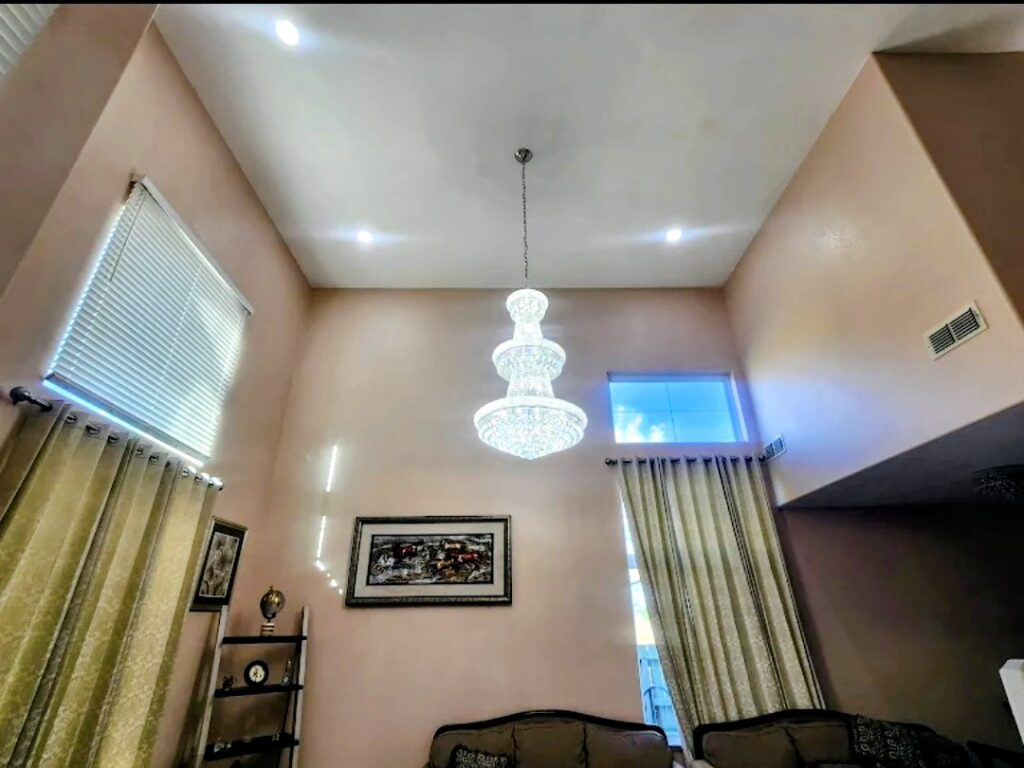
To put that number into perspective, a bulb that is used for an average of three hours per day and lasts for 25,000 hours will continue to work for over 22 years. This means you can install an LED bulb in a fixture and not have to think about replacing it for a decade or more. This is a huge convenience for any homeowner, but it is especially beneficial for those hard-to-reach fixtures in vaulted ceilings, high stairwells, or outdoor security lights, which often require a tall and precarious ladder to change. In addition to their long life, LEDs are also far more durable. They are solid-state devices and do not have the fragile wire filaments or delicate glass tubes of their predecessors, making them much more resistant to vibration and accidental bumps.
Benefit #3: Superior Light Quality and Design Flexibility
Upgrading to LEDs is not just a practical decision; it is also a design decision that gives you an incredible new level of control over the look and feel of your home. Modern LED technology has surpassed older lighting in every aspect of light quality.
One of the greatest advantages is the ability to choose the precise color temperature of your light, which is measured on the Kelvin (K) scale. This allows you to customize the ambiance of each room. For spaces where you want to create a warm, cozy, and relaxing atmosphere, such as in a bedroom or a living room, you can choose LEDs with a warm white color temperature of around 2700K, which perfectly mimics the classic glow of an incandescent bulb. For areas where you need a brighter, more energizing light, like in a kitchen, a bathroom, or a home office, you can choose a cool, crisp, natural daylight color temperature of 4000K to 5000K.
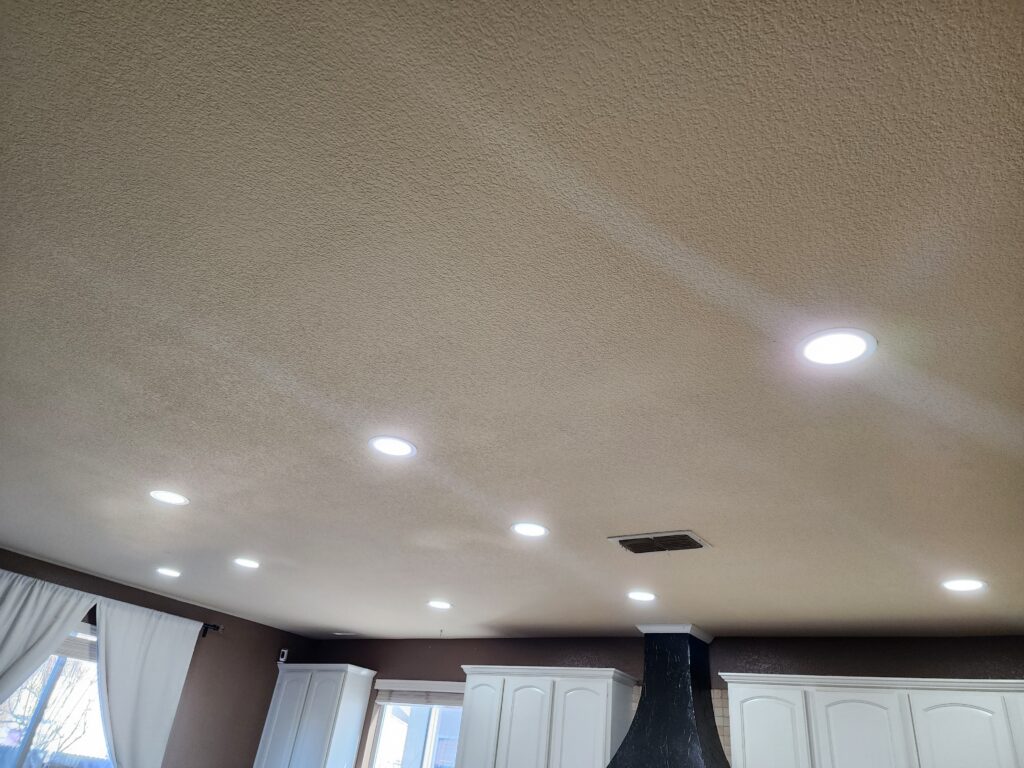
LEDs also offer a much higher Color Rendering Index, or CRI. This is a measure of how accurately a light source reveals the true and natural colors of the objects and people it illuminates. High-CRI LEDs make the colors in your home appear more vibrant and accurate, which is a huge benefit for tasks like preparing food in the kitchen or applying makeup in the bathroom. Most modern LEDs are also fully dimmable when they are paired with a compatible dimmer switch, and their compact size has allowed for the creation of a whole new world of ultra-slim and modern light fixtures, such as wafer-thin recessed lights and sleek under-cabinet lighting strips.
Benefit #4: Enhanced Safety and Environmental Friendliness
The switch to LED lighting also brings with it significant benefits for your family’s safety and for the environment.
The most important safety advantage is their cool operation. Because incandescent and halogen bulbs waste so much energy as heat, they get dangerously hot to the touch. This extreme heat can pose a fire risk, especially in enclosed or recessed light fixtures where the heat can build up. LEDs, on the other hand, produce very little heat and are cool to the touch even after hours of operation. This dramatically reduces the risk of a fire and makes them a much safer choice for any home.
LEDs are also a safer choice from a materials standpoint. Compact fluorescent (CFL) bulbs contain a small amount of toxic mercury vapor. If a CFL bulb breaks in your home, it requires a special and careful cleanup procedure to avoid exposure to this mercury. LED bulbs contain no mercury or any other hazardous materials, making them a safer and more worry-free option for a family home.
The environmental benefits of LEDs are twofold. Their incredible energy efficiency means they use far less electricity, which reduces the overall demand on our power plants and lowers your home’s carbon footprint. Their exceptionally long lifespan also means that they create significantly less waste. A single LED bulb that lasts for over 20 years prevents the 25 or more incandescent bulbs that it replaces from ending up in a landfill.
Making the Switch: From Simple Bulbs to Integrated Fixtures
Making the transition to LED lighting can be done in stages, or as part of a larger, comprehensive upgrade. The simplest and most immediate first step is to go through your home and replace all of your old incandescent and CFL bulbs in your standard lamps and light fixtures with new, energy-efficient LED equivalents.

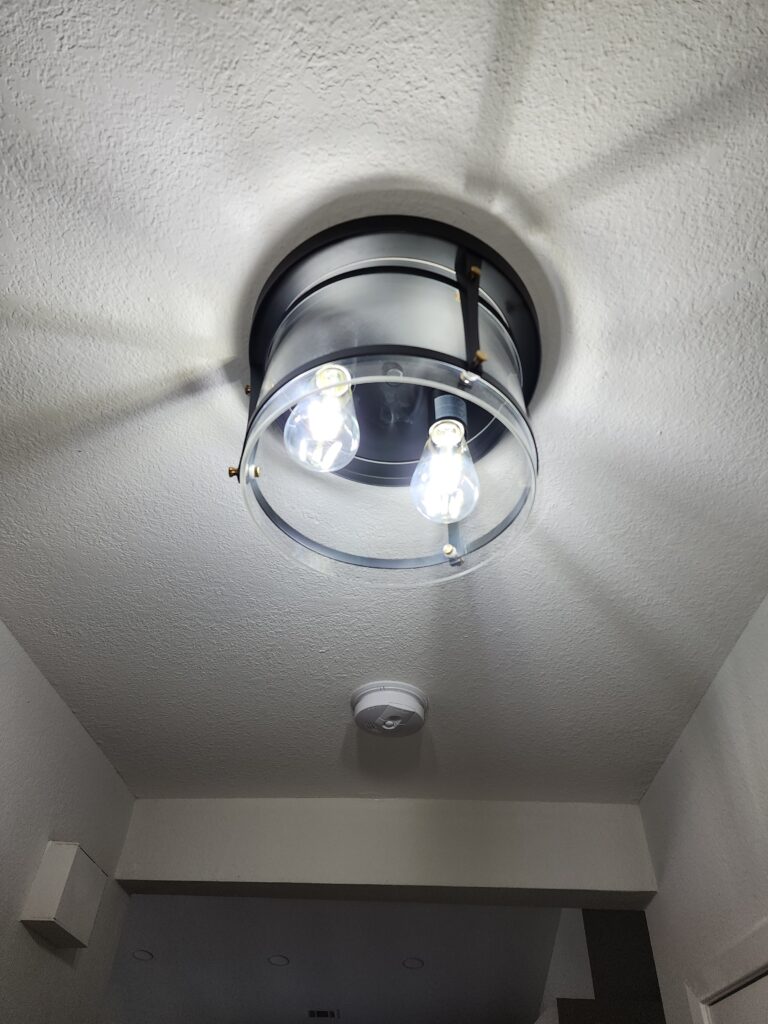
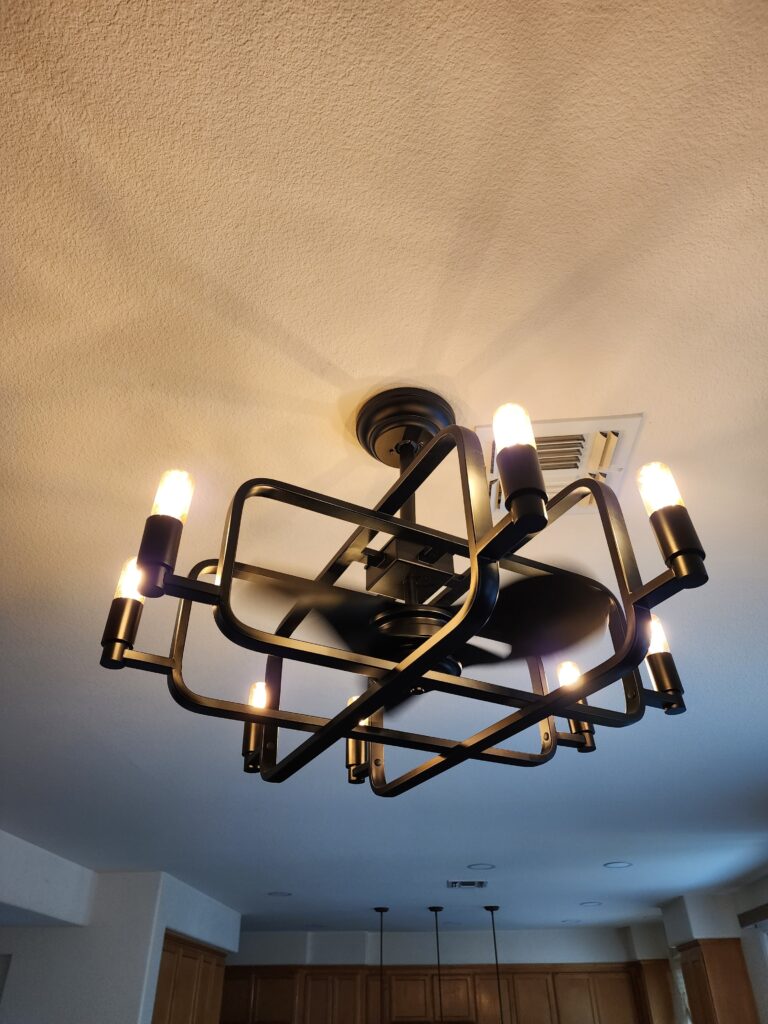
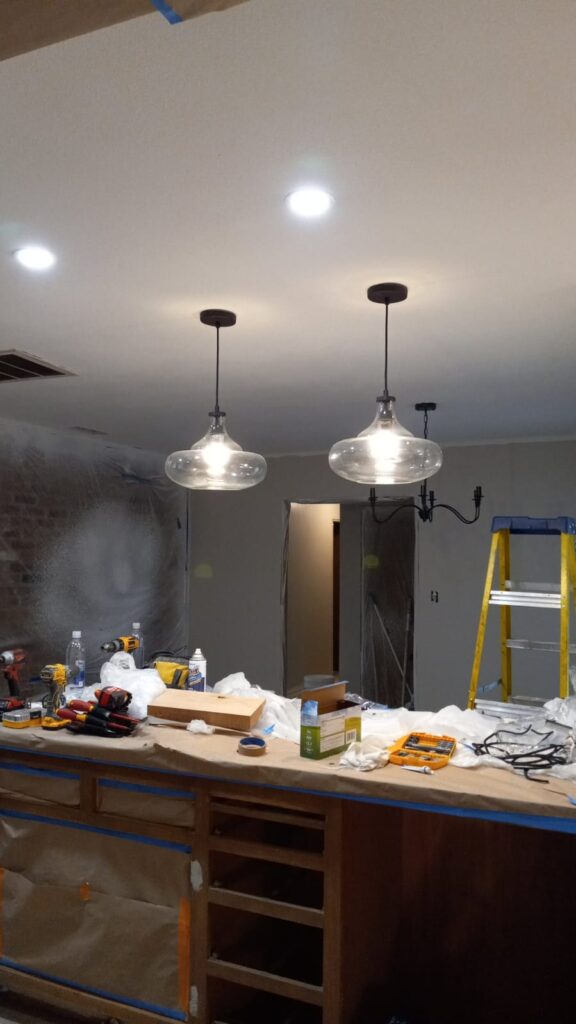
For more specialized fixtures, like the old recessed can lights found in many homes, you can use an LED retrofit kit. This is a convenient, all-in-one product that includes the LED light source and the trim, and it is designed to be easily installed into your existing can housing, providing an instant and dramatic upgrade in both appearance and efficiency.
To unlock the full potential of modern lighting, such as installing a new, layered lighting design with recessed lights, creating a beautiful ambiance with dimmer switches, or adding functional under-cabinet lighting in your kitchen, the expertise of a professional electrician is essential. A licensed electrician from Frayer Electric can ensure that any new dimmer switches are fully compatible with your new LED fixtures, that any new circuits are run safely and to code, and that all of your fixtures are installed securely and correctly.
The case for upgrading your home to LED lighting is overwhelming. It is a single home improvement project that delivers a powerful combination of benefits: dramatic savings on your energy bills, a virtually maintenance-free lifespan, a superior and more customizable quality of light, and enhanced safety for your family and the environment. It is one of the smartest and most impactful upgrades a homeowner can make, offering an incredible return on investment.
If you are ready to move beyond outdated, inefficient lighting, we encourage you to start your transition today. For homeowners in the Patterson and greater Central Valley area who are ready to take the next step with a comprehensive lighting upgrade, the installation of new dimmer switches, or a modern recessed lighting plan, the expert team at Frayer Electric is here to help. Contact us for a professional consultation to explore how we can transform your home with the power of modern lighting.